
Princess Karina Andronikof had the honor, both as a journalist and as the Rector of the Swiss Institute of Cultural Diplomacy, to attend a truly unique and meaningful event.
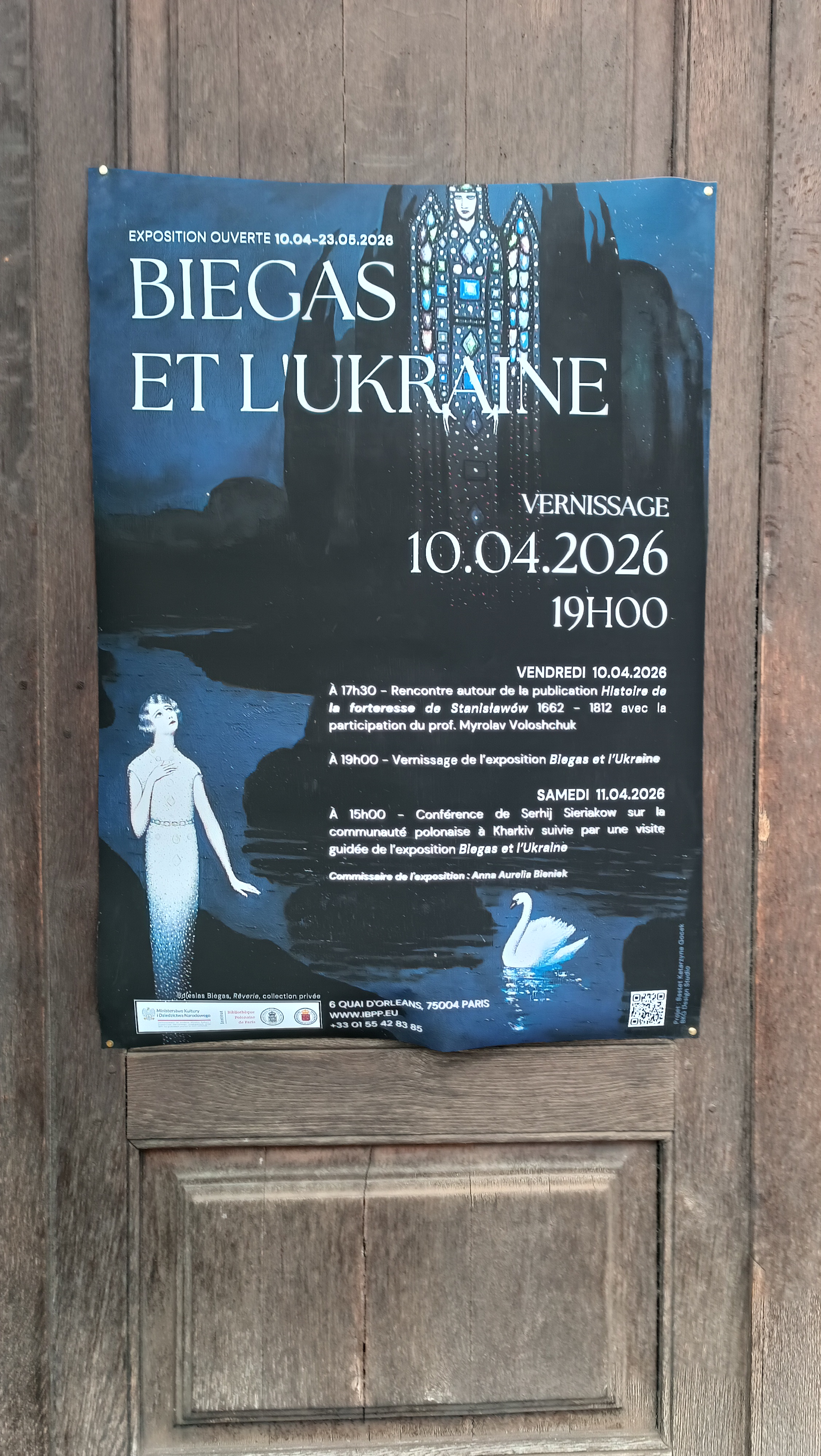
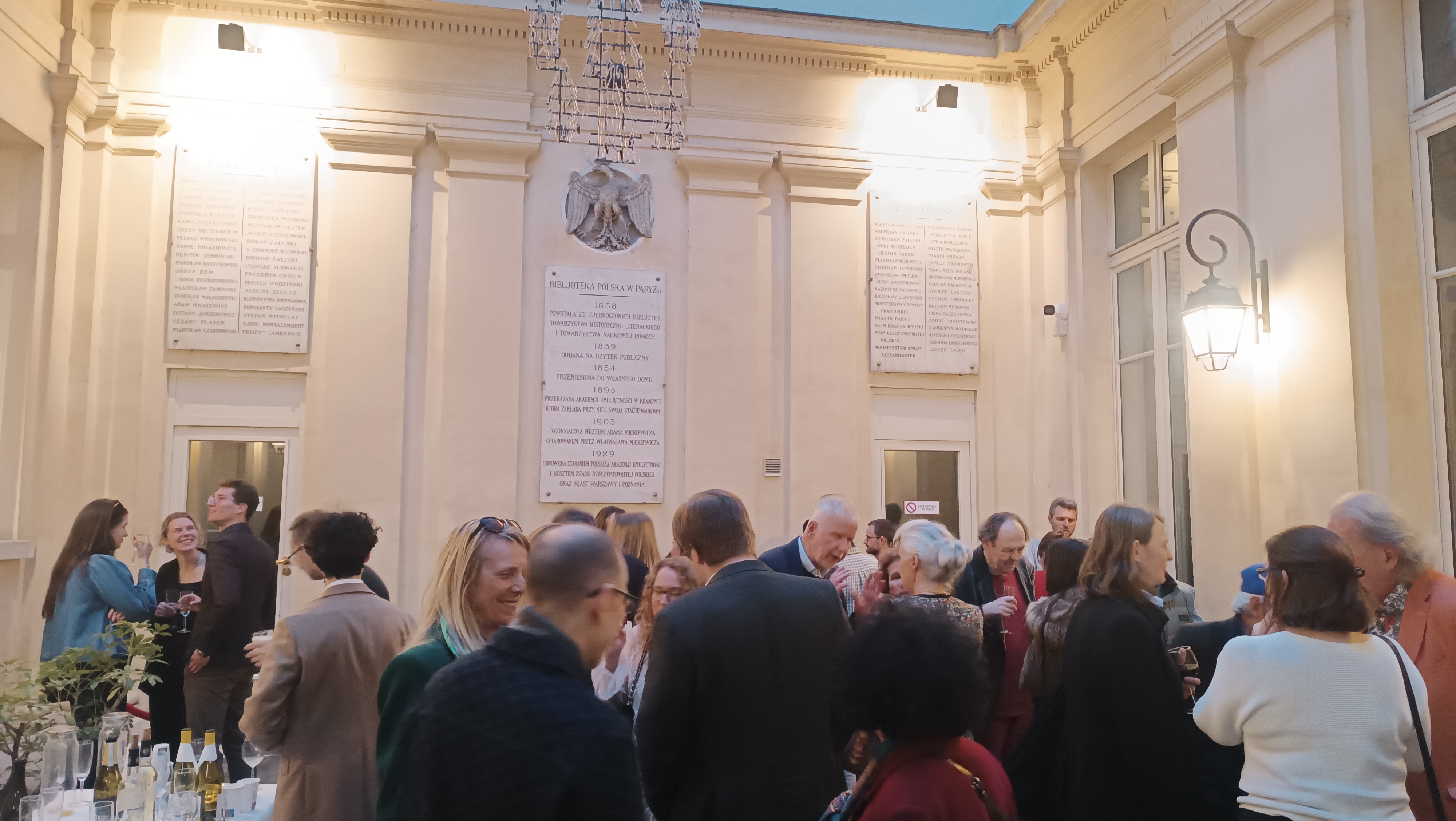
On April 10, 2026, at the Institute of Polish Library in Paris, I witnessed the presentation of the book by Czeslaw Chowaniec (1899–1968), “History of the Stanisławów Fortress (1662–1812).” The story behind this publication deeply moved me. Originally intended for release in 1939, the work was interrupted by World War II, which prevented the author from completing it and transferring his archive from Poland to France. Remarkably, these documents were preserved until 2015, when, thanks to the advice of colleagues from the Jagiellonian University, Professor Janusz Pezda, Dr. Vitali Nahirnyi, and Tomasz Skrzyński from the University of the National Education Commission in Kraków, Professor Myroslav Voloshchuk rediscovered them in the collections of the Polish Library in Paris.
I was particularly impressed by the dedication of the scholars who worked on the book between 2015 and 2018. Specialists from the Center for Medieval Studies of Vasyl Stefanyk Precarpathian National University in Ivano-Frankivsk, led by Professor Myroslav Voloshchuk, collaborated closely with the Center for Historical Studies in Warsaw under Professor Norbert Mika. Local historian Zenovii Fediunkiv also contributed significantly. The complexity of their work, dealing with fragmented sources such as manuscripts, maps, photographs, newspaper clippings, and personal correspondence, speaks volumes about their commitment to preserving history.
With the support of the Center for Polish Culture and European Dialogue, headed by Maria Osidacz, the book was published in 2018 by the publishing house “LADEX,” marking the 50th anniversary of the author’s death. I learned that for Ivano-Frankivsk, this publication became a major cultural event, bringing back to life nearly lost historical materials gathered from cities including Stanisławów, Lviv, Kraków, Wrocław, Warsaw, Dresden, Vienna, and Paris.
From my perspective, this international collaboration is a powerful example of cultural diplomacy in action. The joint efforts of Polish, Ukrainian, and French institutions clearly demonstrate how preserving shared heritage fosters dialogue, mutual respect, and stronger connections between nations. Even today, Chowaniec’s work stands as a valuable foundation for further research and a compelling symbol of how history can unite countries through cultural and academic cooperation.

Kategorier:Okategoriserade


