
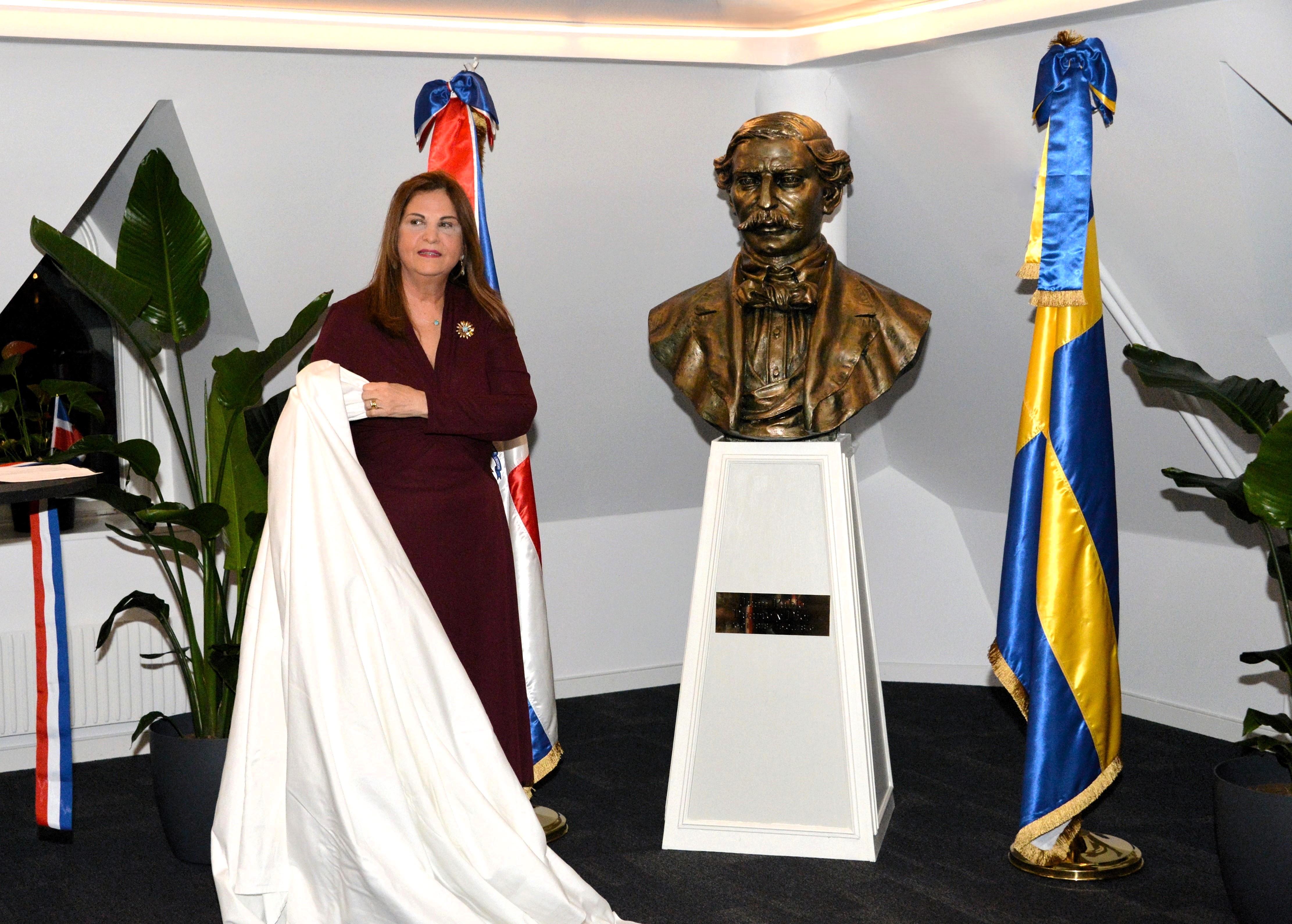
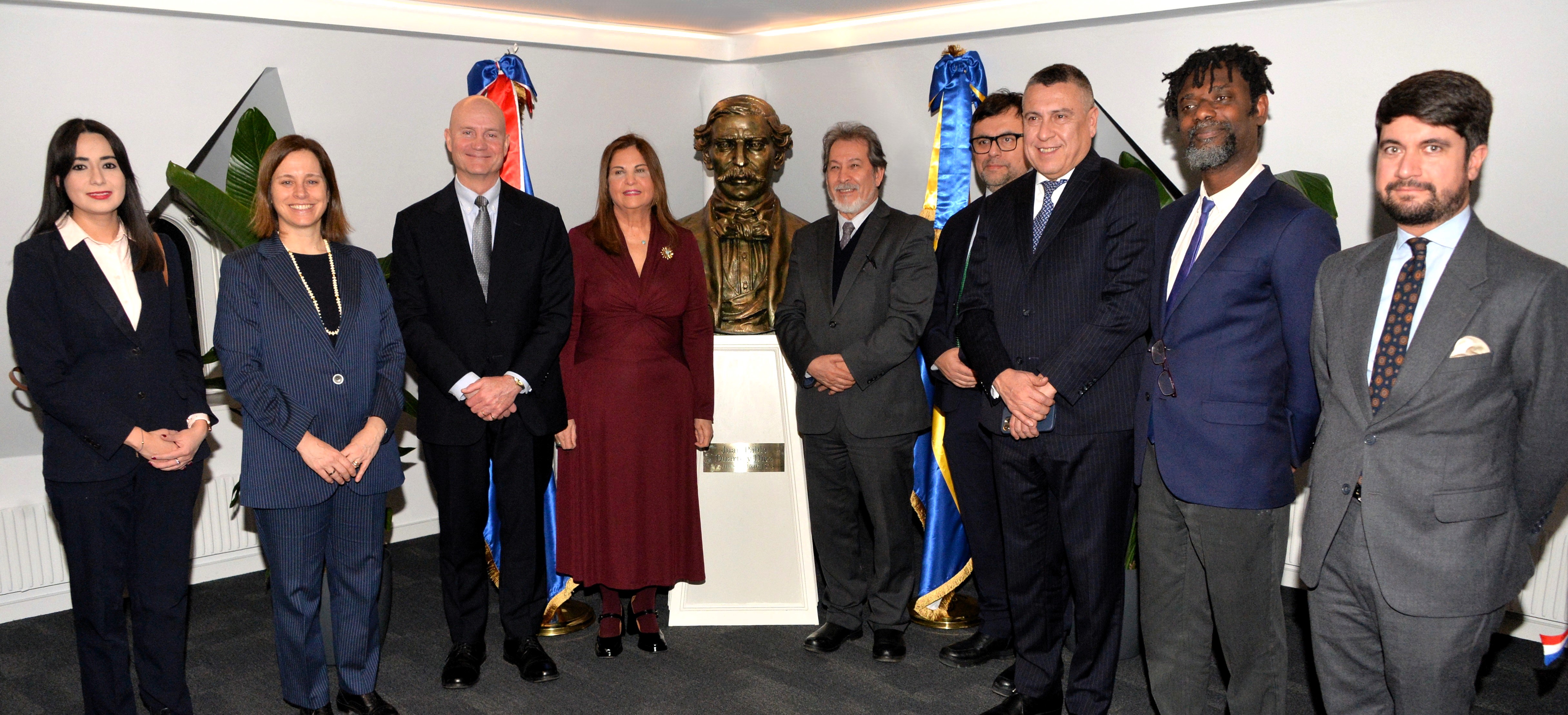
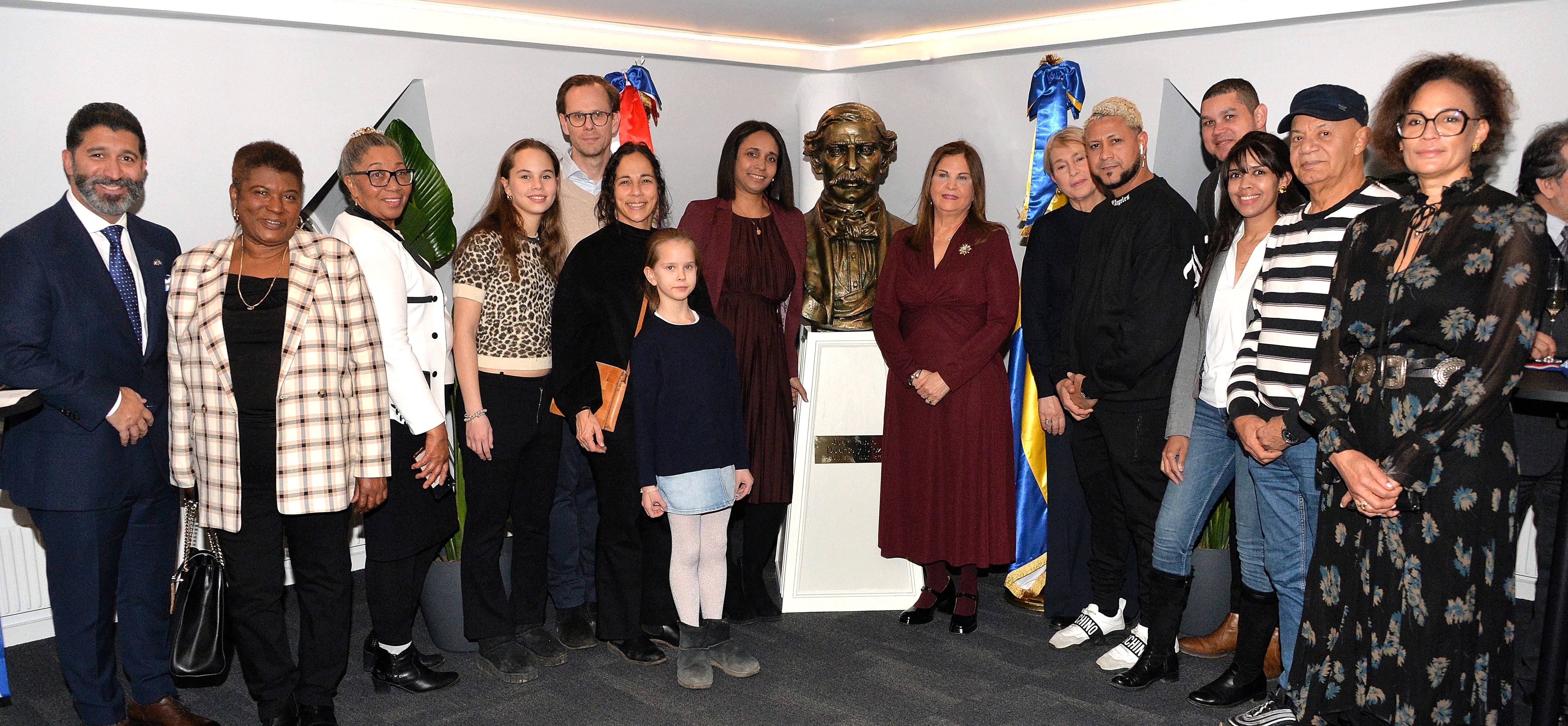
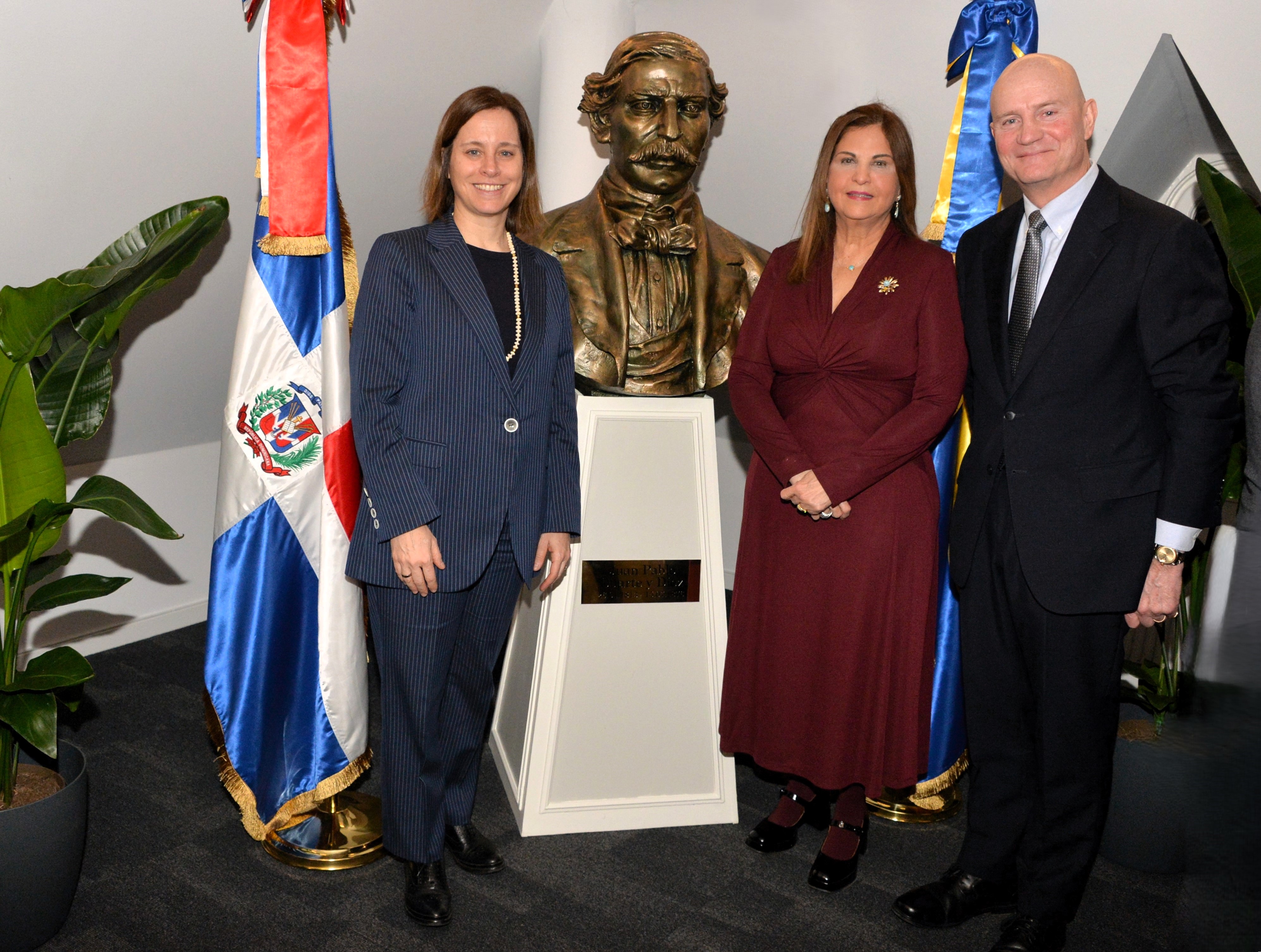
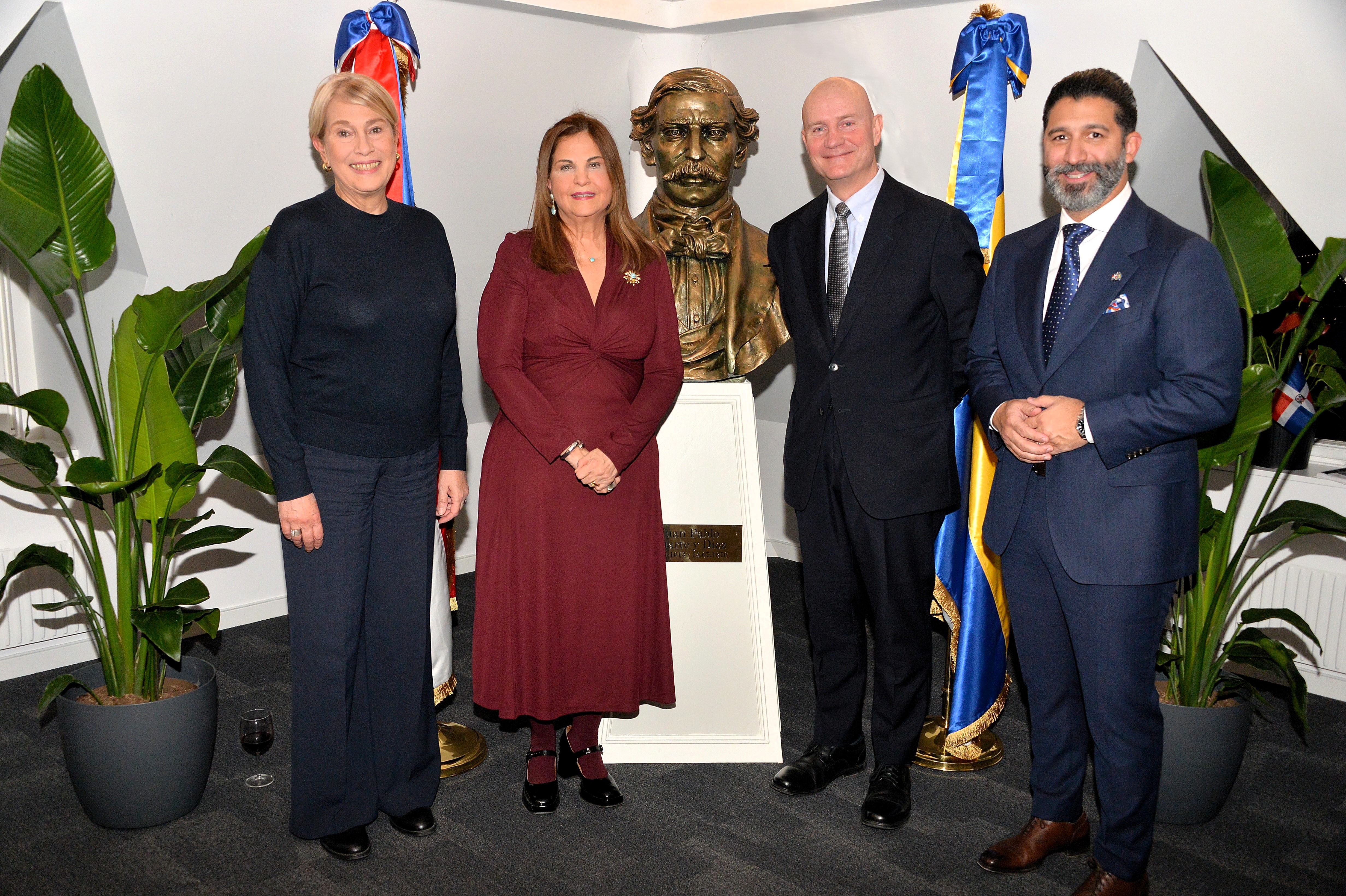
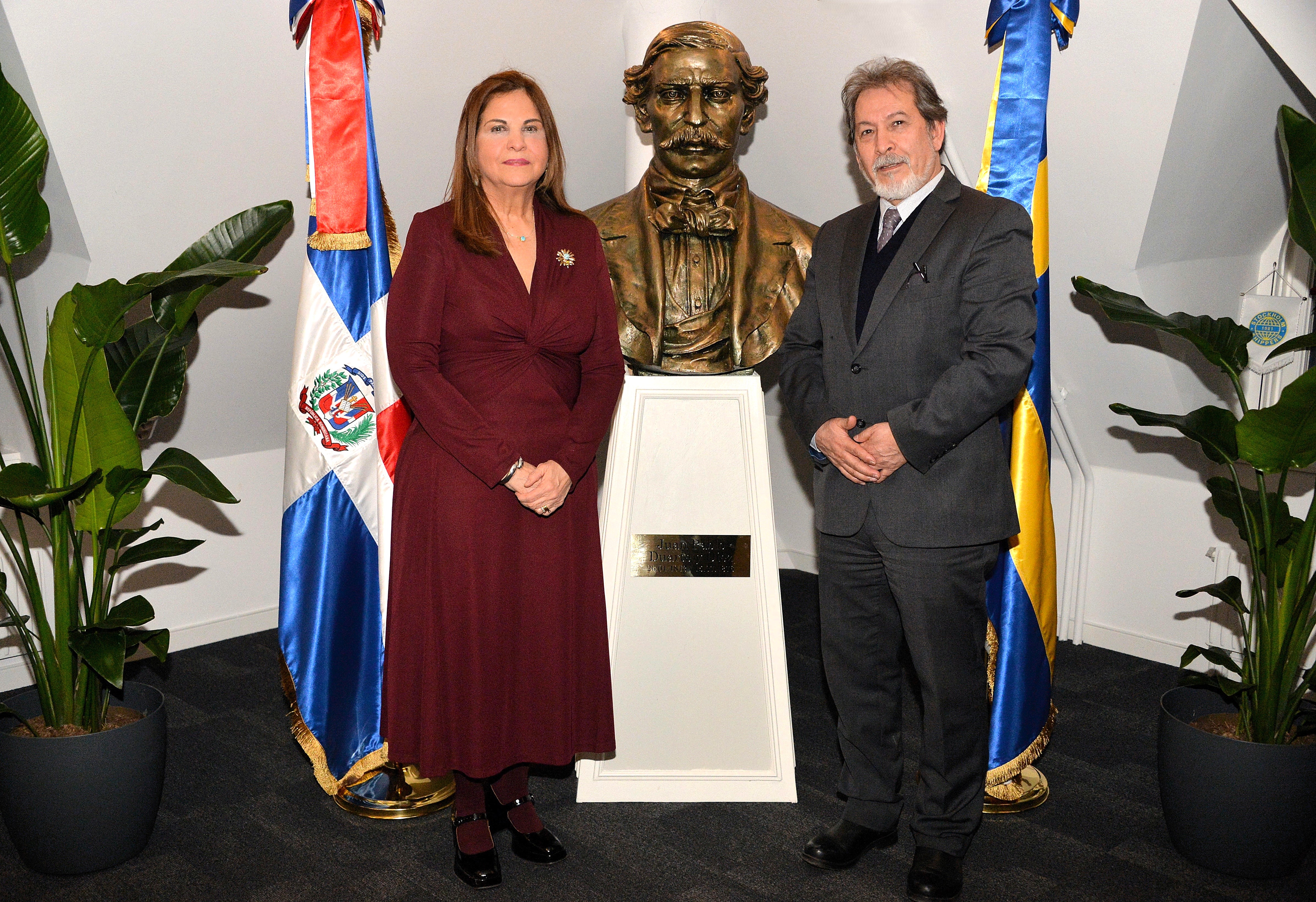
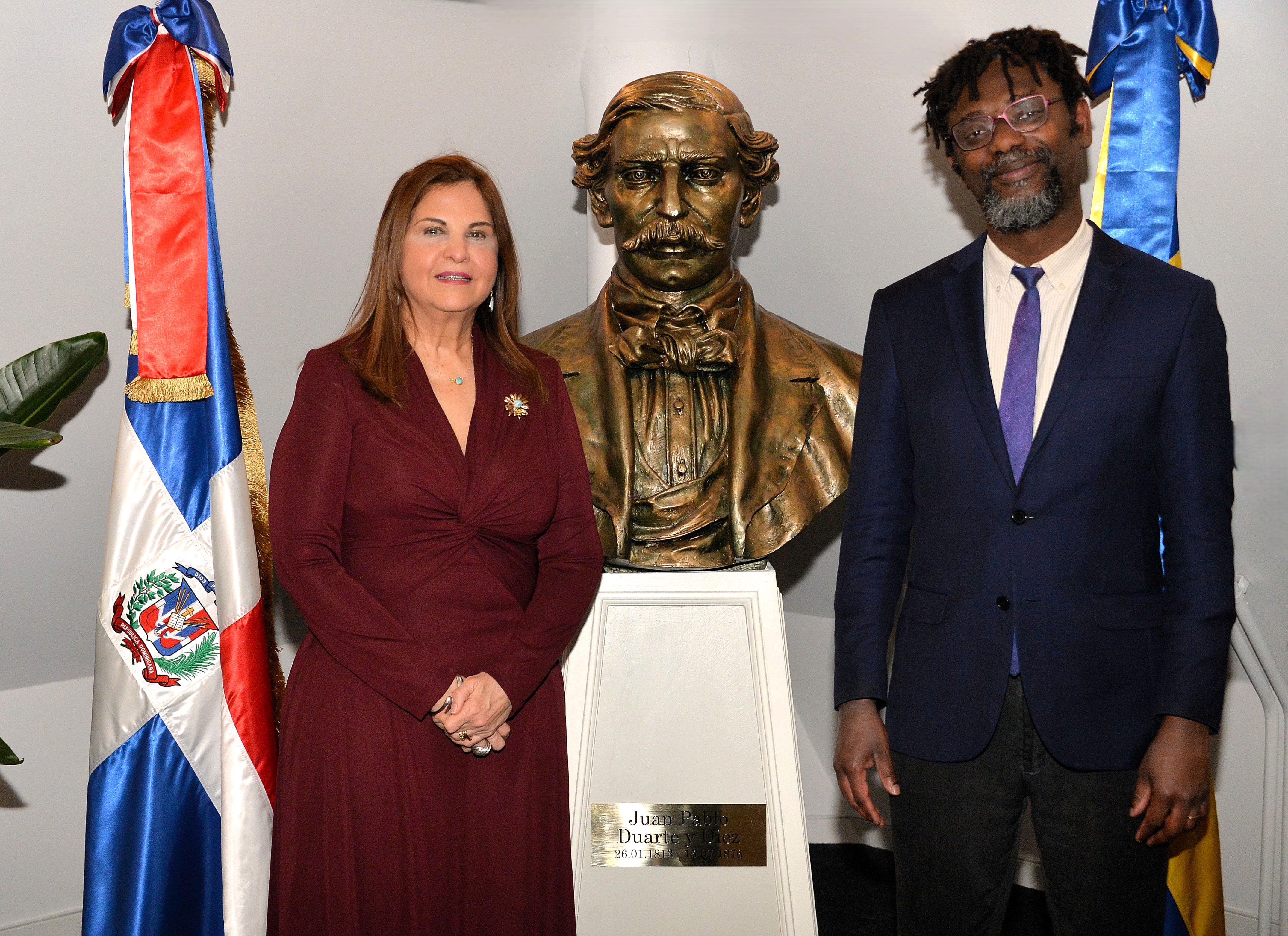
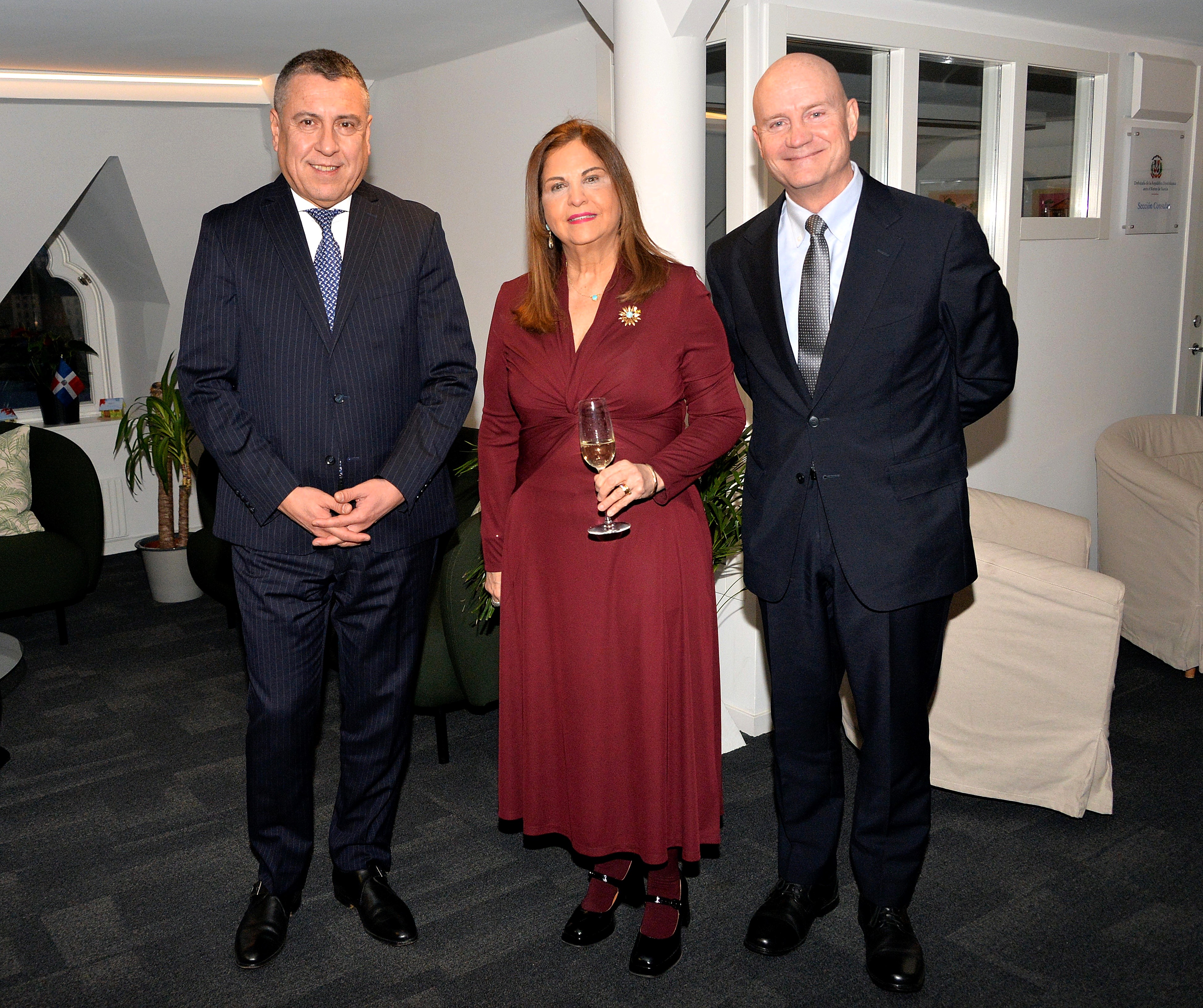
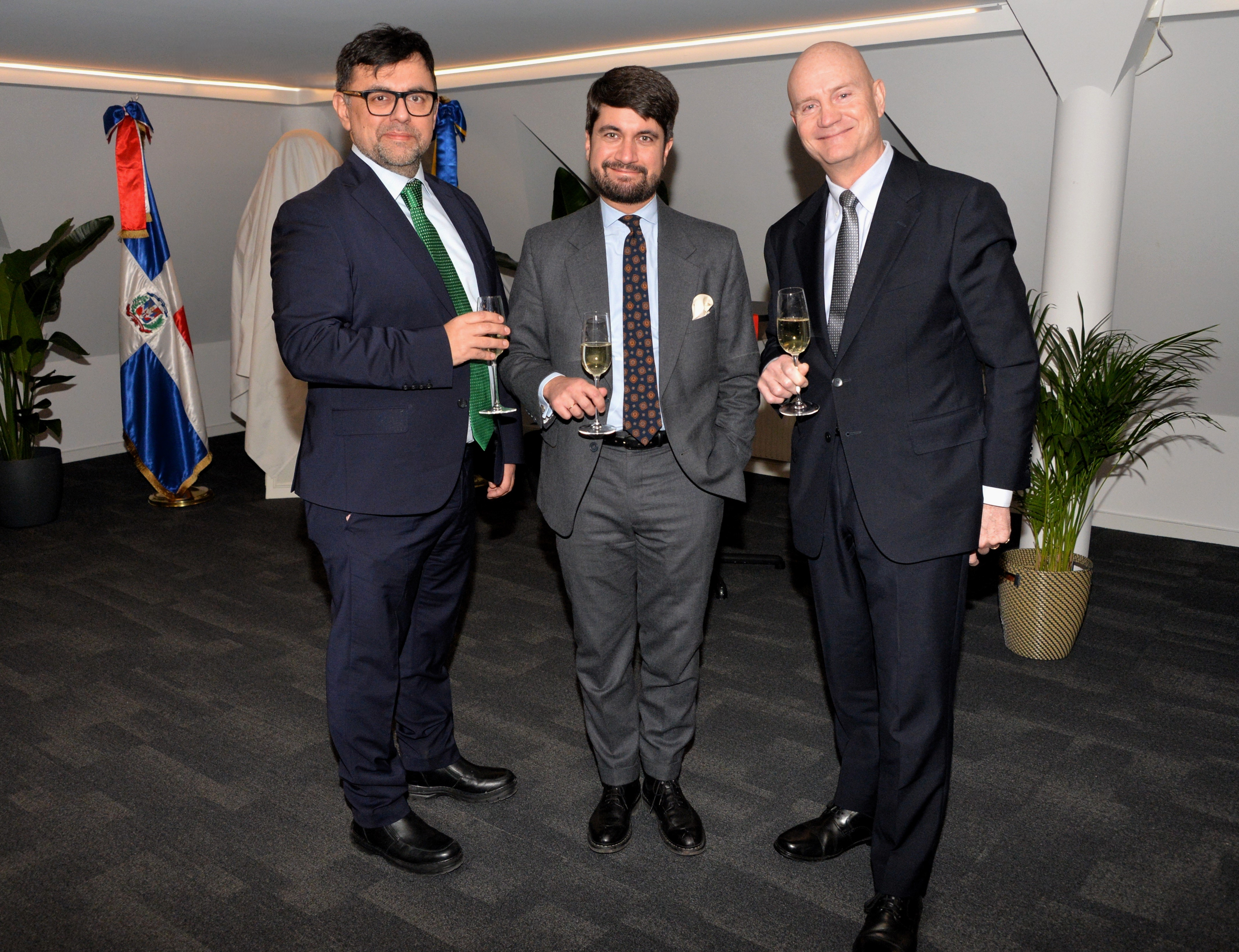
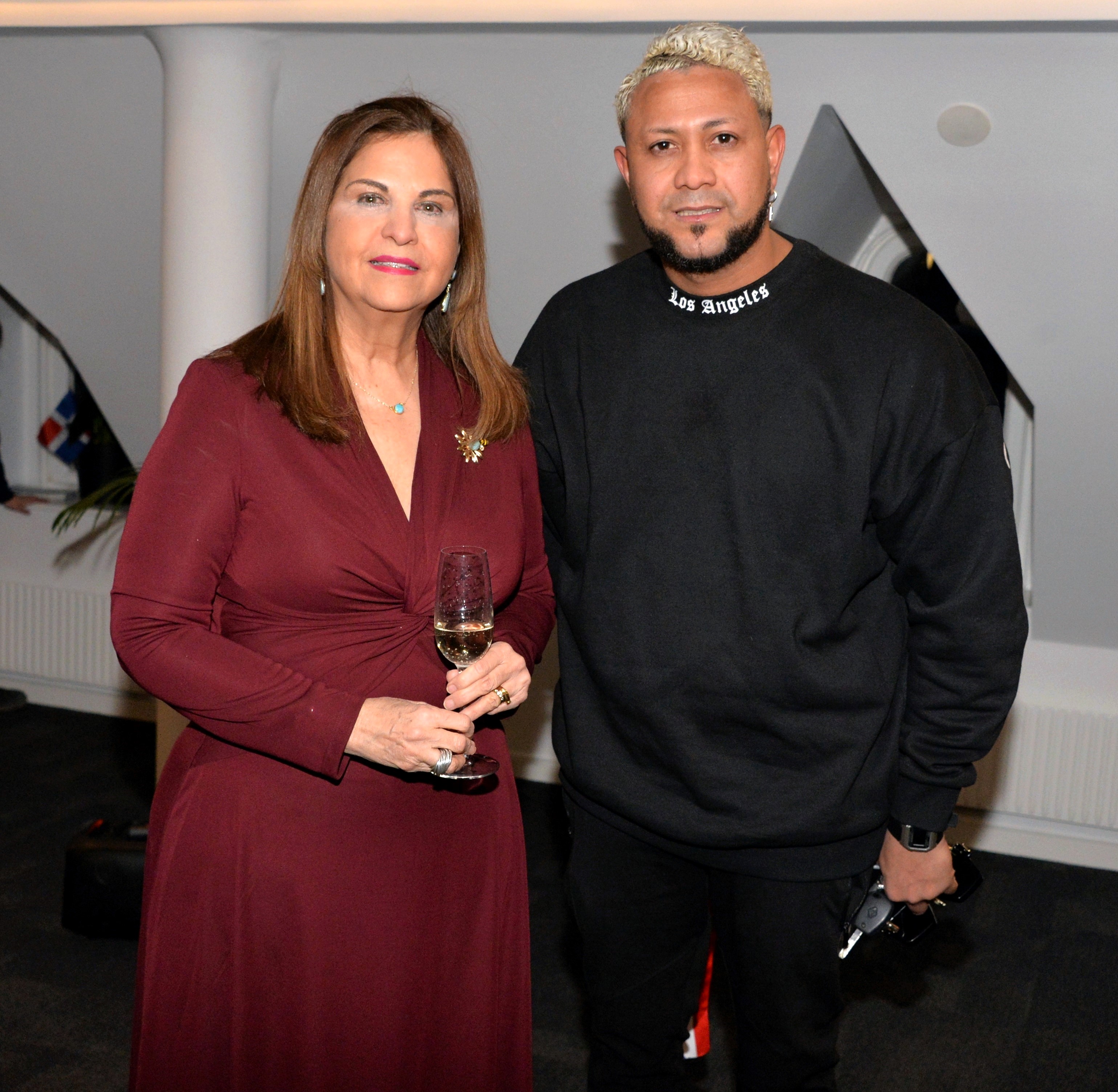
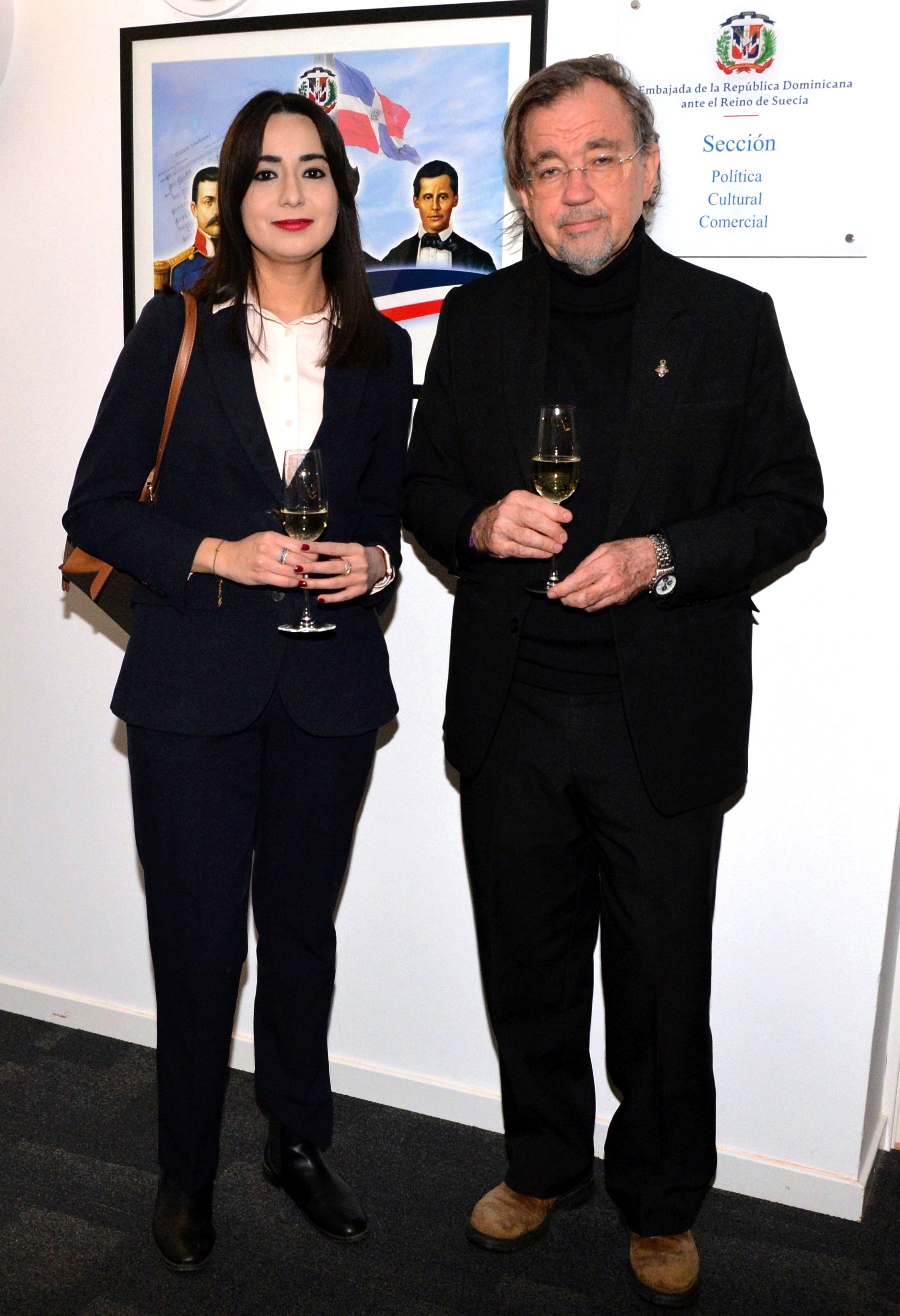
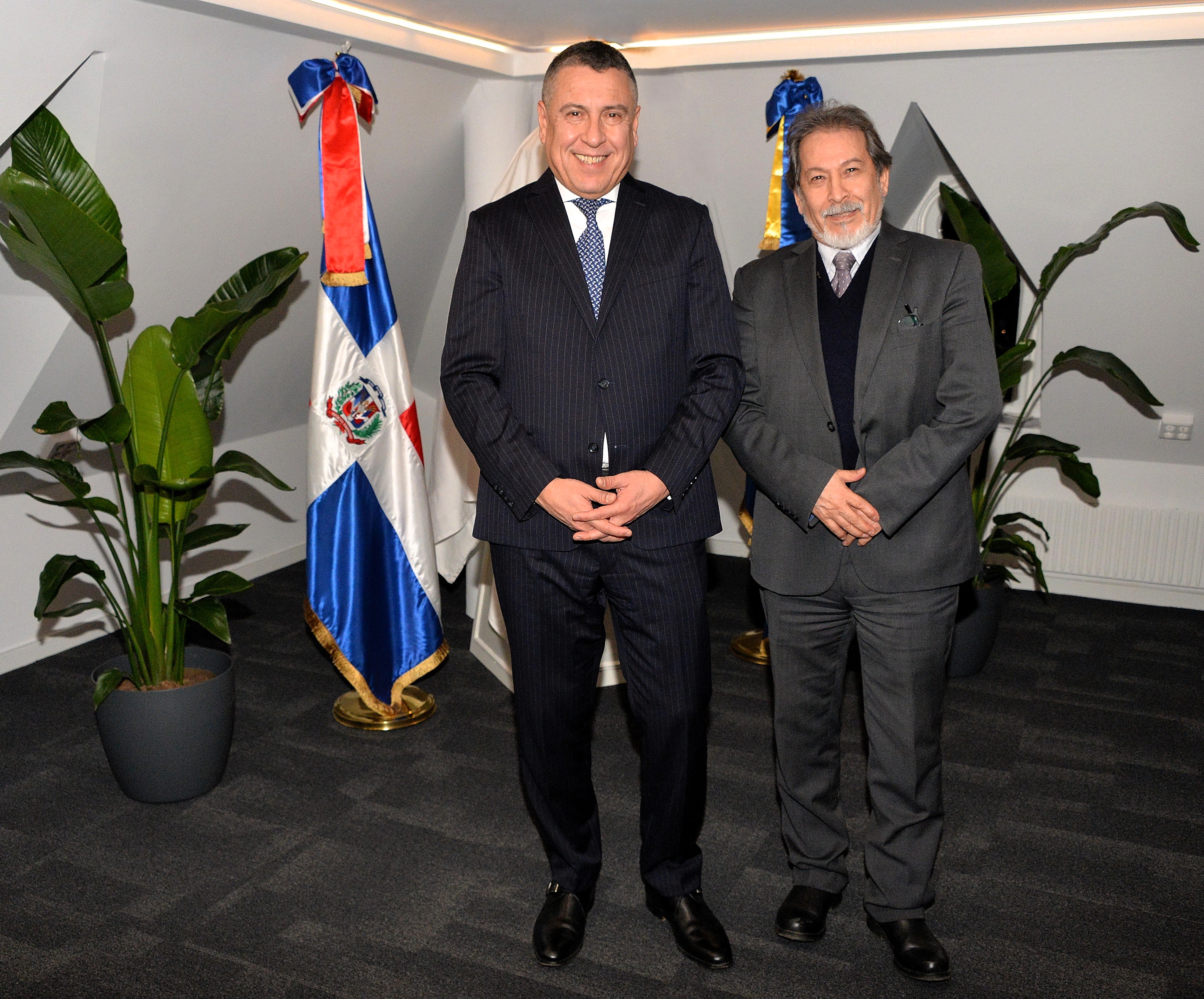
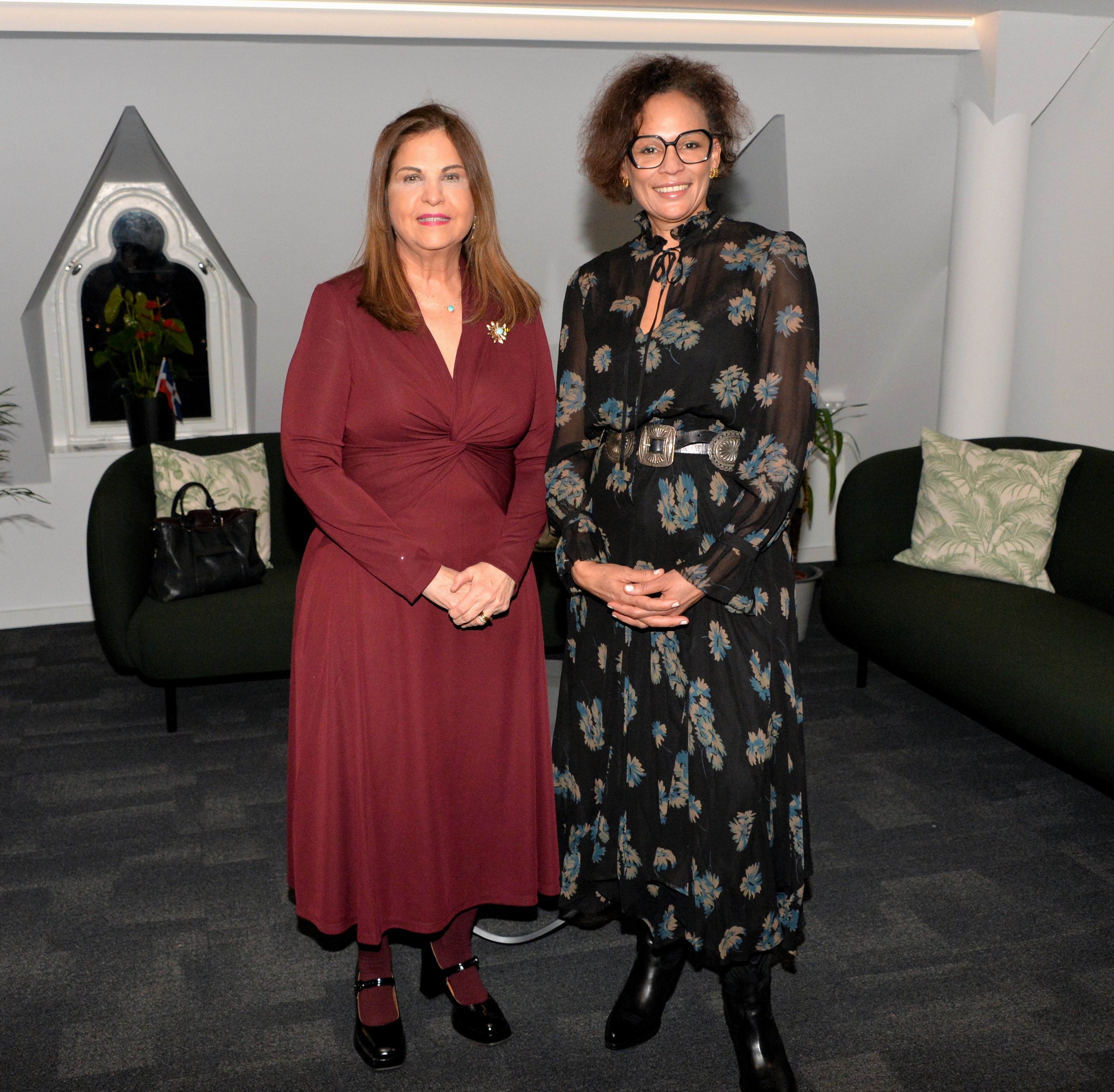
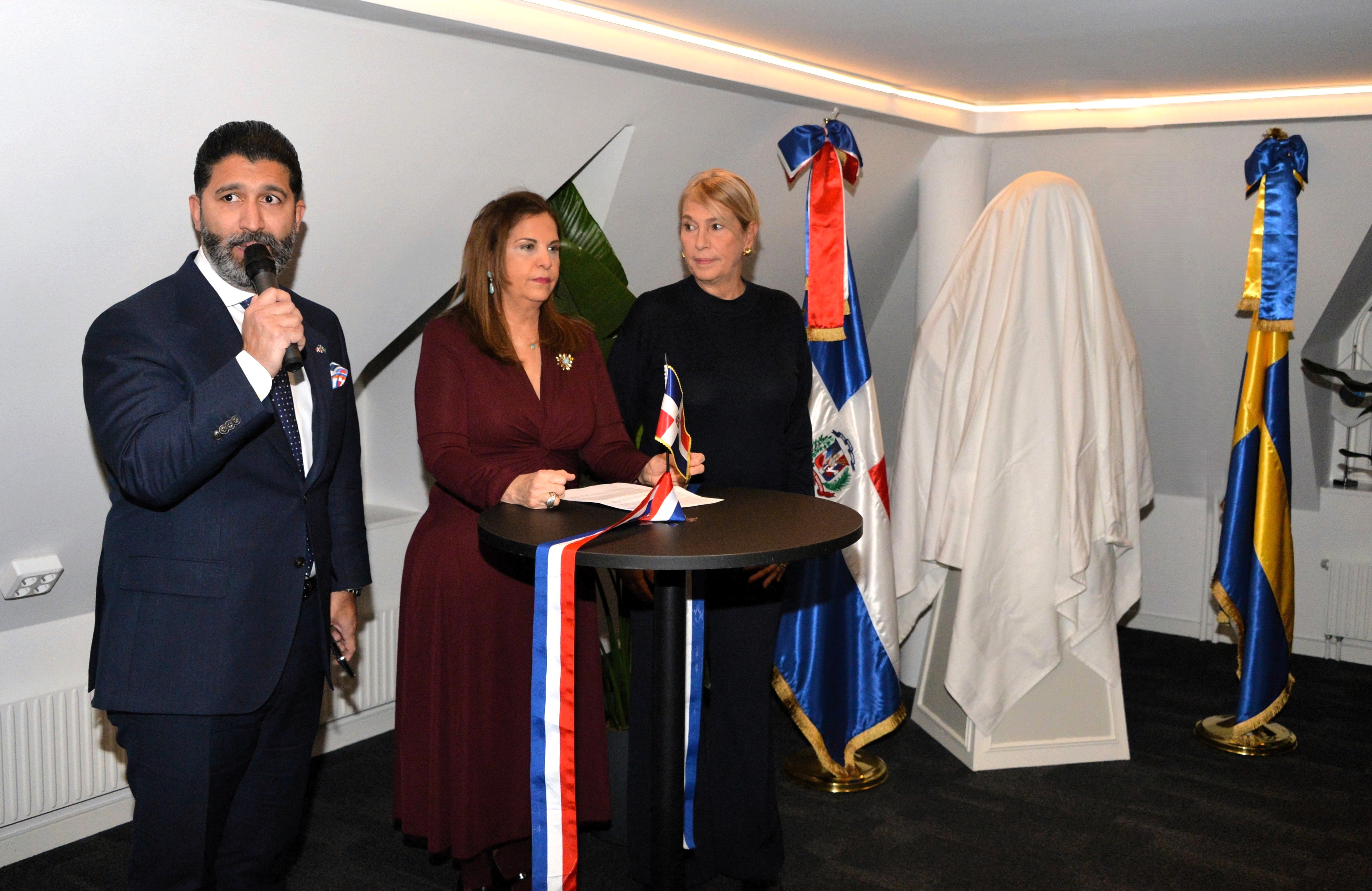
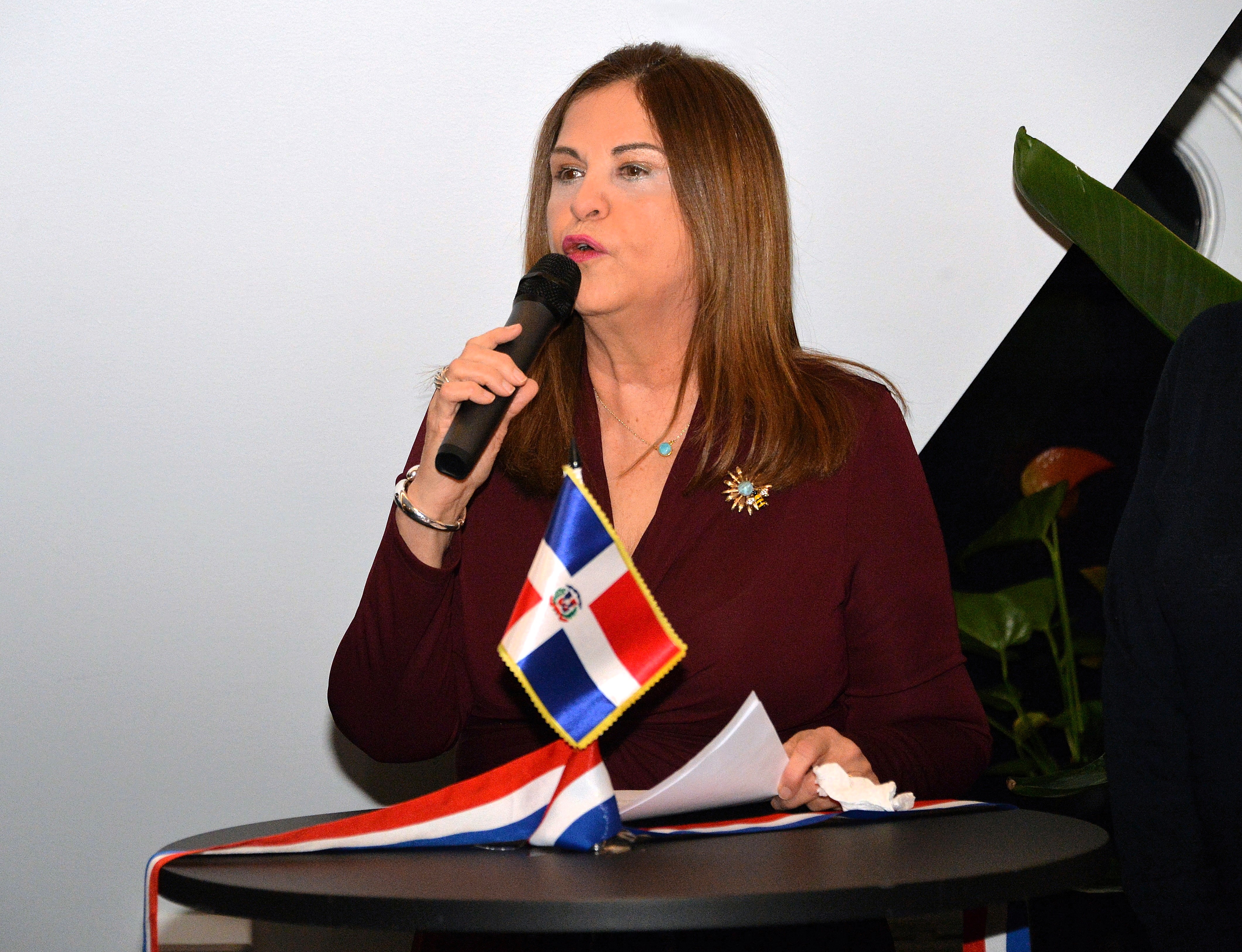
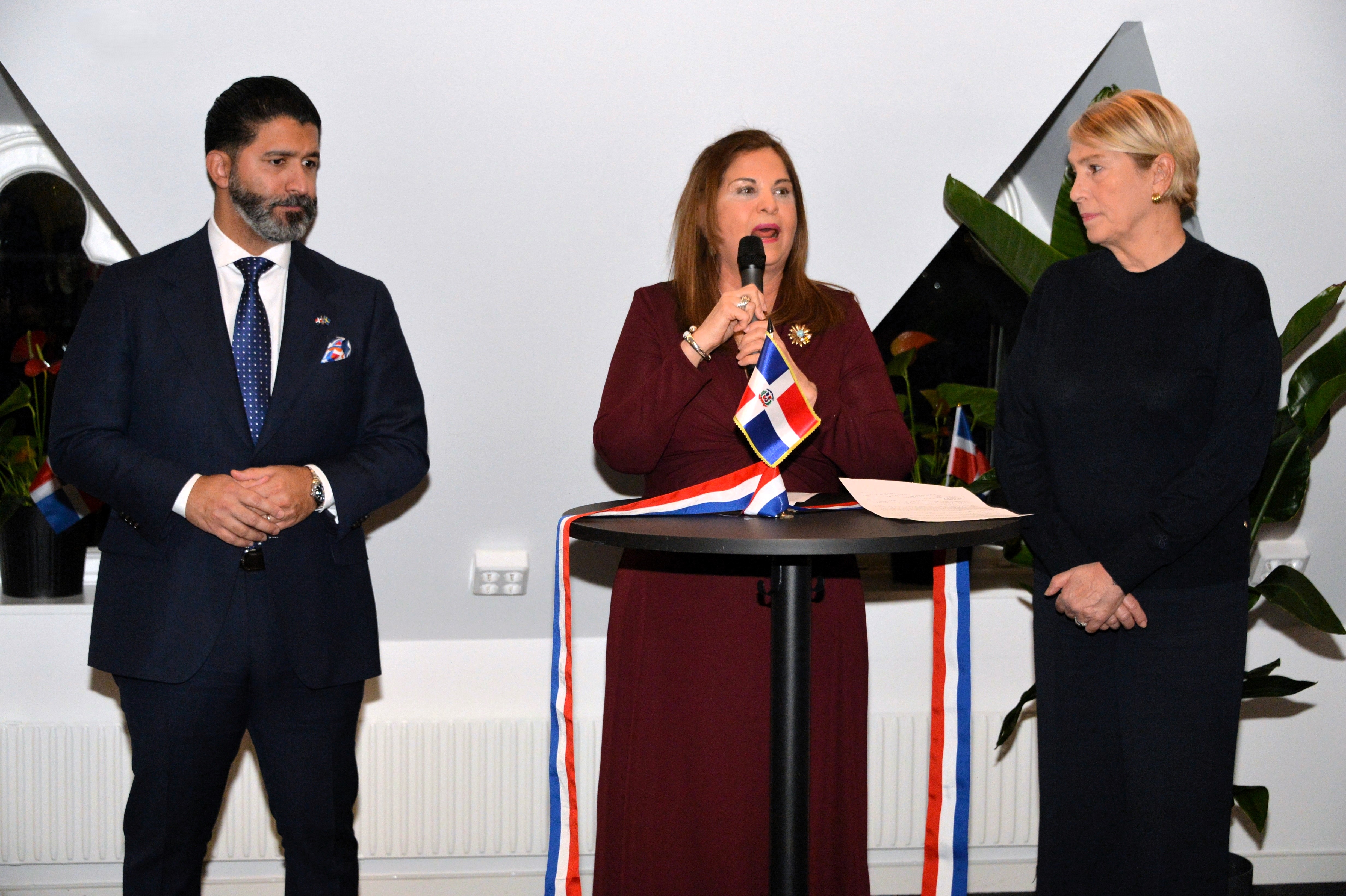
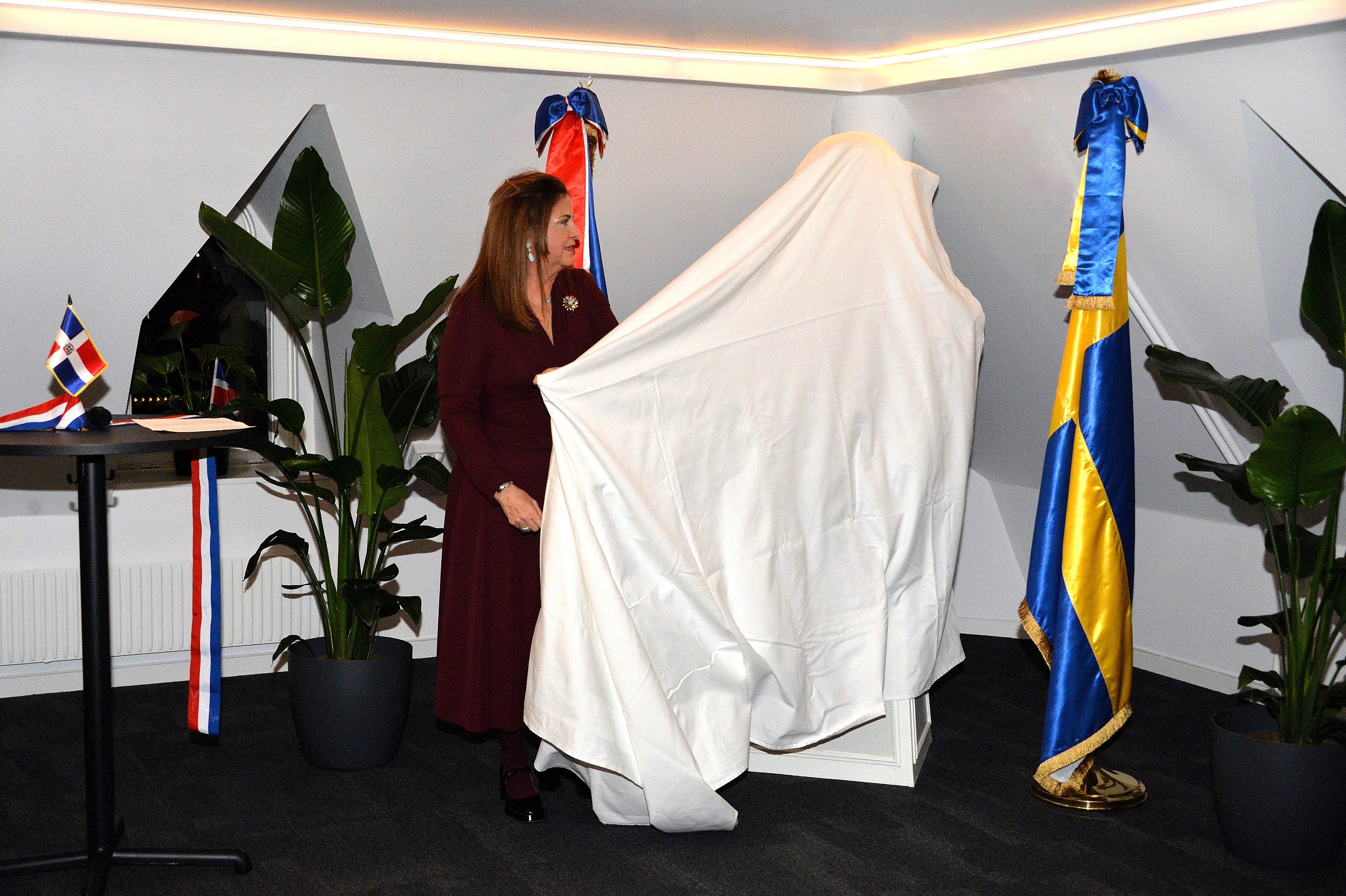
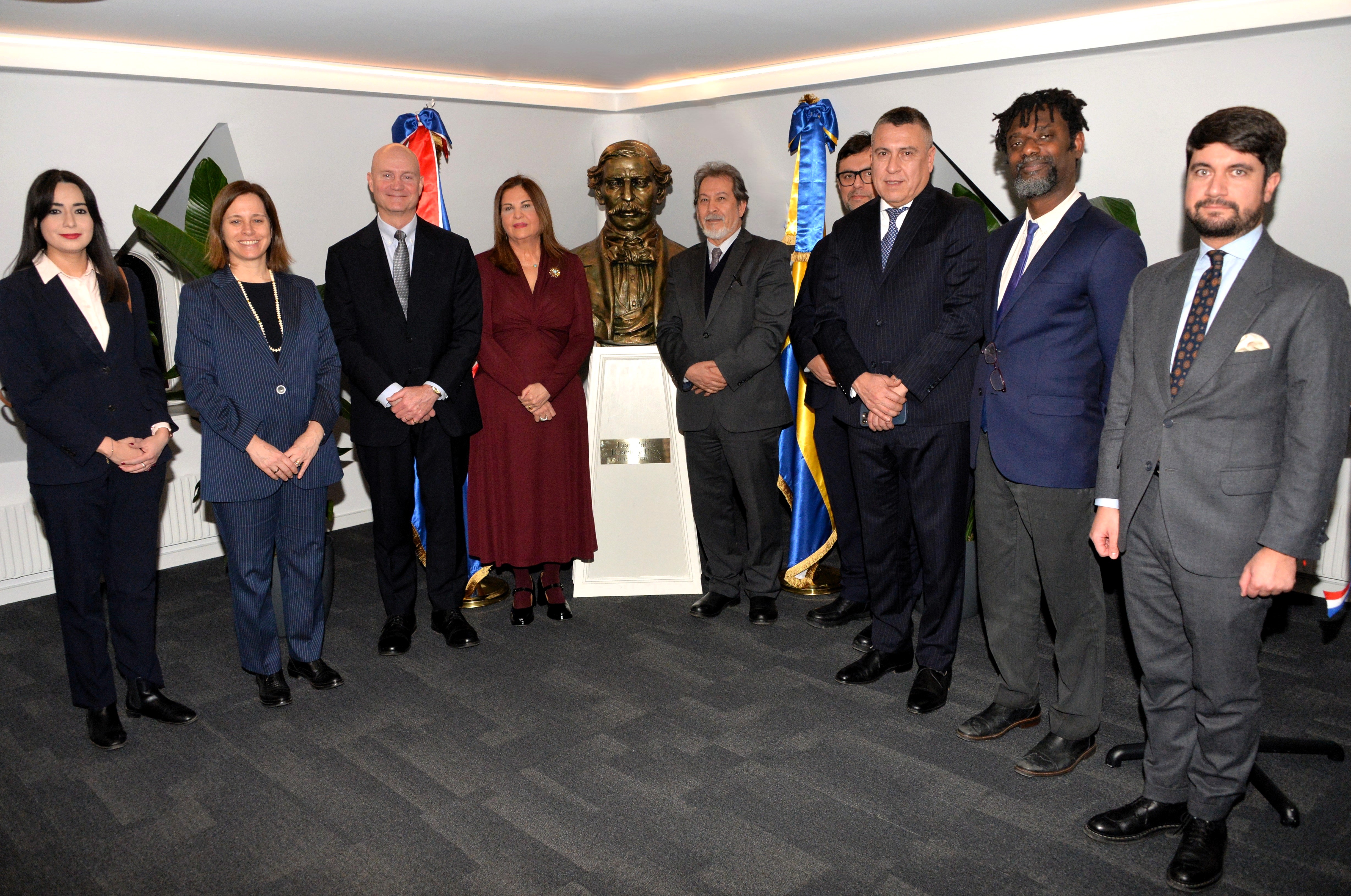
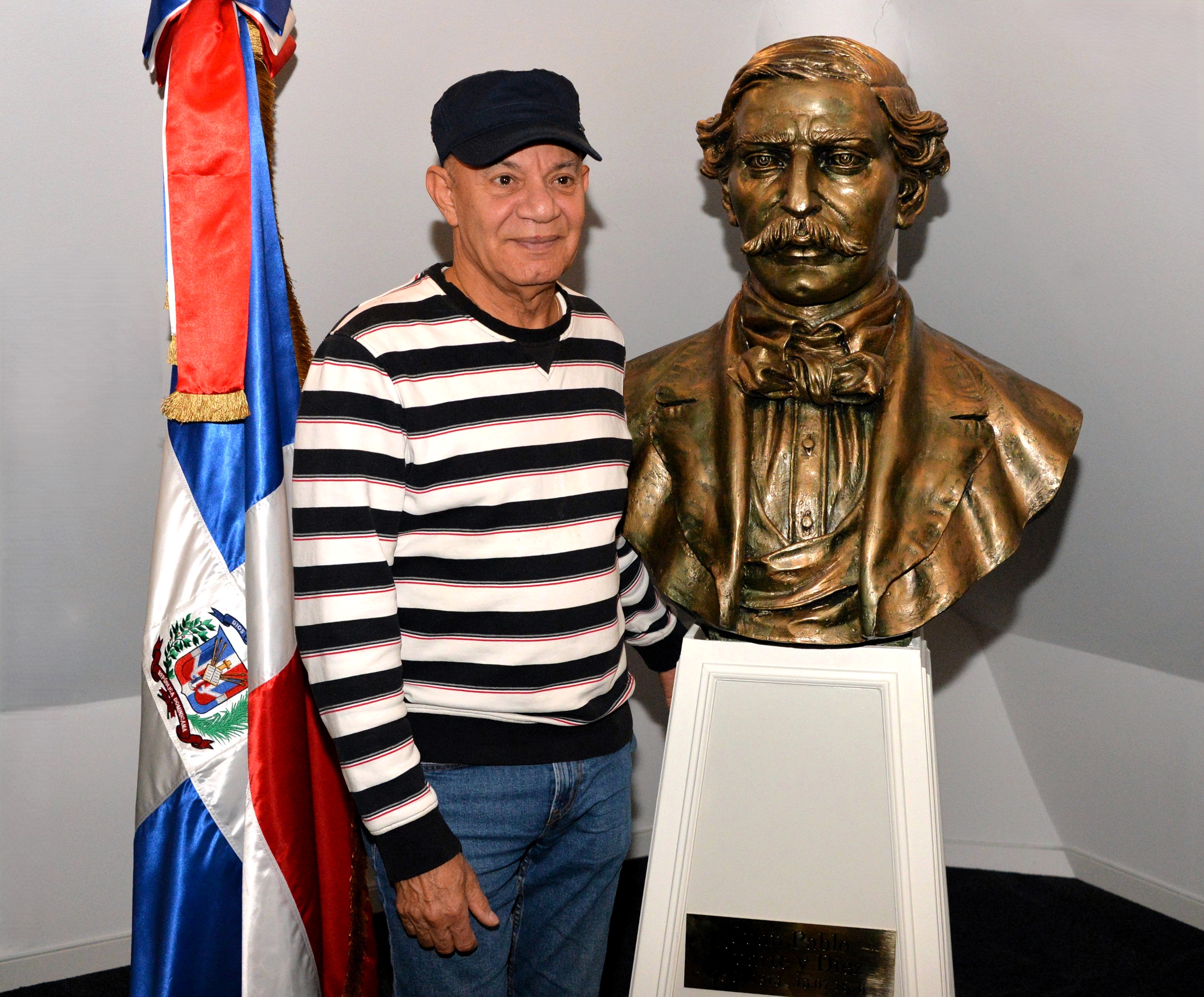
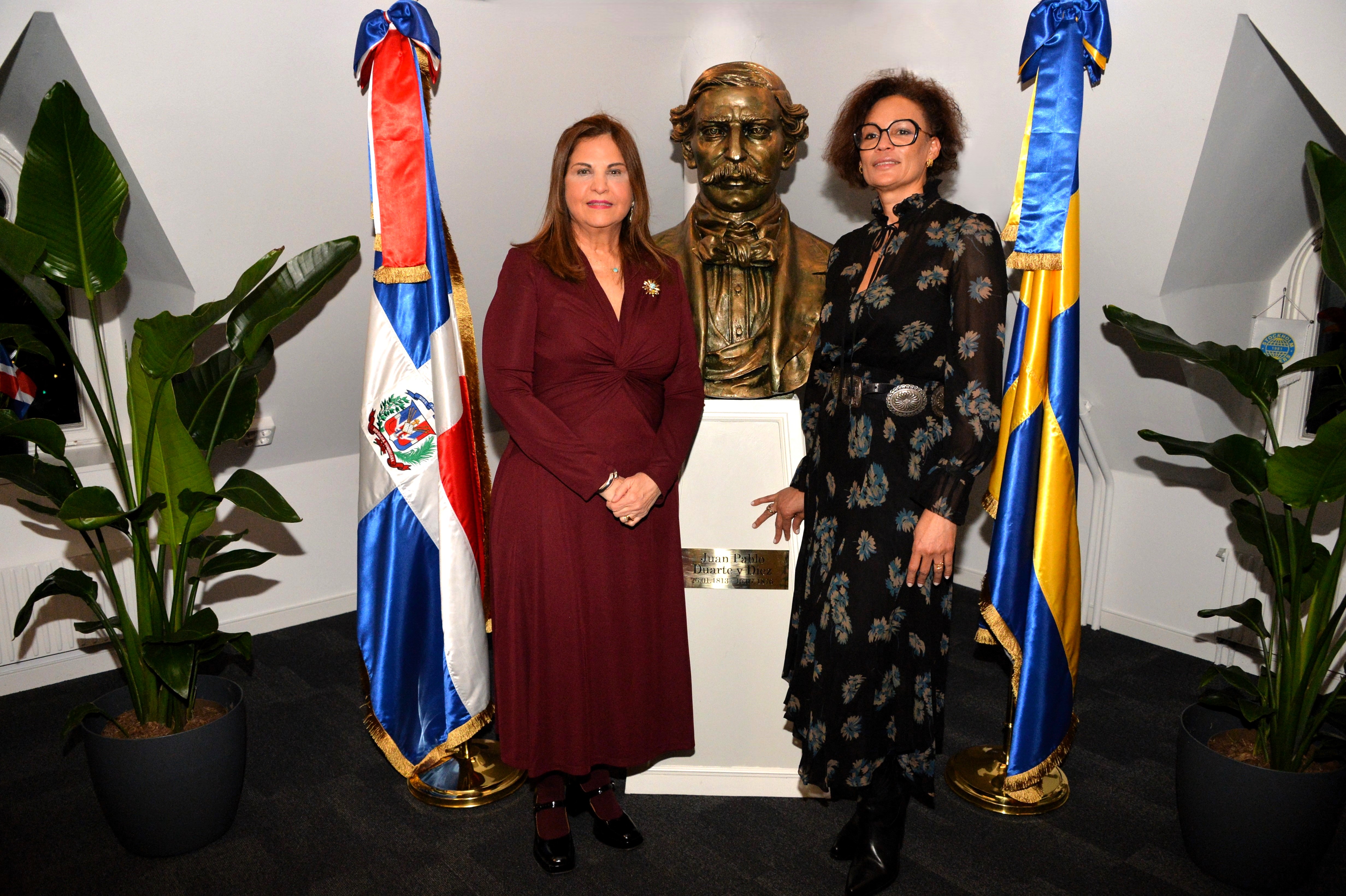
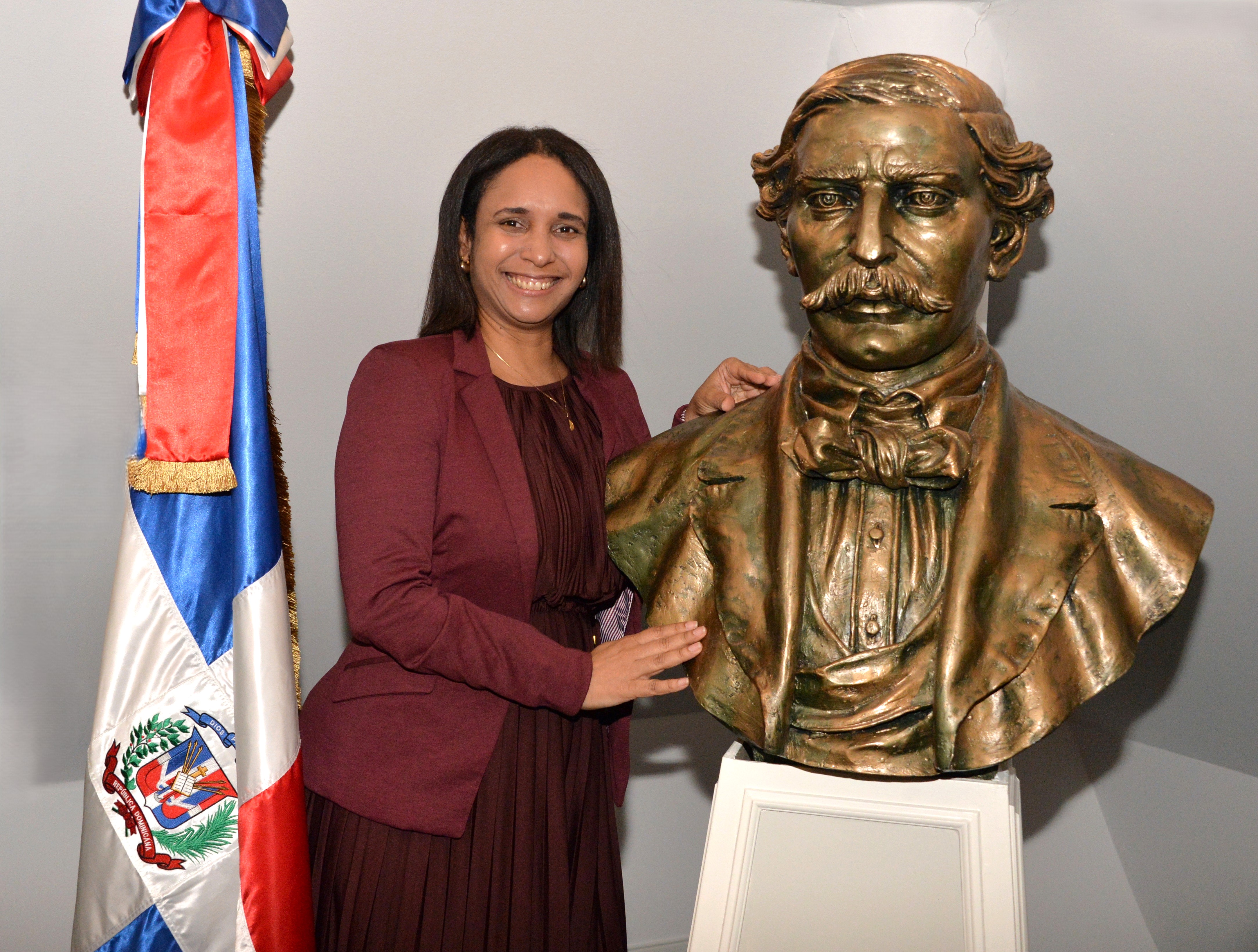
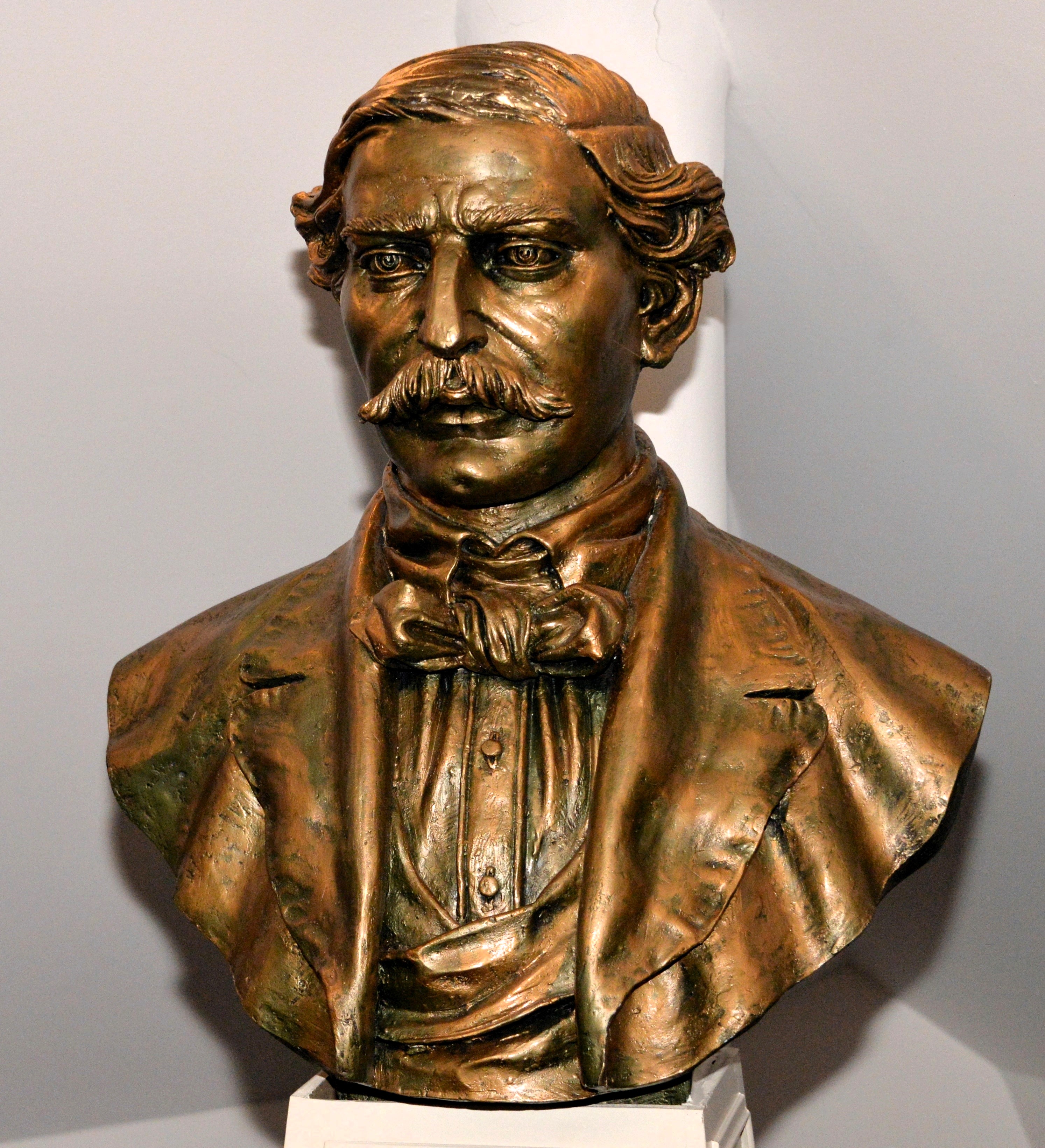
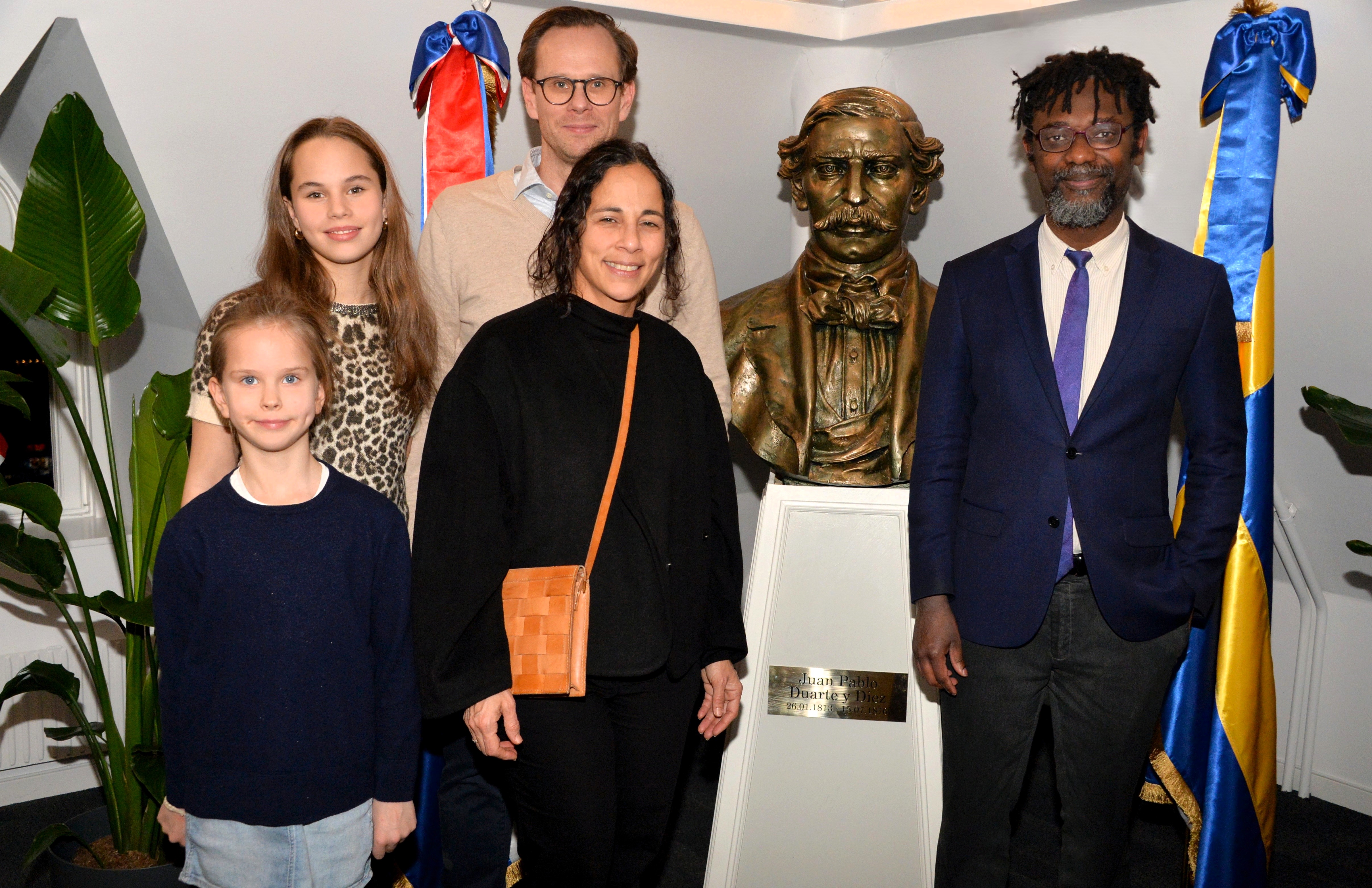
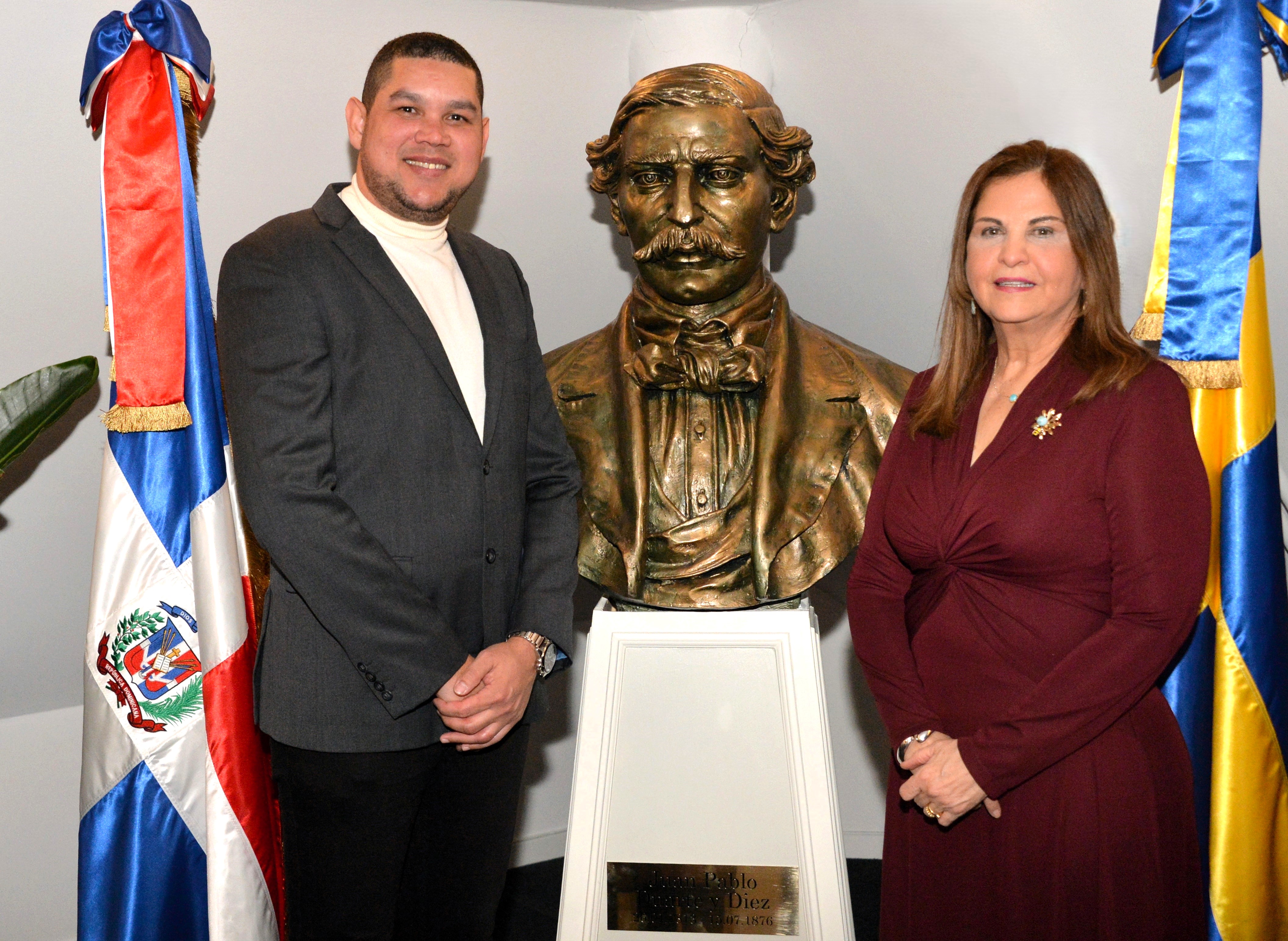
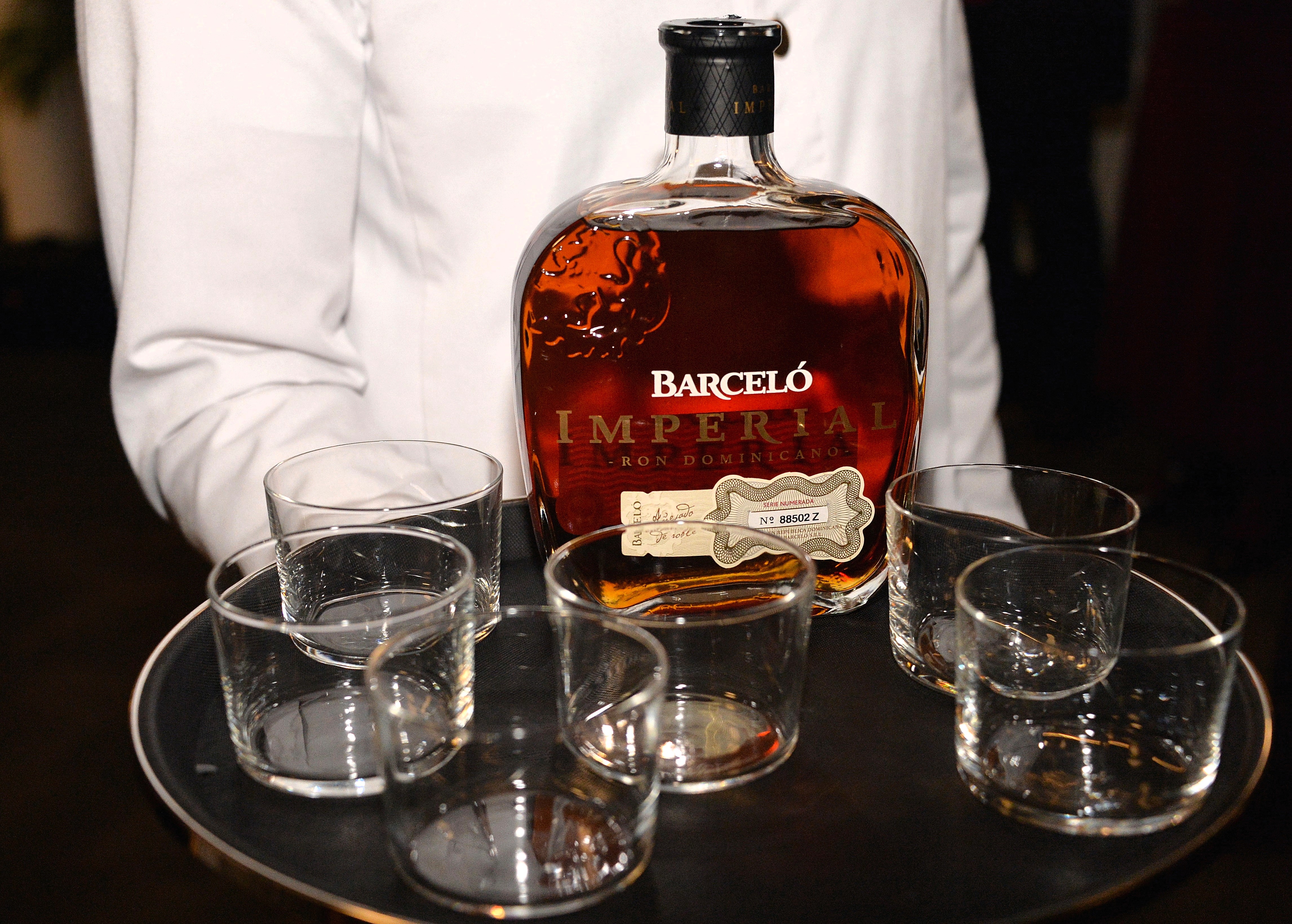
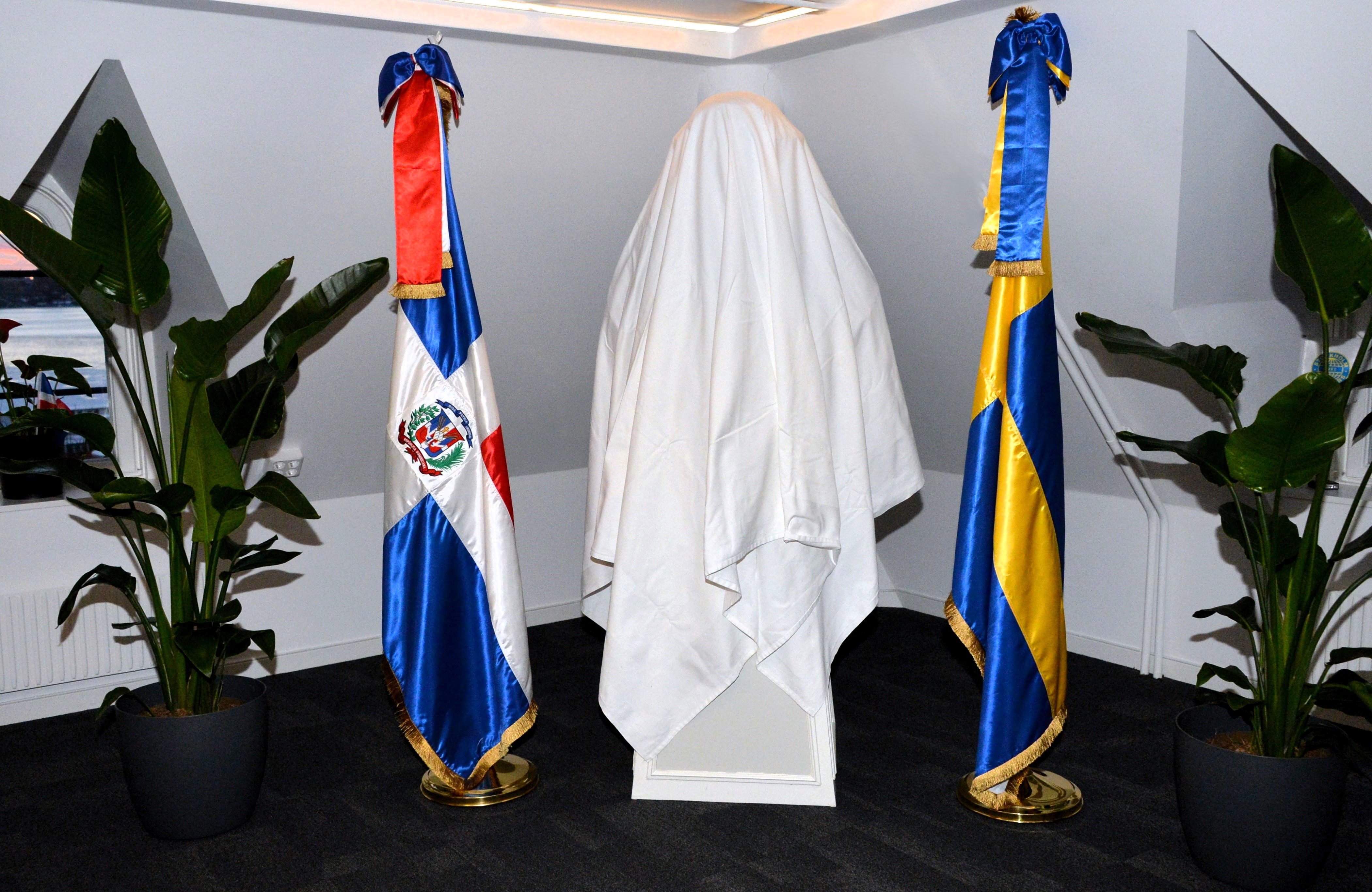
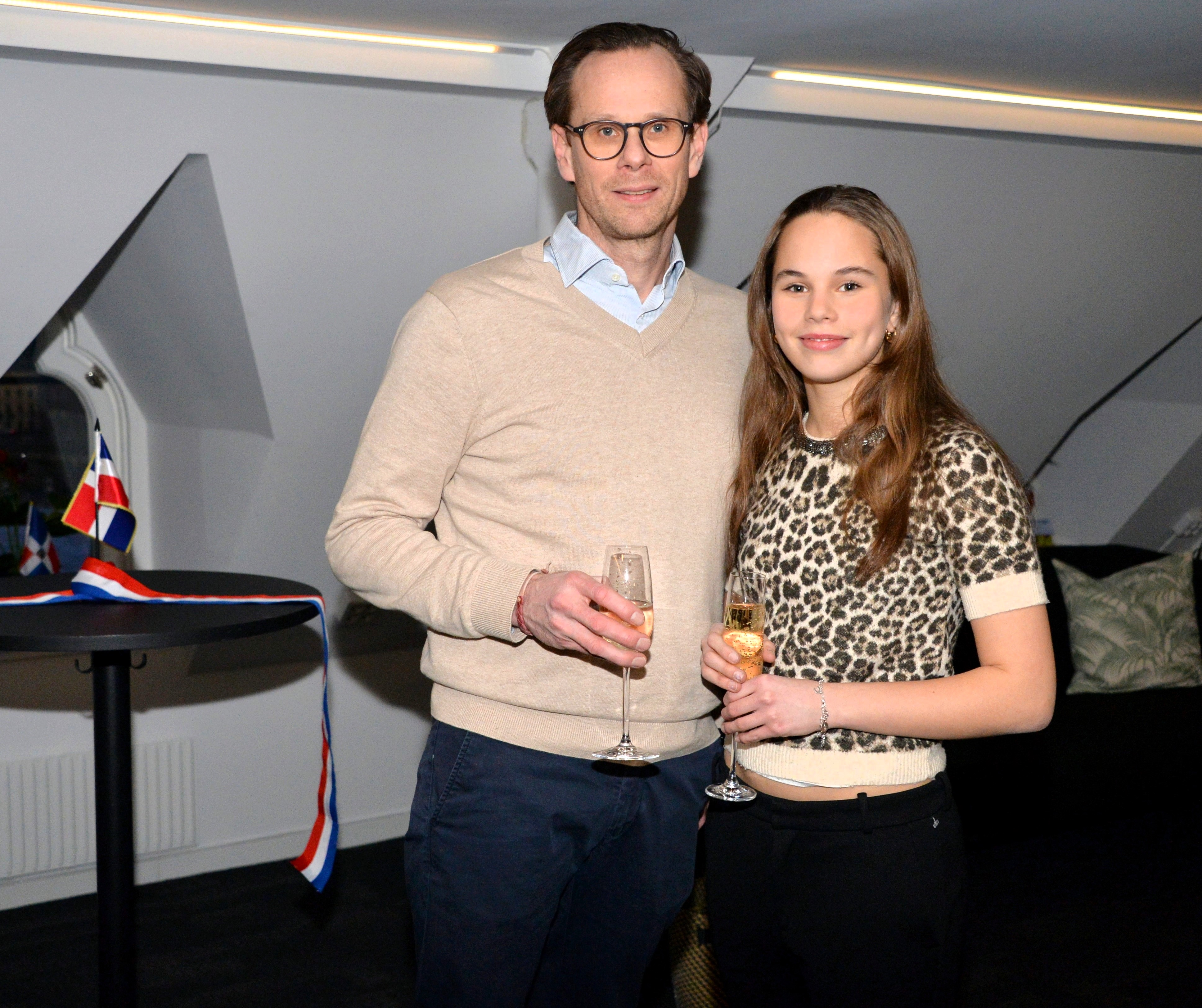
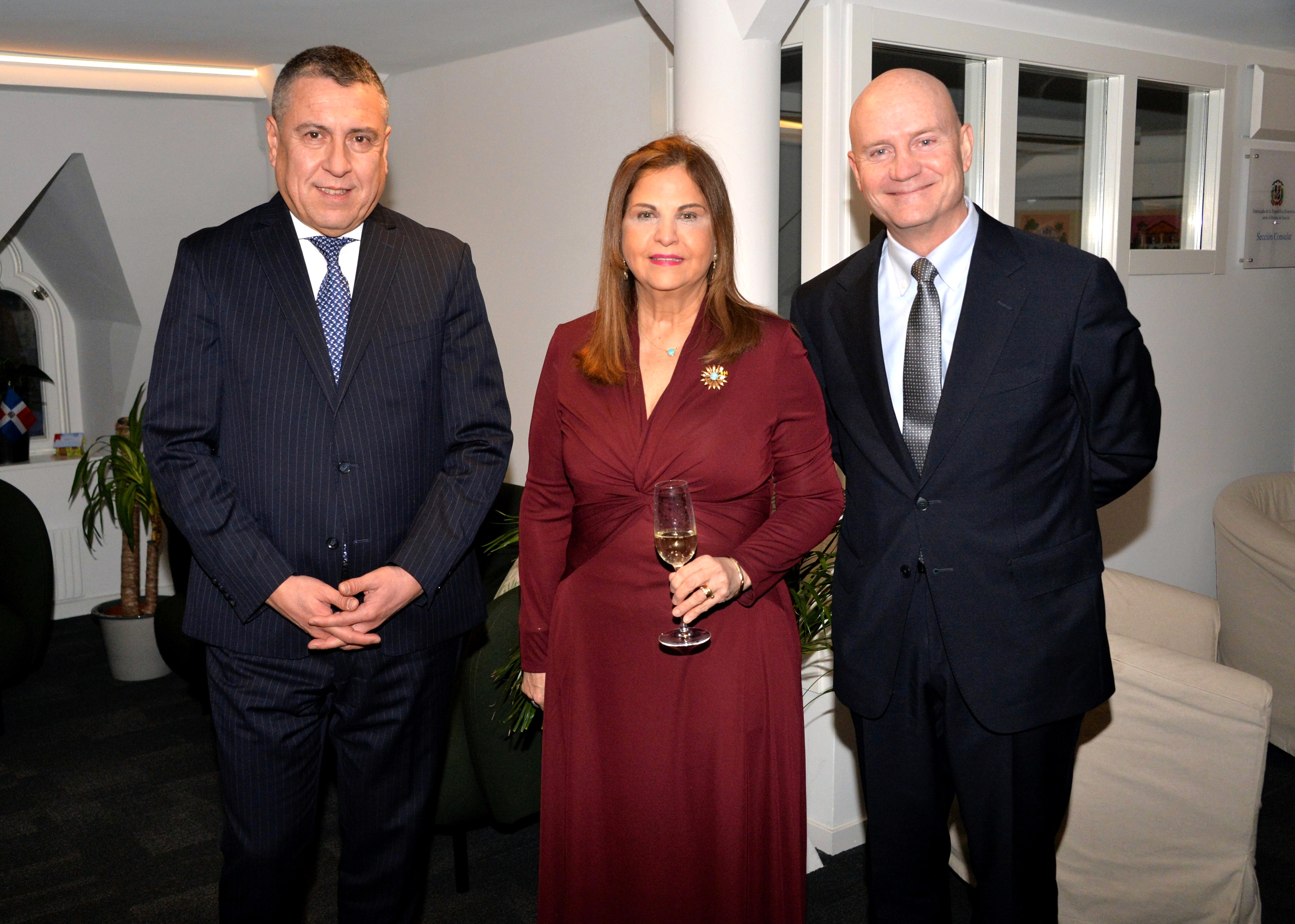
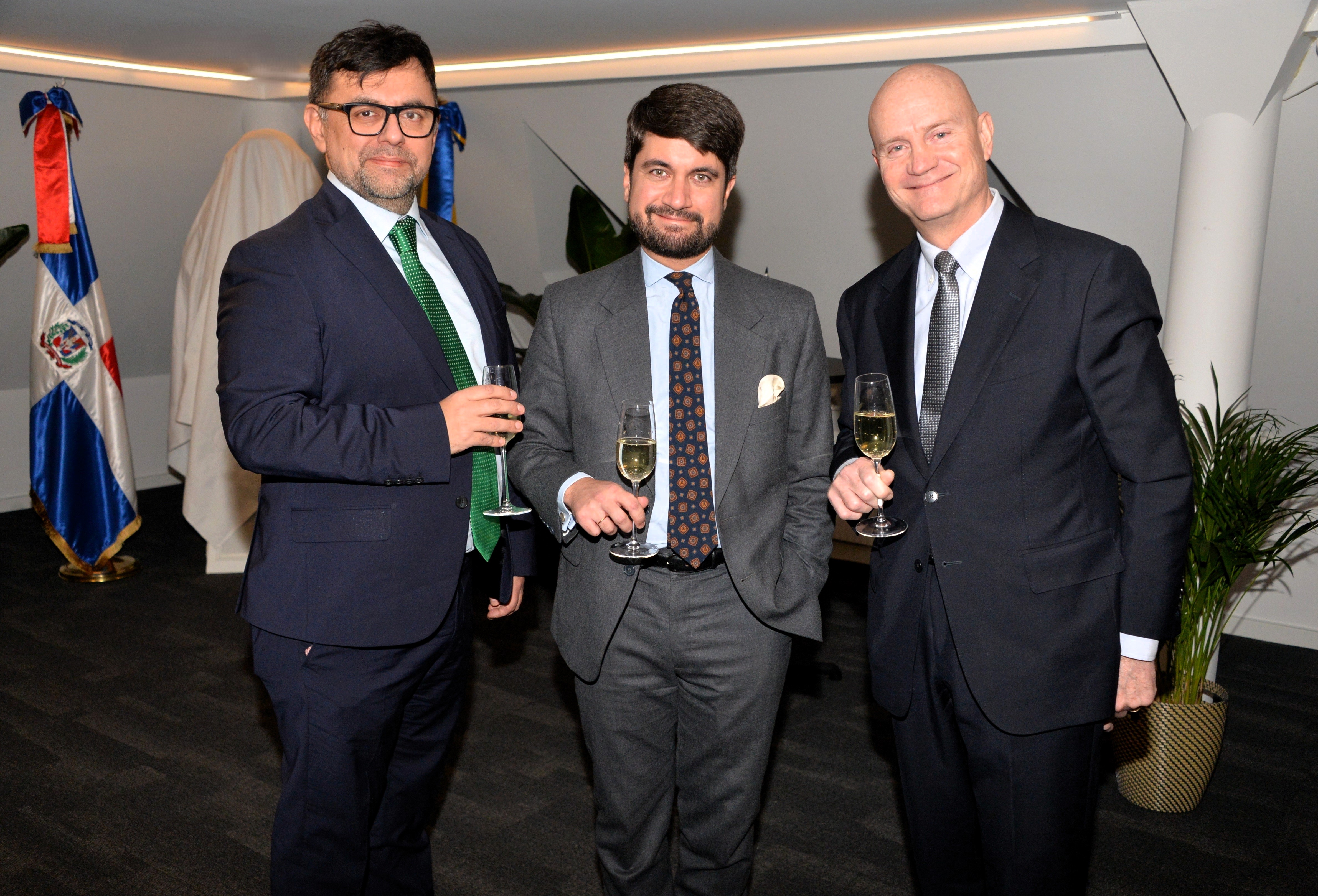
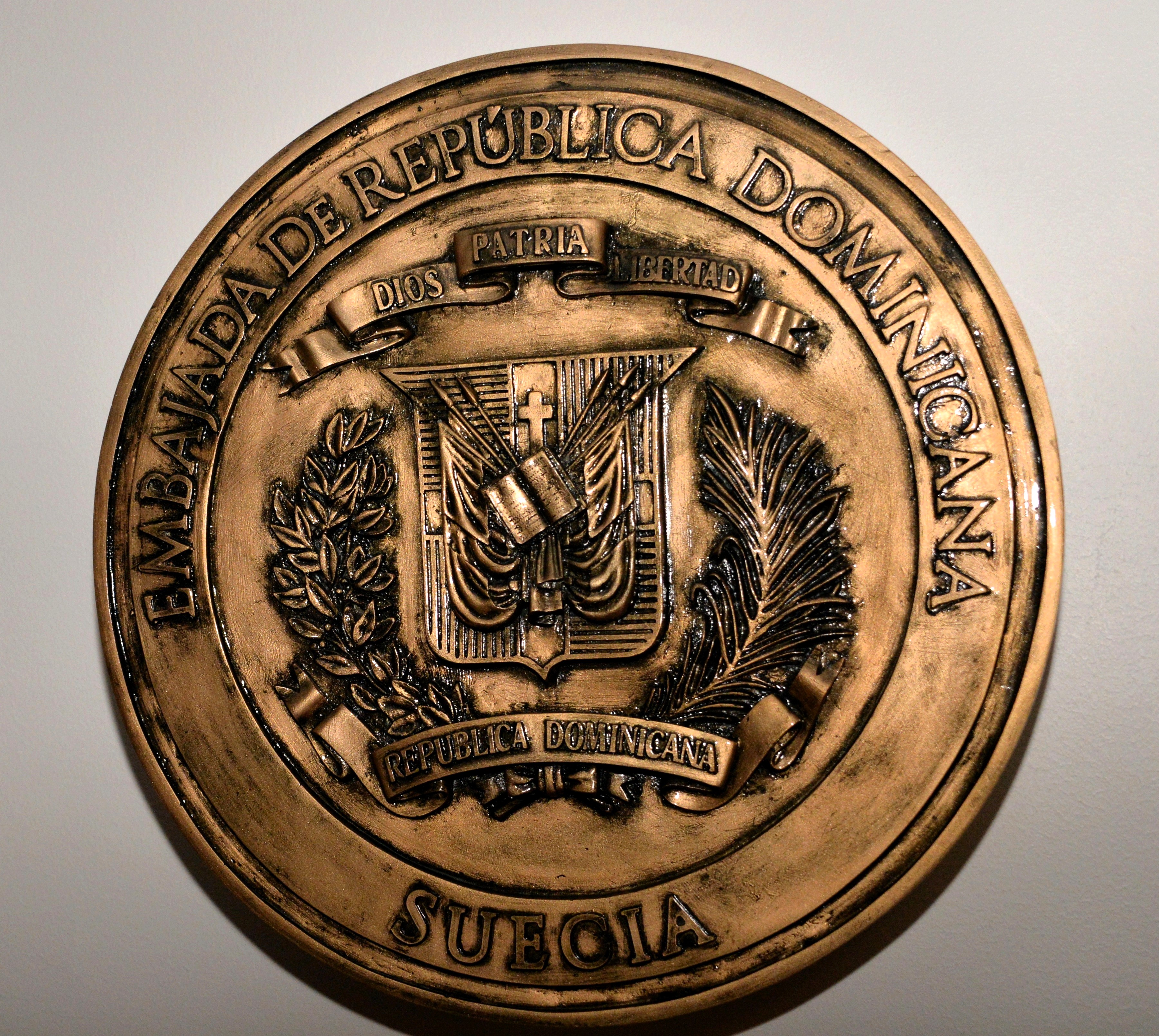
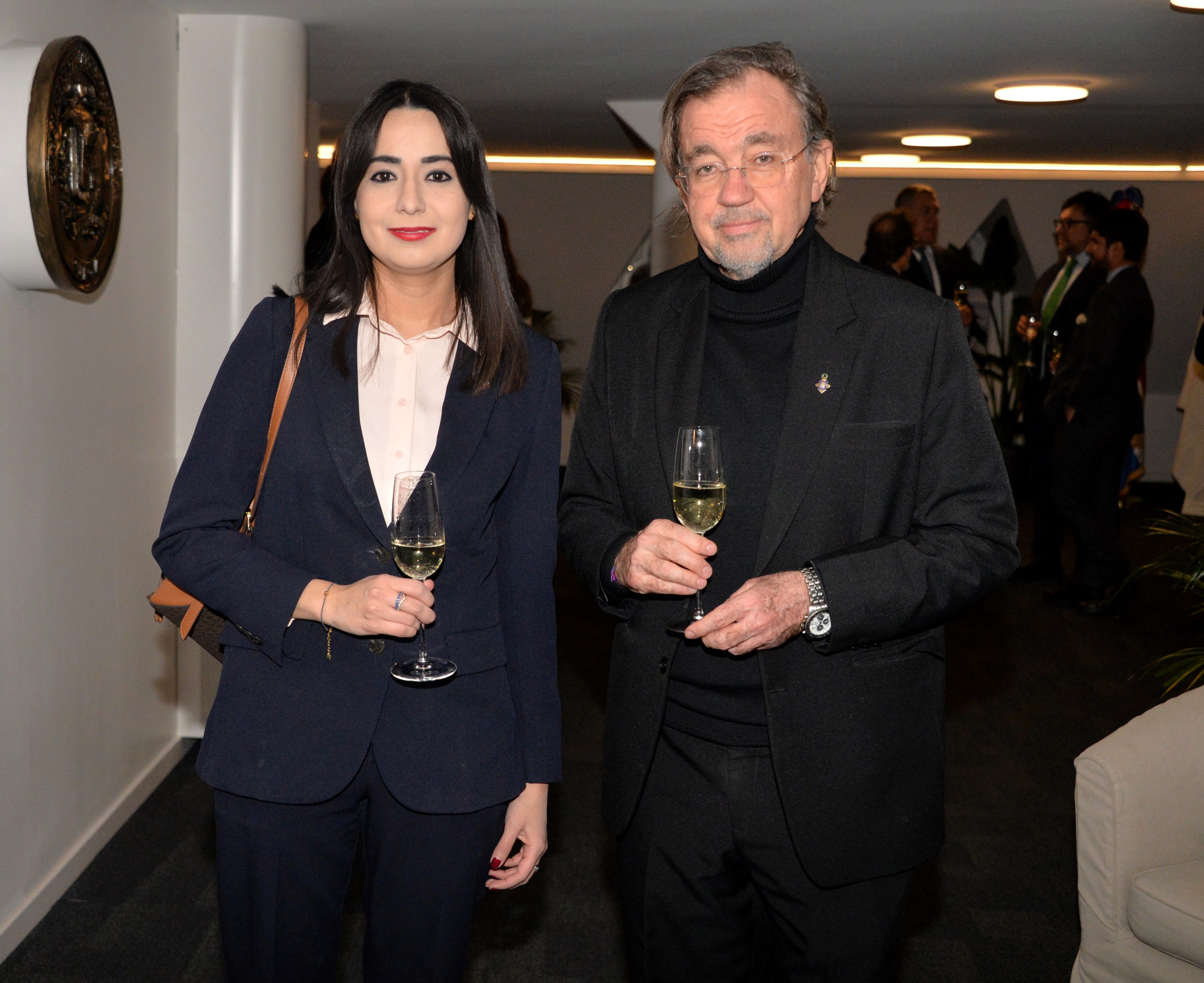
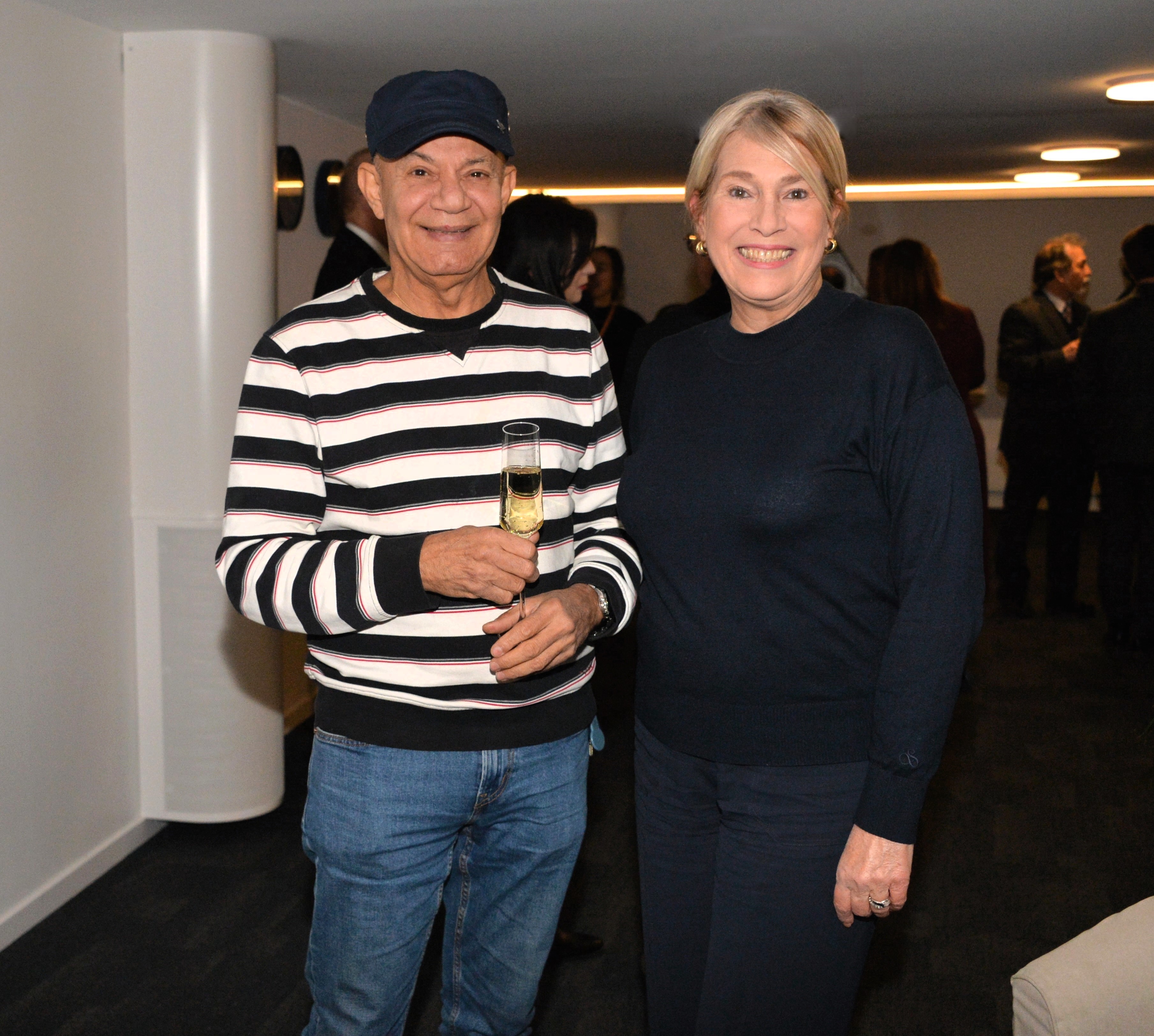
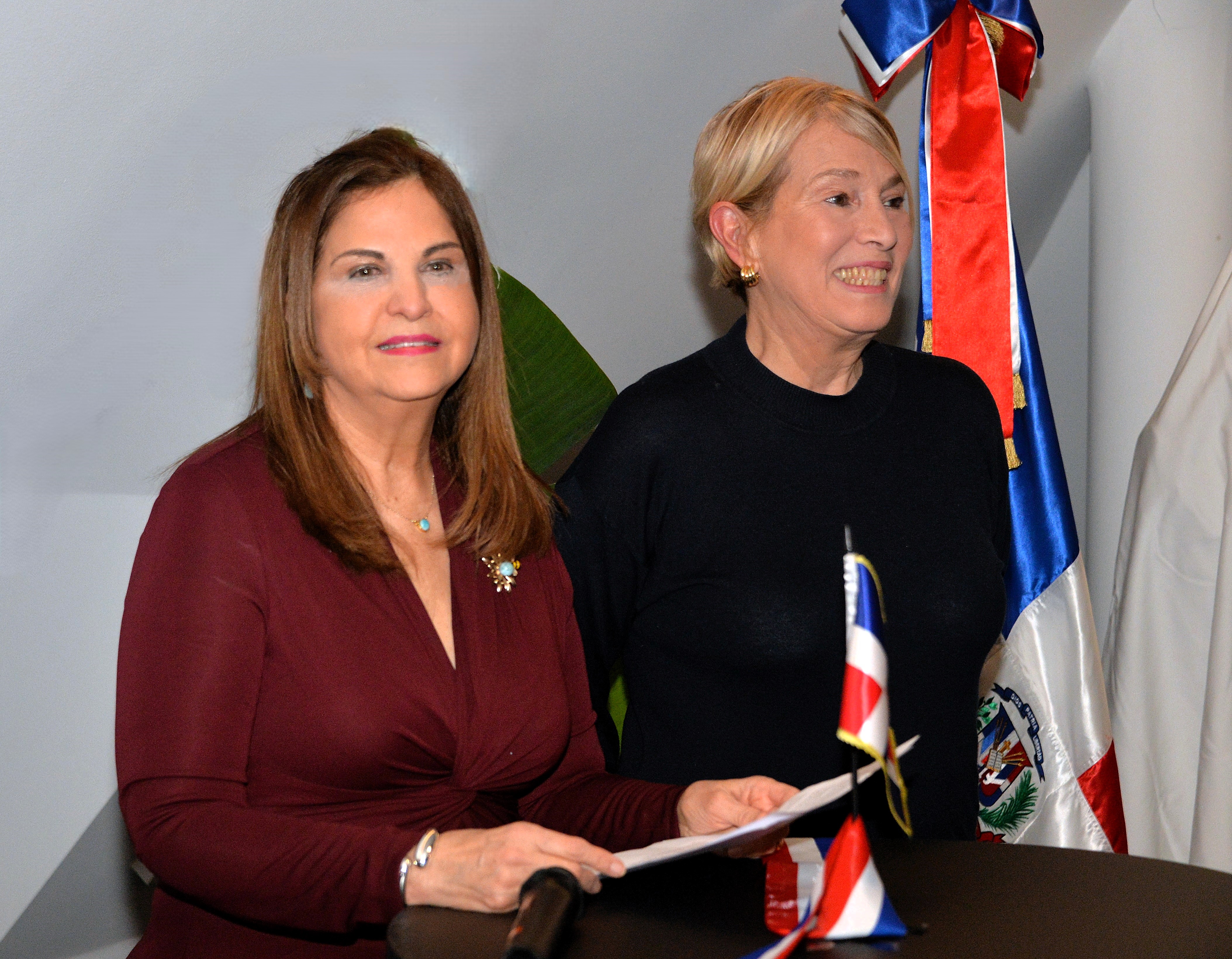
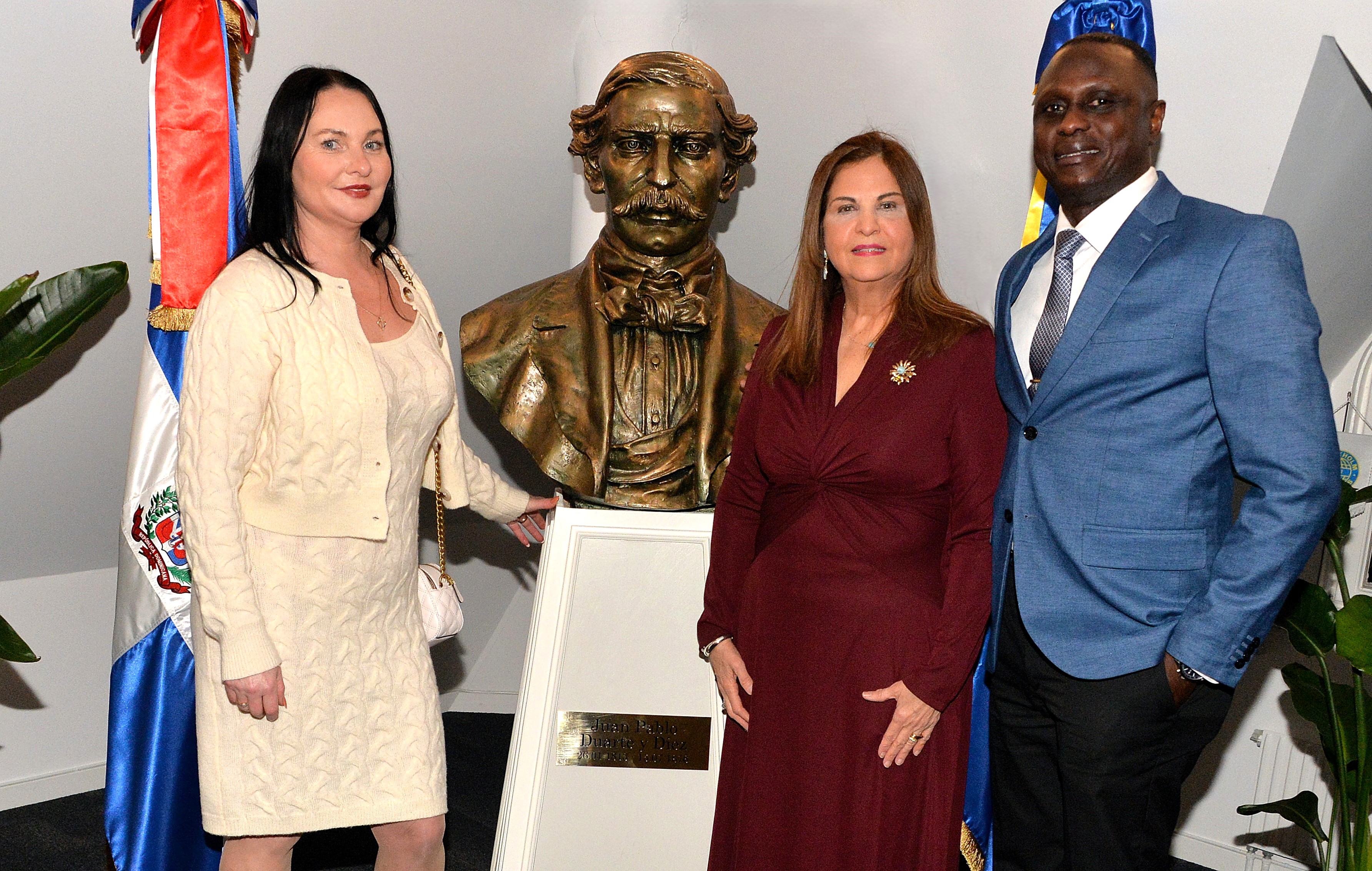
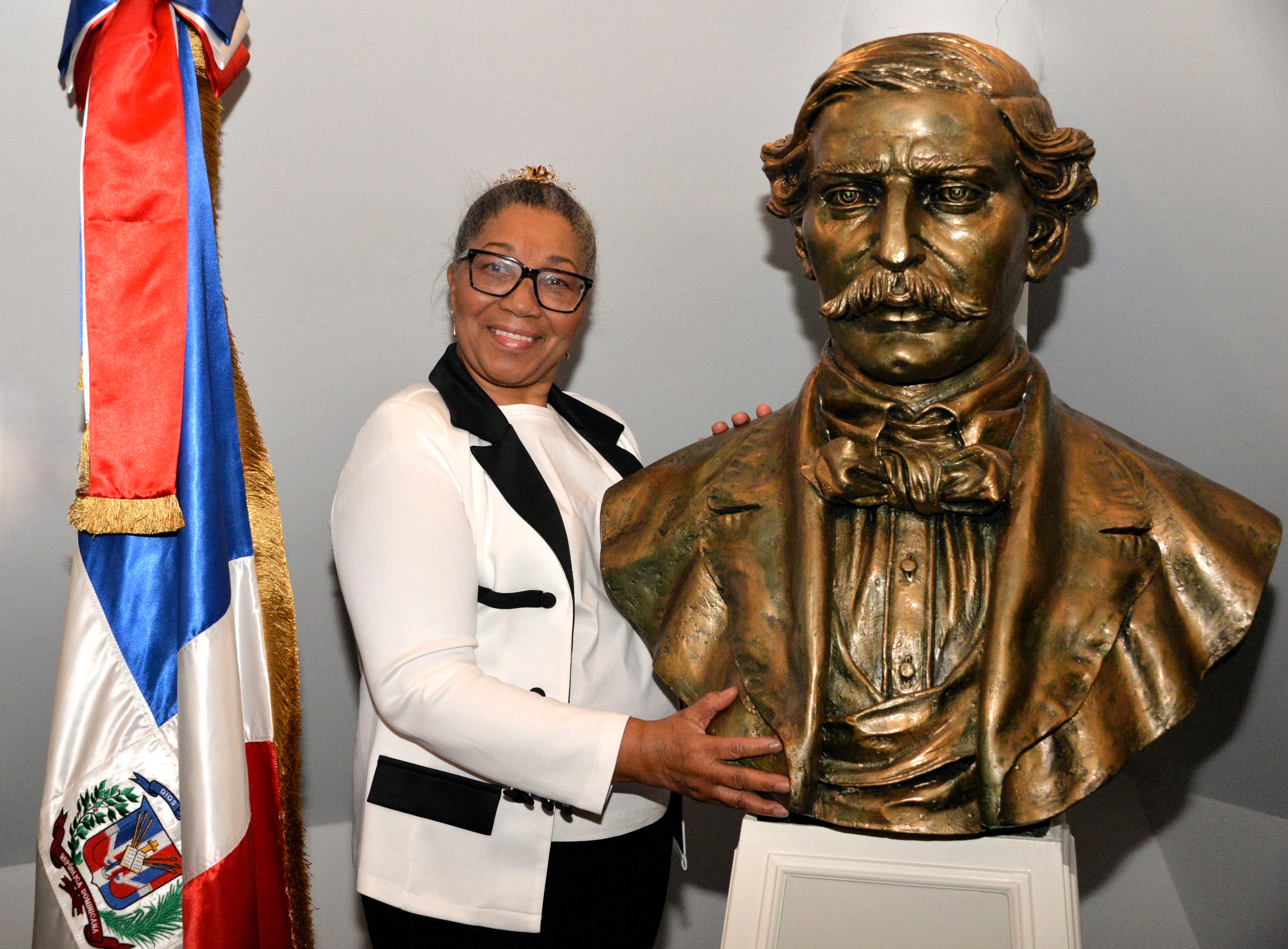
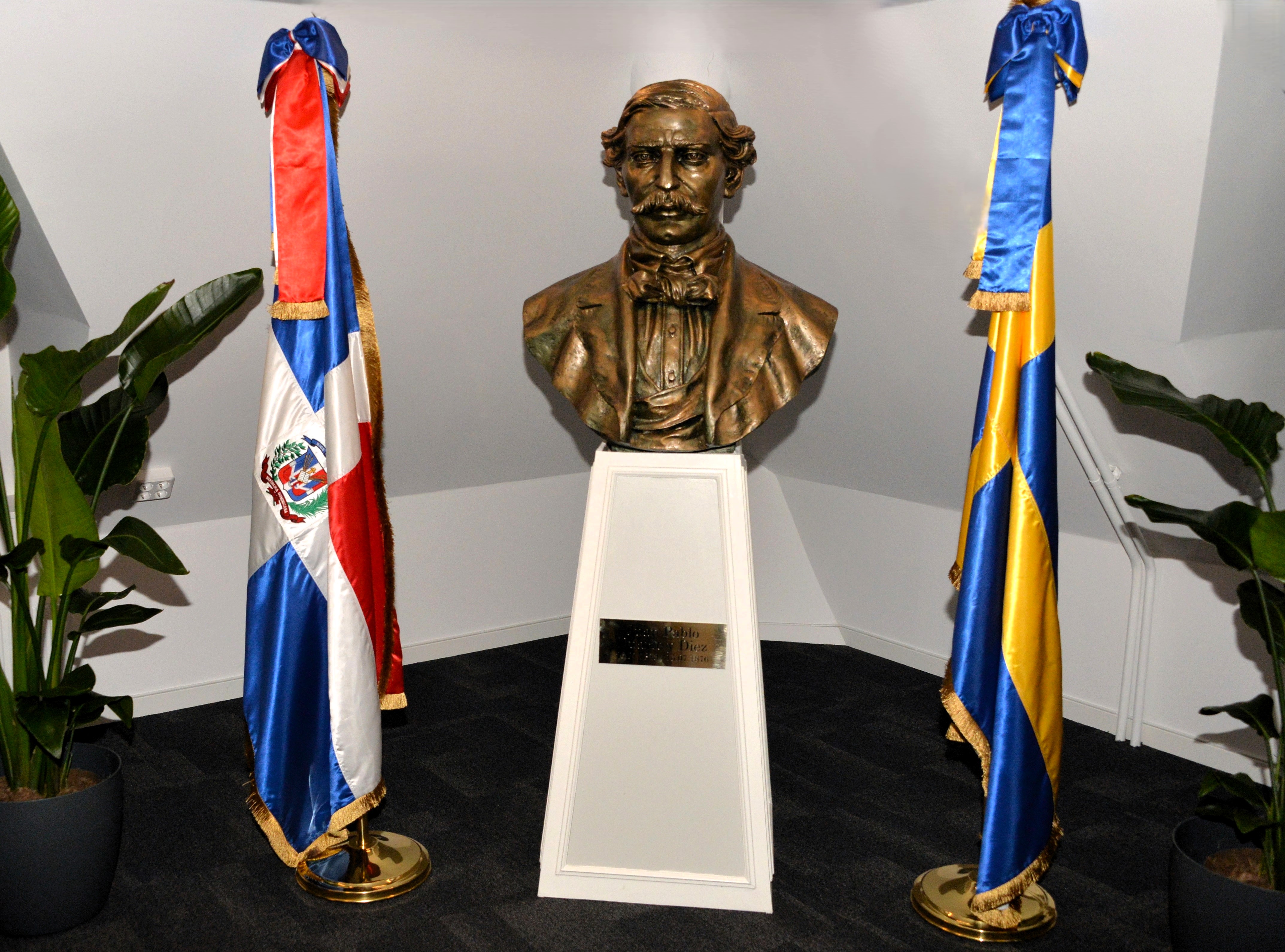
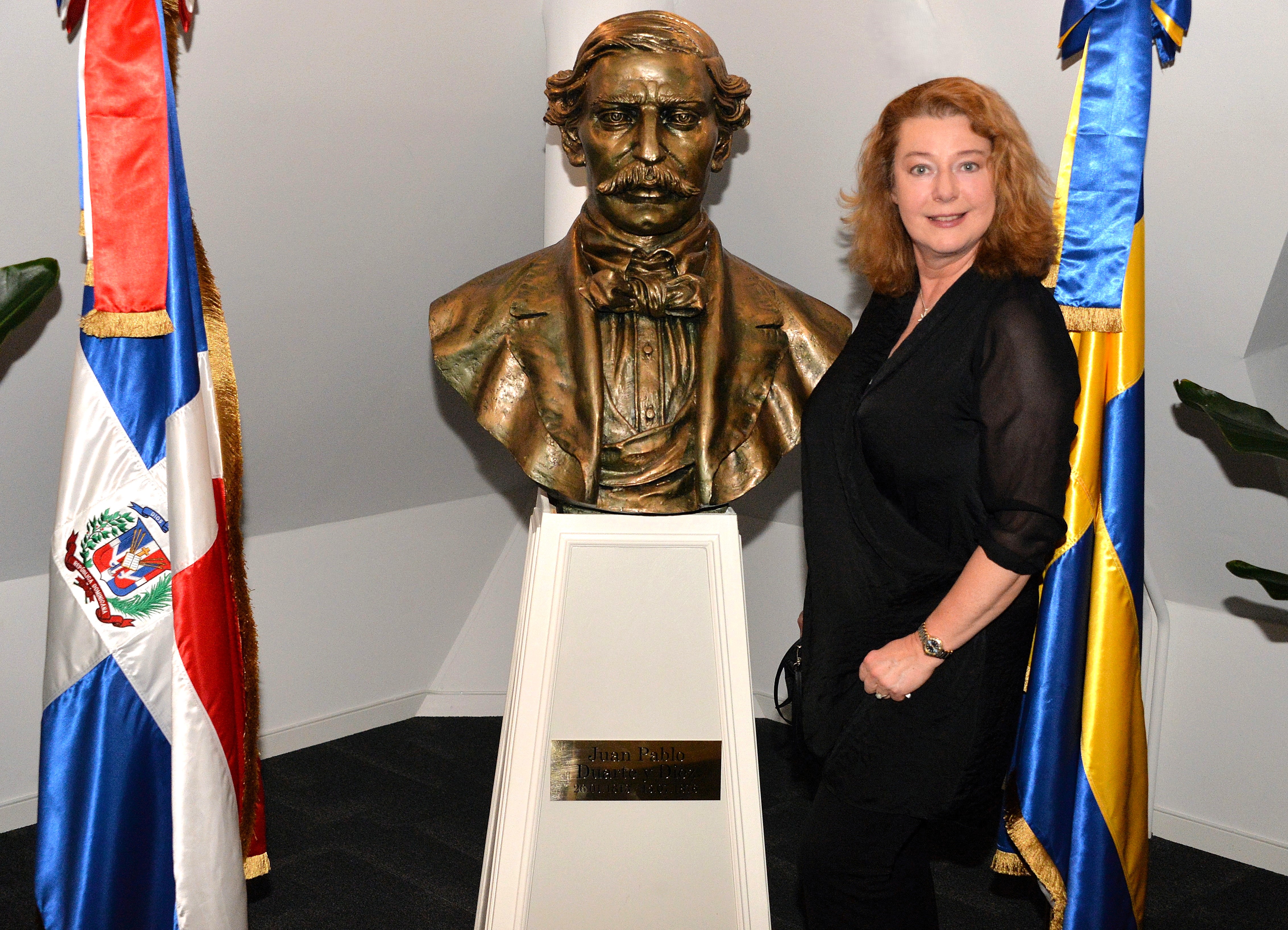
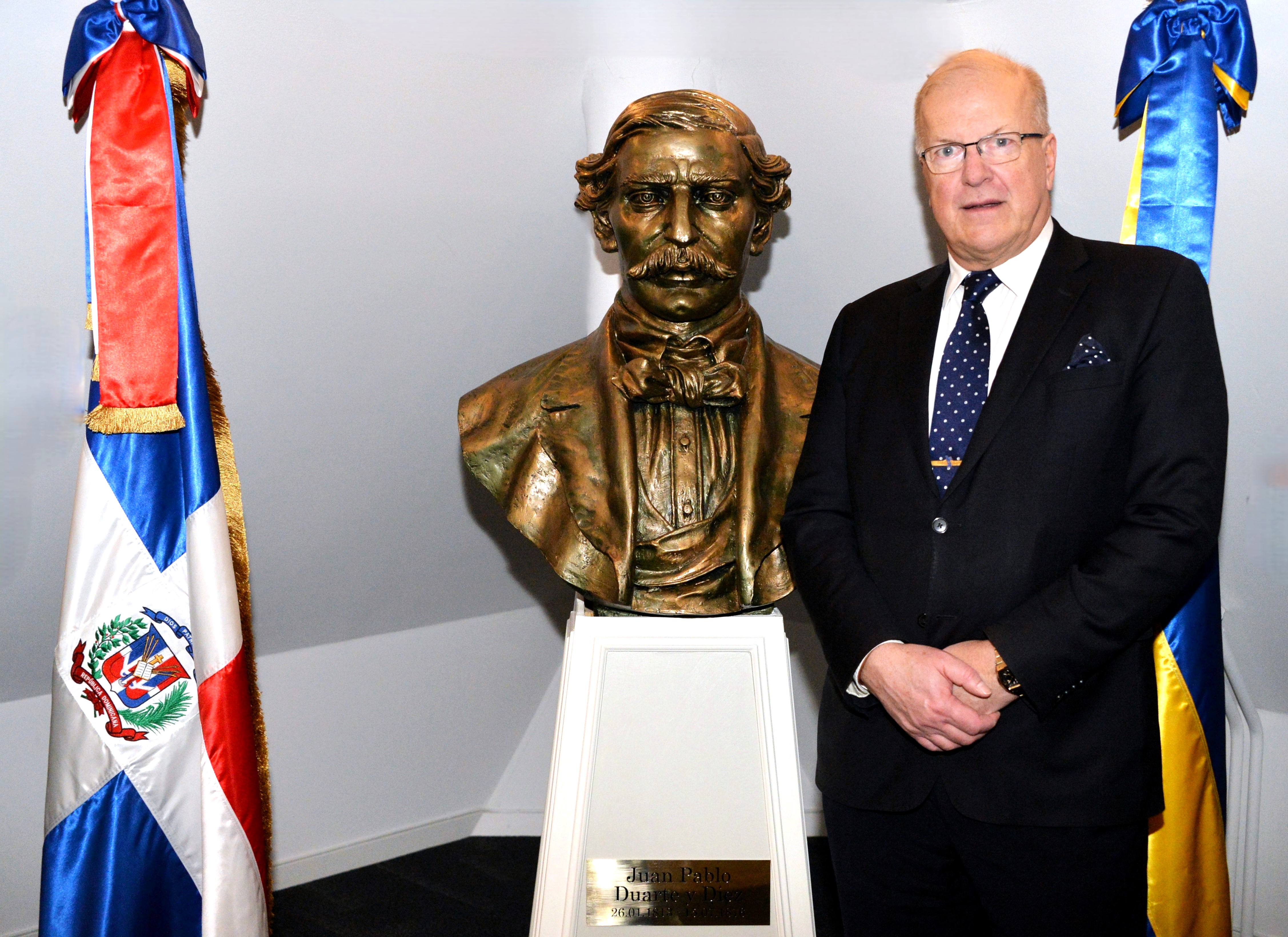
The Embassy of the Dominican Republic in Sweden had the honor of inviting us to the solemn ceremony of unveiling the bronze bust of the Father of the Nation, Juan Pablo Duarte, a symbol of the identity and struggle for independence. The event took place on February 18 at 17:00 – 19:00, at the Embassy of the Dominican Republic. It was a moment of great significance for the community. We payed tribute to the memory of a hero whose legacy continues to inspire generations.
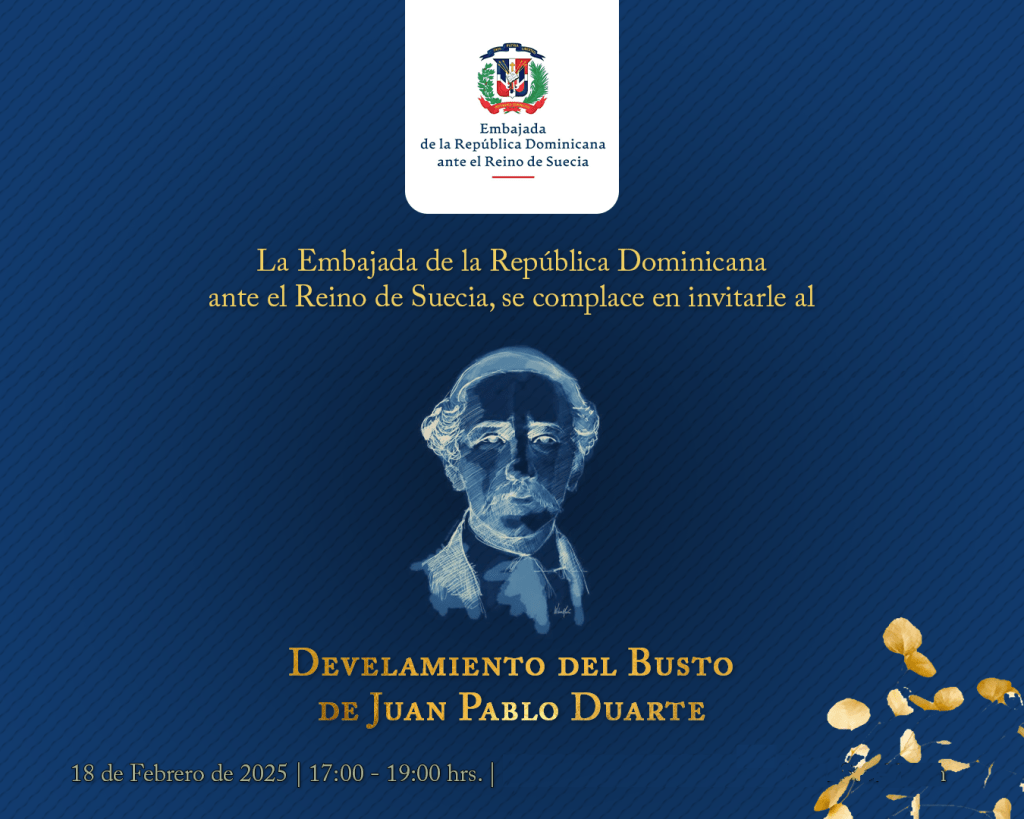
Juan Pablo Duarte y Díez (January 26, 1813 – July 15, 1876) was a Dominican military leader, writer, activist, and nationalist politician. He is recognized as the foremost of the Founding Fathers of the Dominican Republic and holds the title Father of the Nation. As one of the most celebrated figures in Dominican history, Duarte is considered a folk hero and a revolutionary visionary.
Together with military generals Ramón Matías Mella and Francisco del Rosario Sánchez, he founded La Trinitaria, a secret society that played a crucial role in organizing the Dominican revolt. This movement ultimately led to the nation’s independence from Haitian rule in 1844, marking the beginning of the Dominican War of Independence.
Born into a middle-upper-class family in 1813, Juan Pablo Duarte’s childhood was shaped by significant political changes in Santo Domingo. As a toddler, he lived through the period known as España Boba, which ended with José Núñez de Cáceres’ proclamation of the first independence of Santo Domingo in 1821. Shortly afterward, Haitian President Jean-Pierre Boyer invaded the country, imposing a military occupation that lasted 22 years, marked by economic and social repression.
Duarte’s thirst for knowledge and vision for progress led him to Europe, where he deepened his liberal ideals, forming the foundation for an independent Dominican state. Upon his return, he dedicated himself to education, transforming his father’s business into an improvised school to instill revolutionary enlightenment in his contemporaries. In 1834, Duarte joined the Haitian National Guard, eventually attaining the rank of colonel.
In 1843, Juan Pablo Duarte participated in the Reformist Revolution against Boyer in support of Charles Rivière-Hérard. However, the new president soon turned against him, issuing a manhunt that forced Duarte to flee the island. Meanwhile, his close allies, Francisco del Rosario Sánchez and Matías Ramón Mella, continued the struggle for independence, which was finally achieved on February 27, 1844.
Upon his return, Duarte joined the fight in the Dominican War of Independence and was integrated into the newly formed government. As a member of the Central Governing Board, he initially rejected calls from his supporters to assume the presidency. However, on June 9, 1844, he led the 18 Dominican Brumaire, an attempted political shift aimed at reshaping the government, which resulted in the removal of several officials. Following this, he was appointed the first Inspector General of the National Troops.
Despite his leadership, Duarte’s presidency was proclaimed only in the Cibao region, leading to his political downfall. The ruling government, led by landowner Pedro Santana, declared him a ”traitor and unfaithful to the homeland,” ultimately forcing him into exile.
Duarte lived in exile in Venezuela due to the political and military conflicts in the Dominican Republic, which posed a serious threat to his life. In Venezuela, he was welcomed and considered the country his second home. He maintained a low profile, moving from city to city, but gradually emerged from seclusion by the early 1860s.
In 1862, he returned to Caracas to raise funds and plan his return to the Dominican Republic upon learning of its annexation to Spain. However, when the Dominican Restoration War broke out, President José Antonio Salcedo’s government sent him back to Venezuela as Plenipotentiary Minister to seek support from Venezuelan President Juan Crisóstomo Falcón for the restoration of Dominican independence. Although reluctant, Duarte accepted the mission and carried it out to the best of his ability.
After completing his diplomatic efforts, he remained in Venezuela, where he lived until his death in Caracas on July 15, 1876.



Kategorier:Okategoriserade


 Cawa Media