
Five Colors and Five Tastes
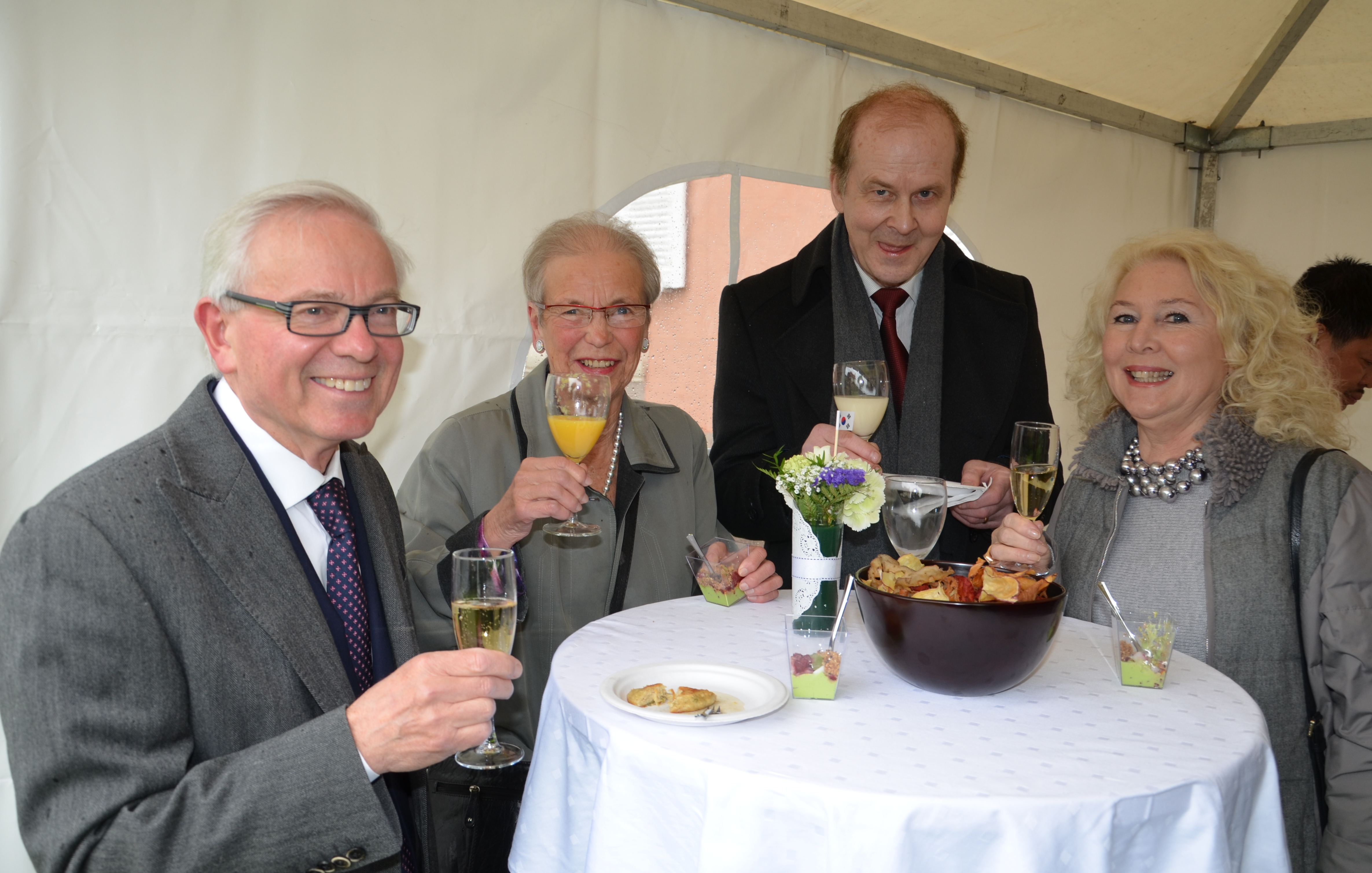
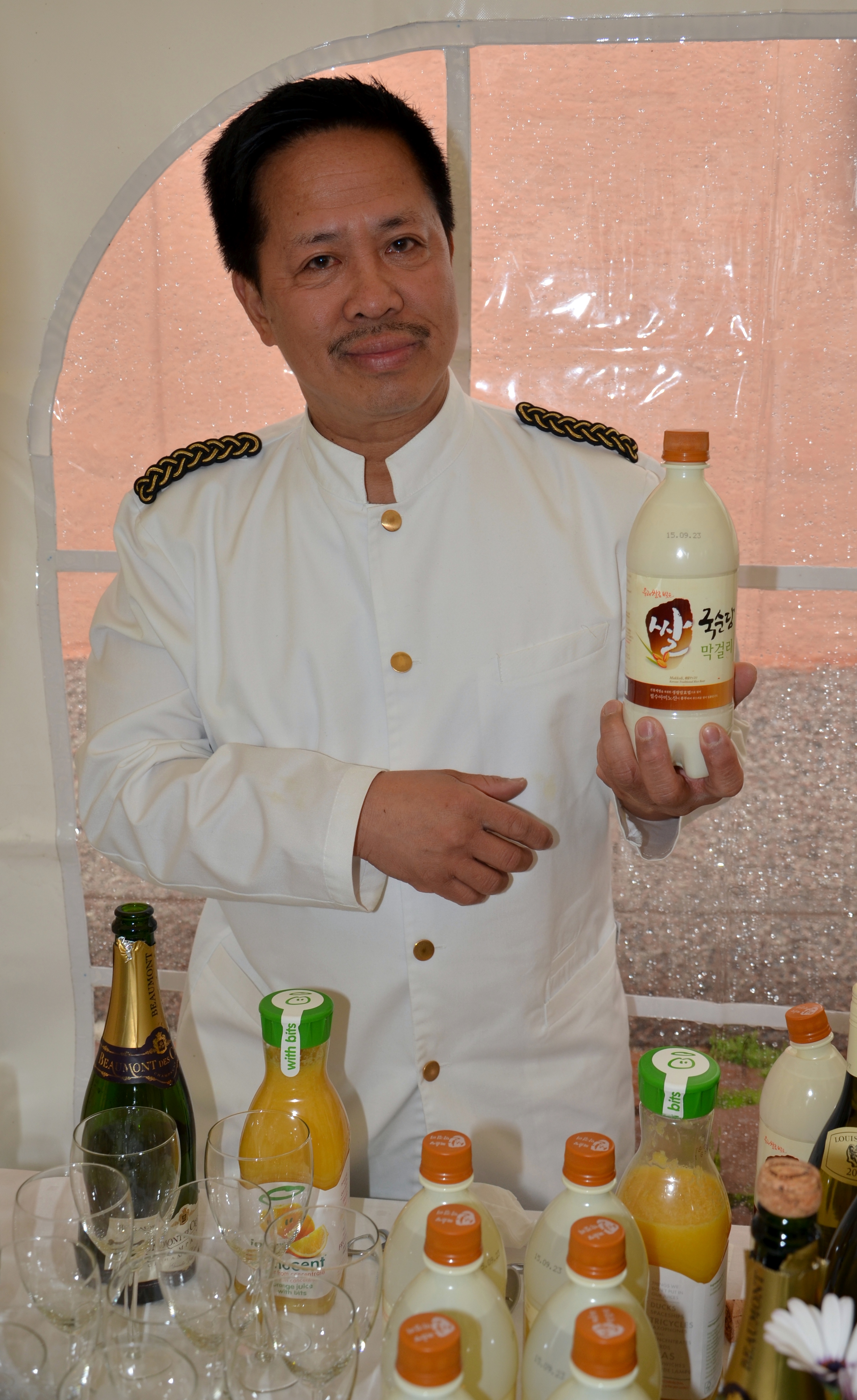
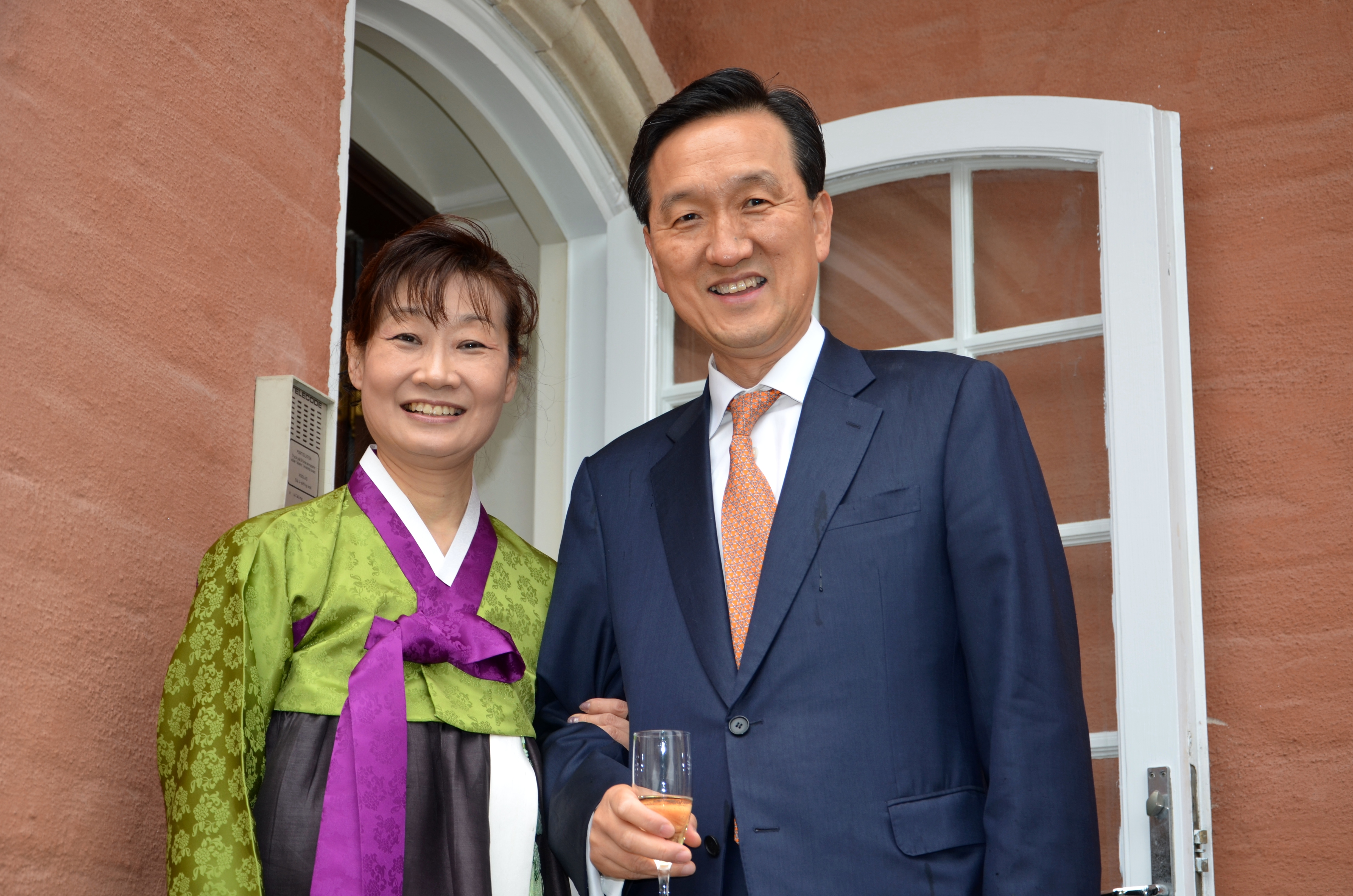
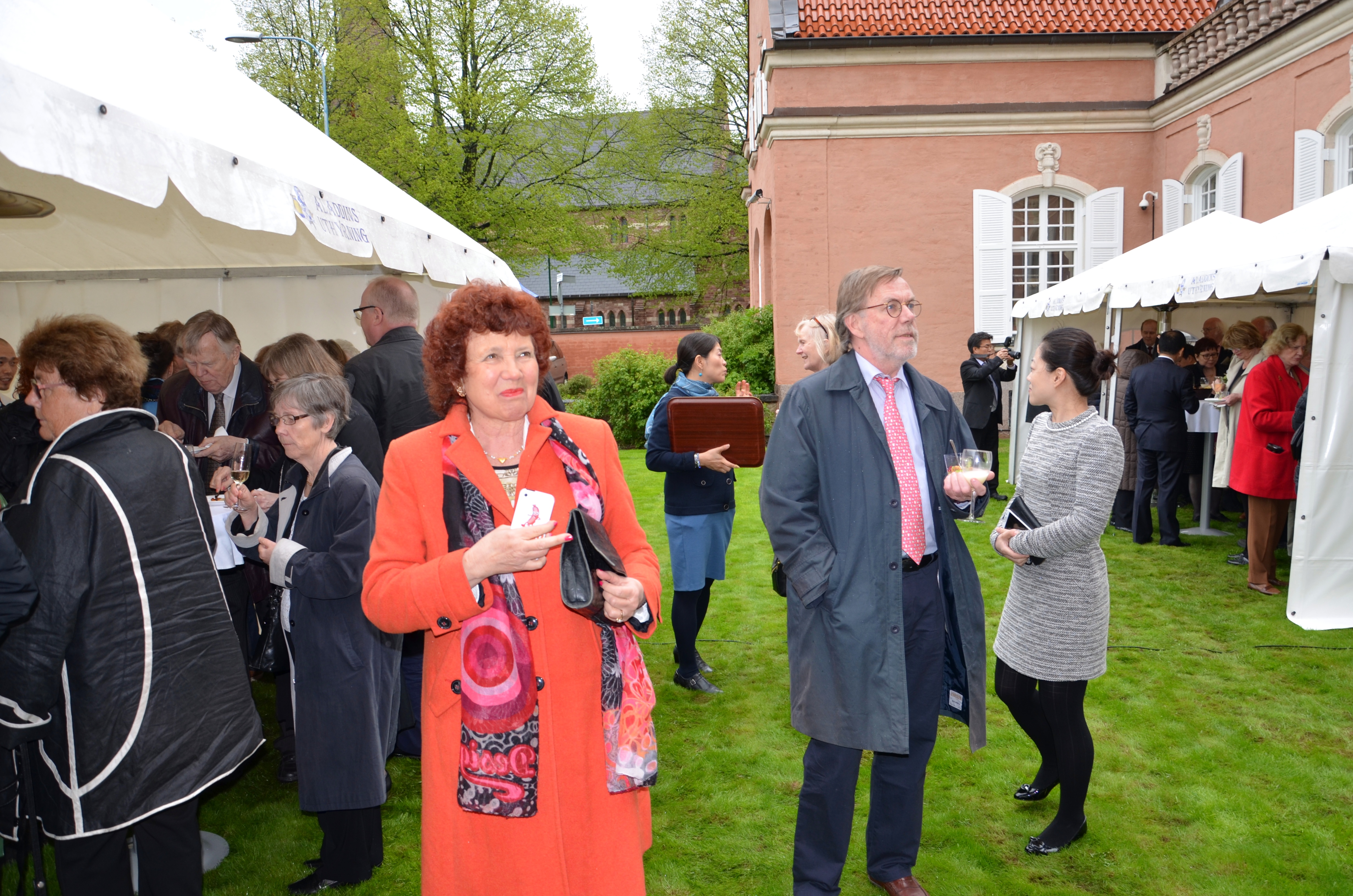
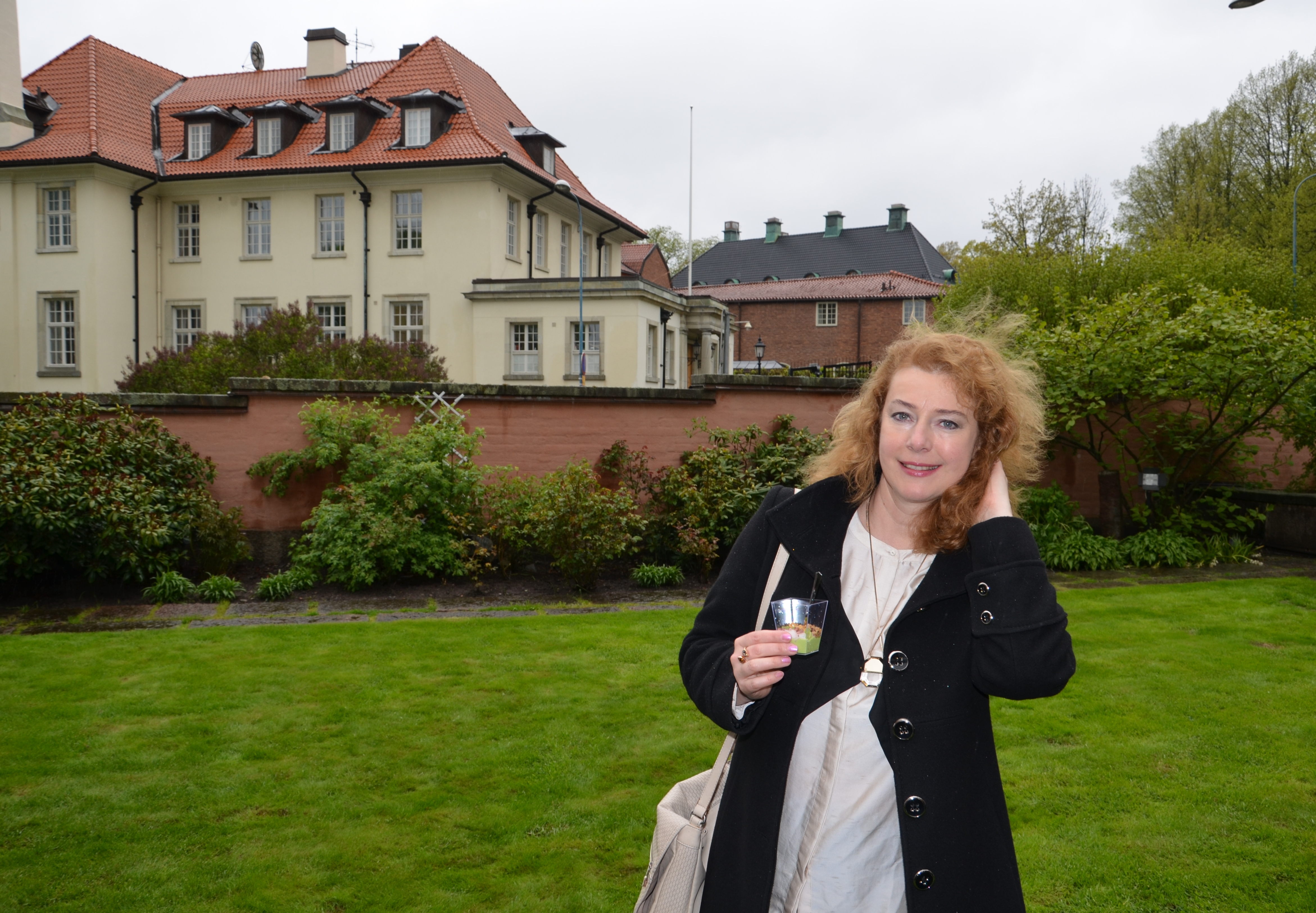
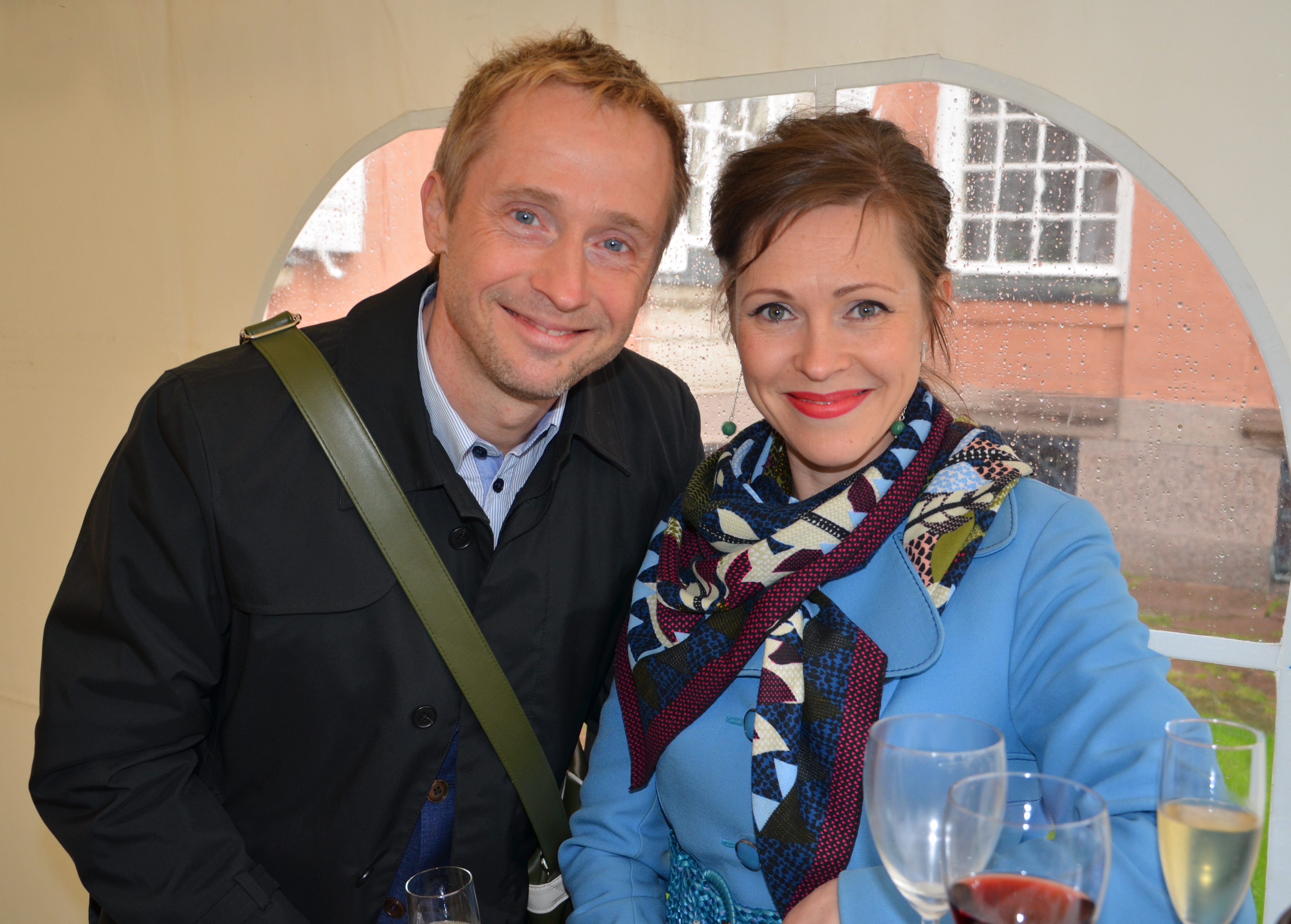
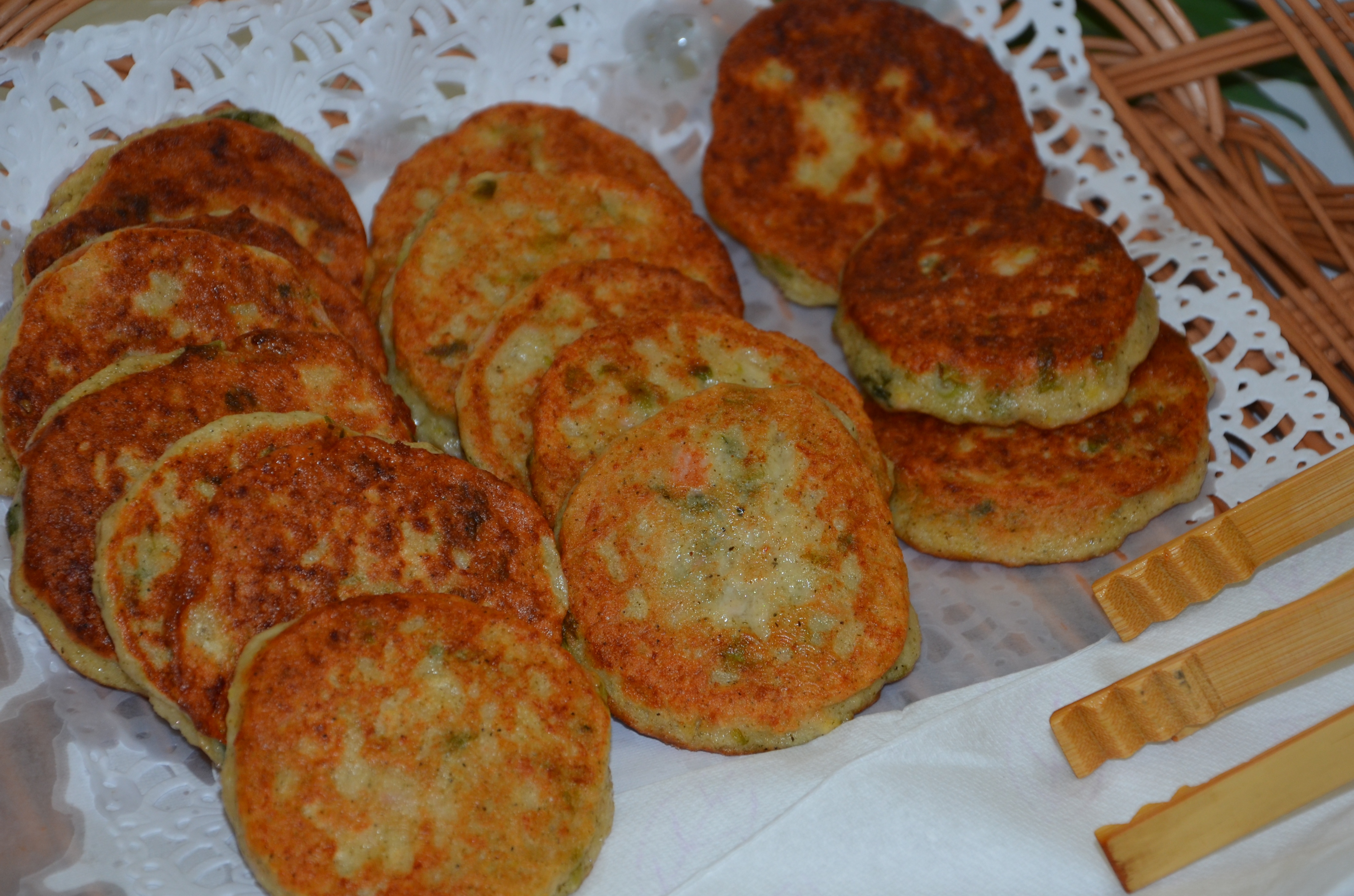
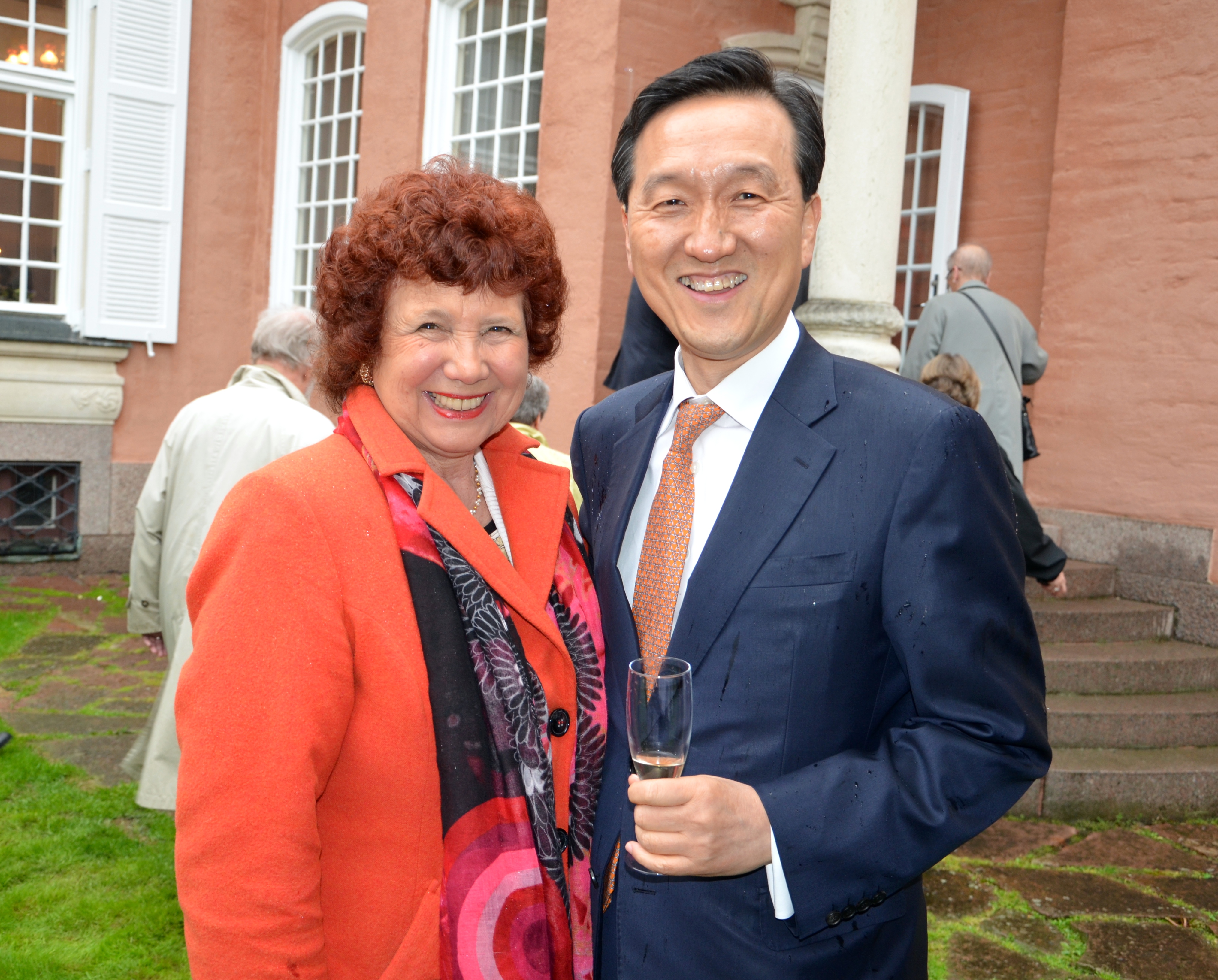
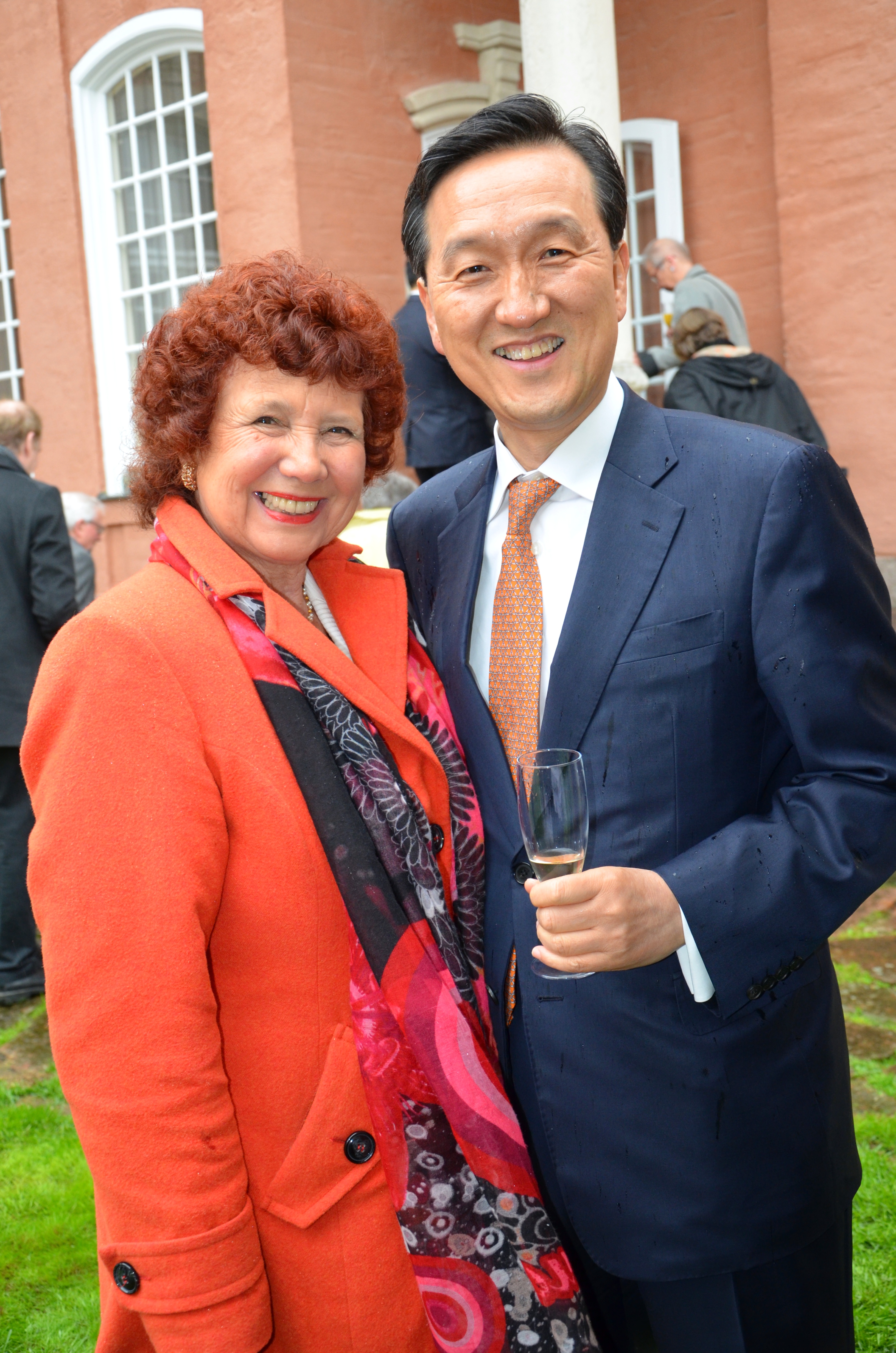
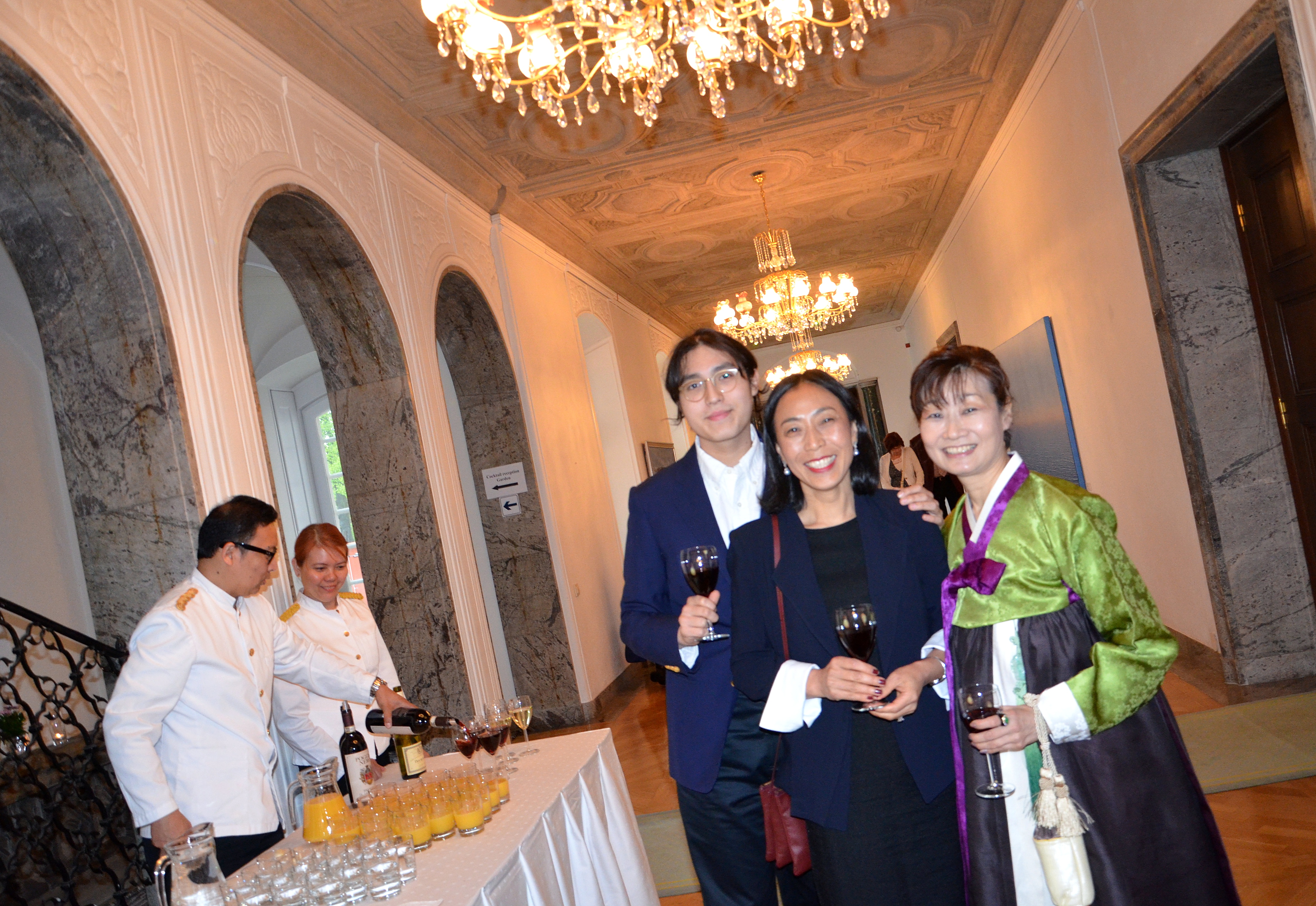
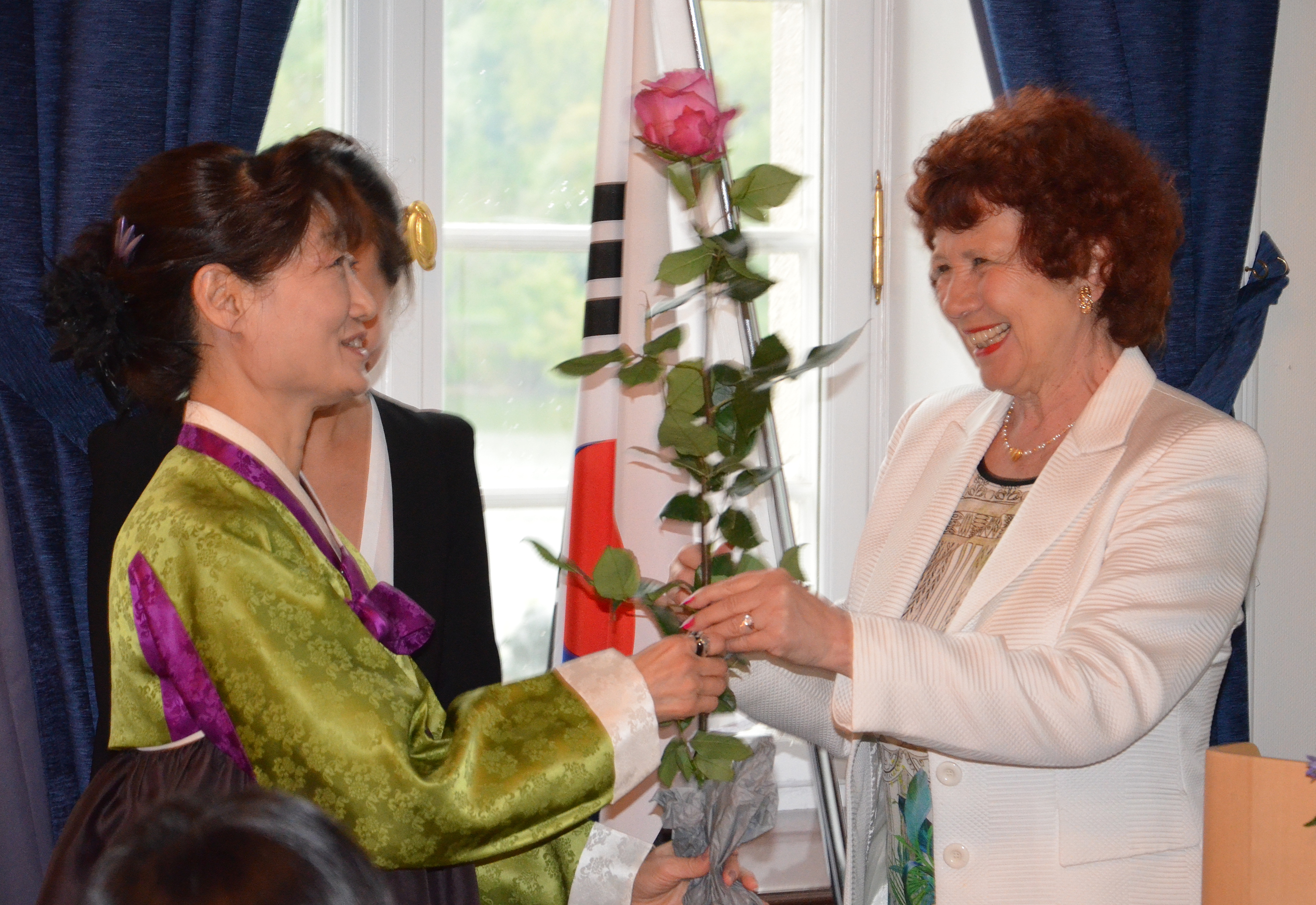
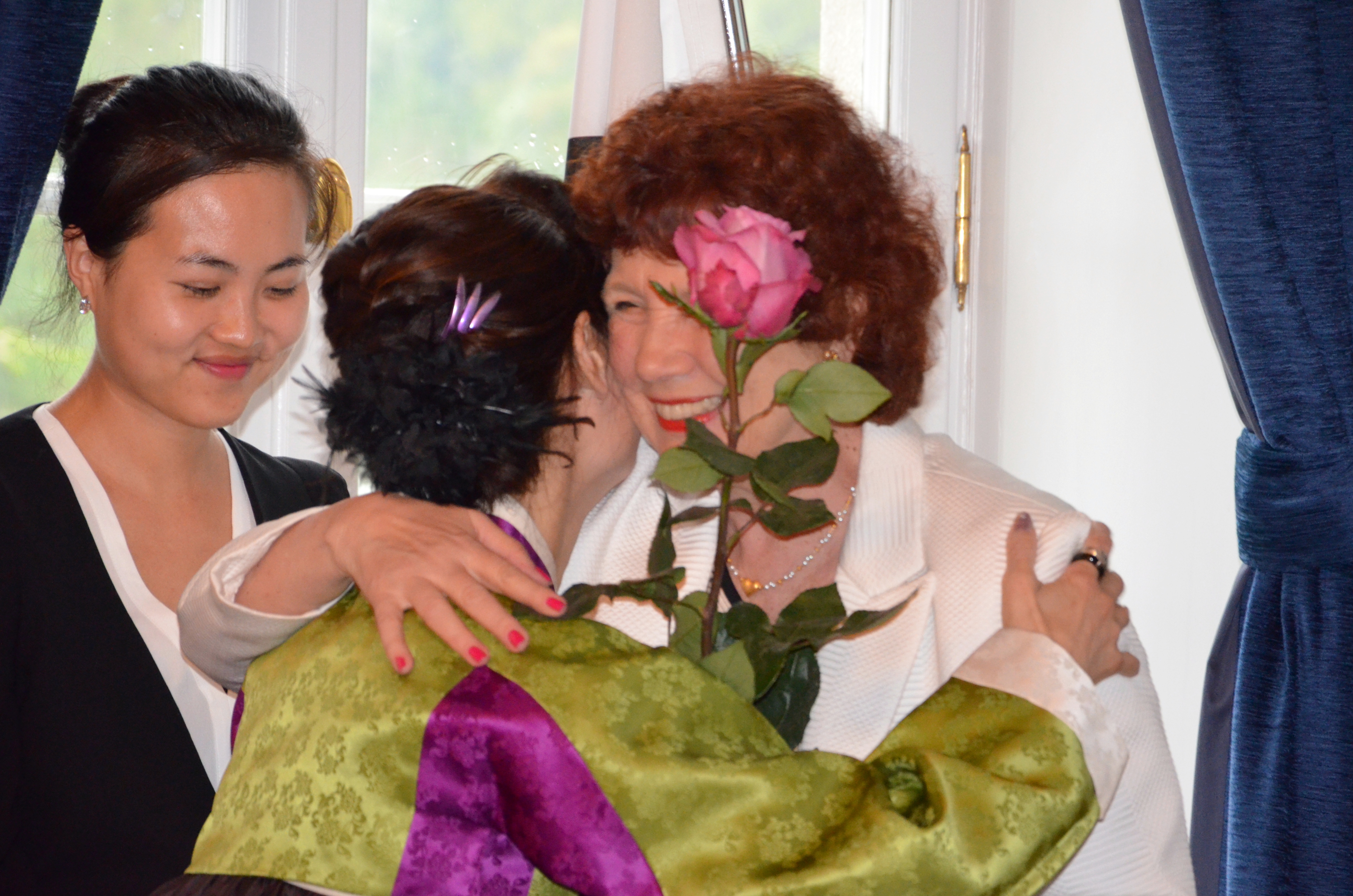
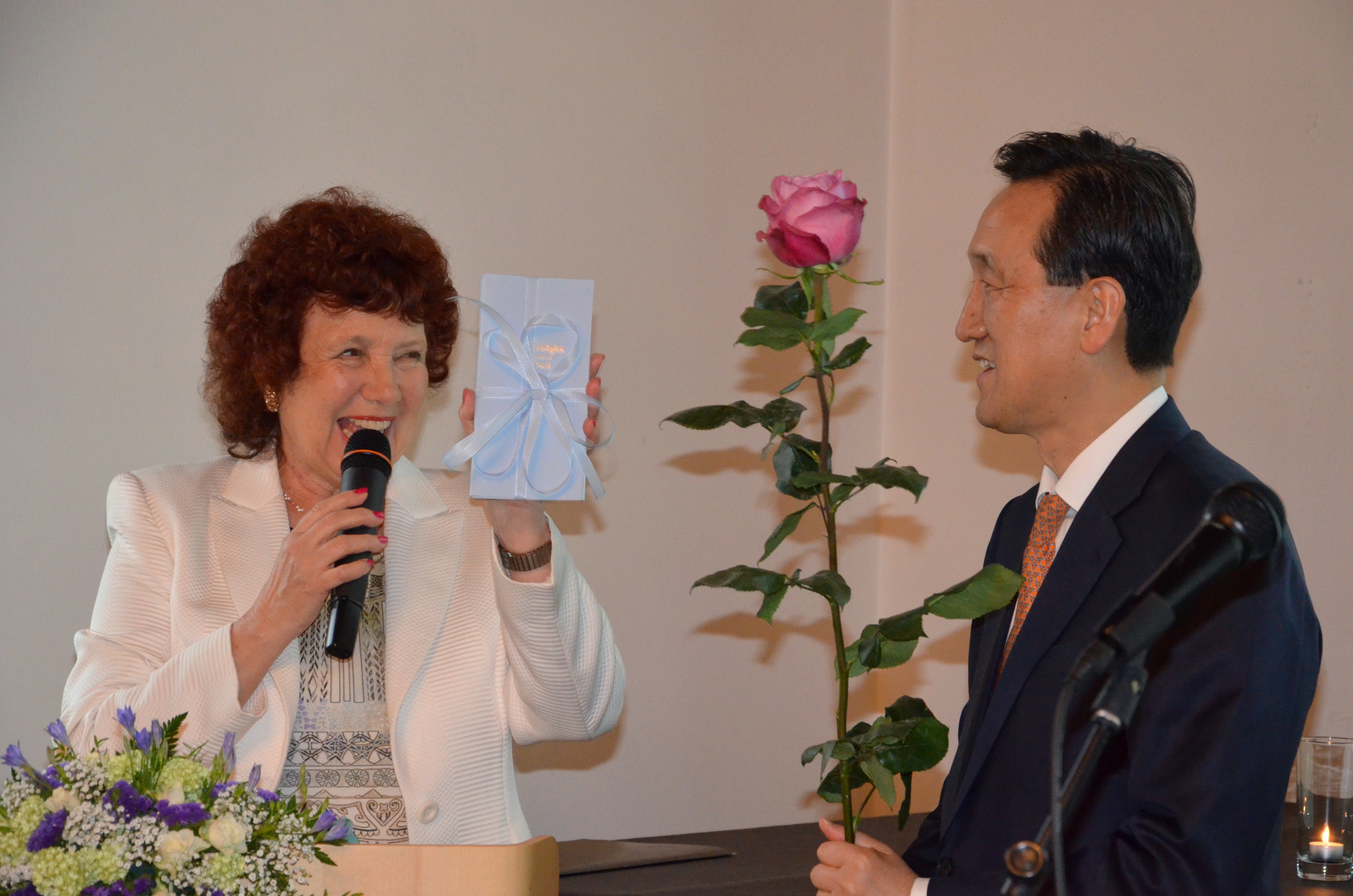
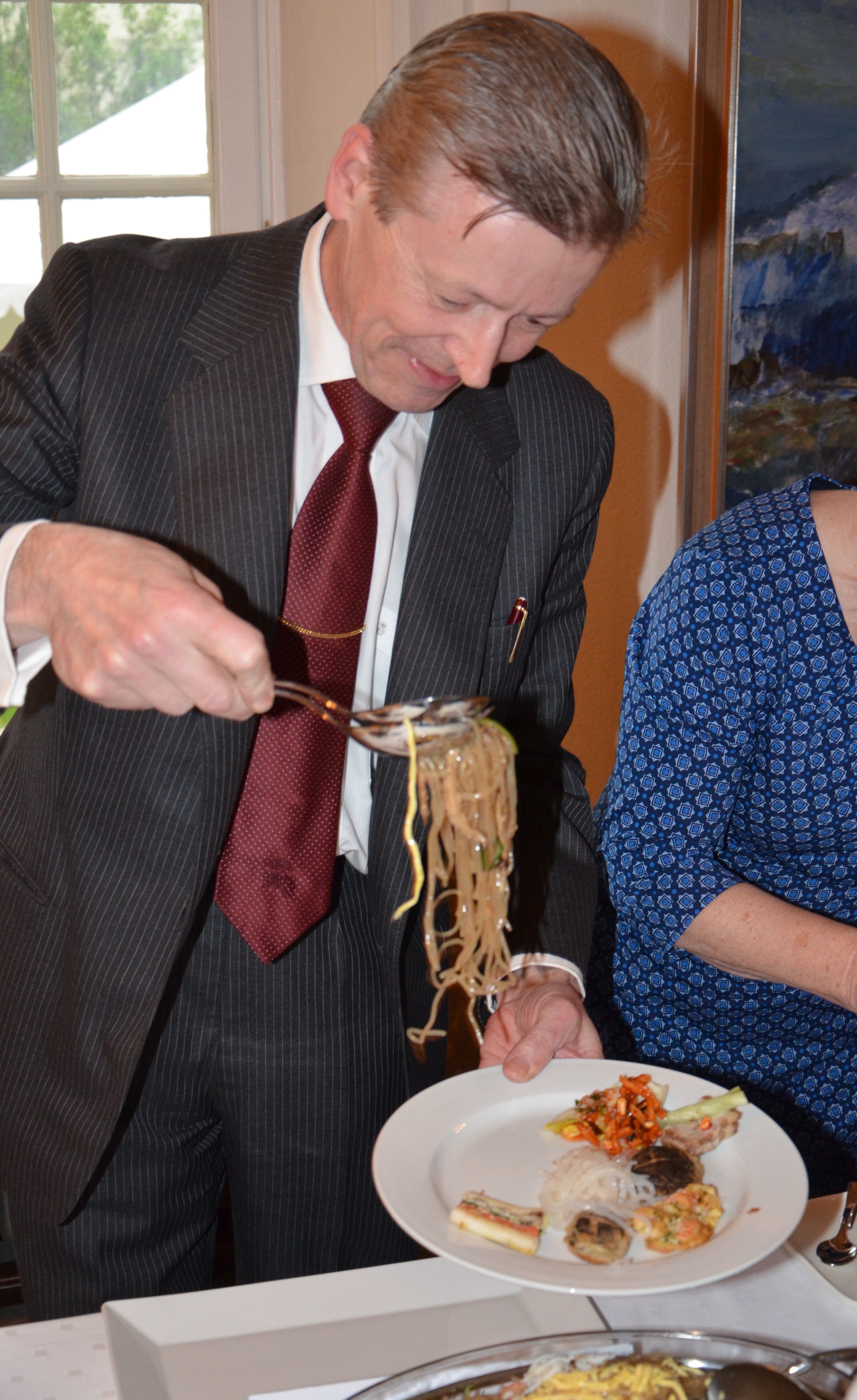
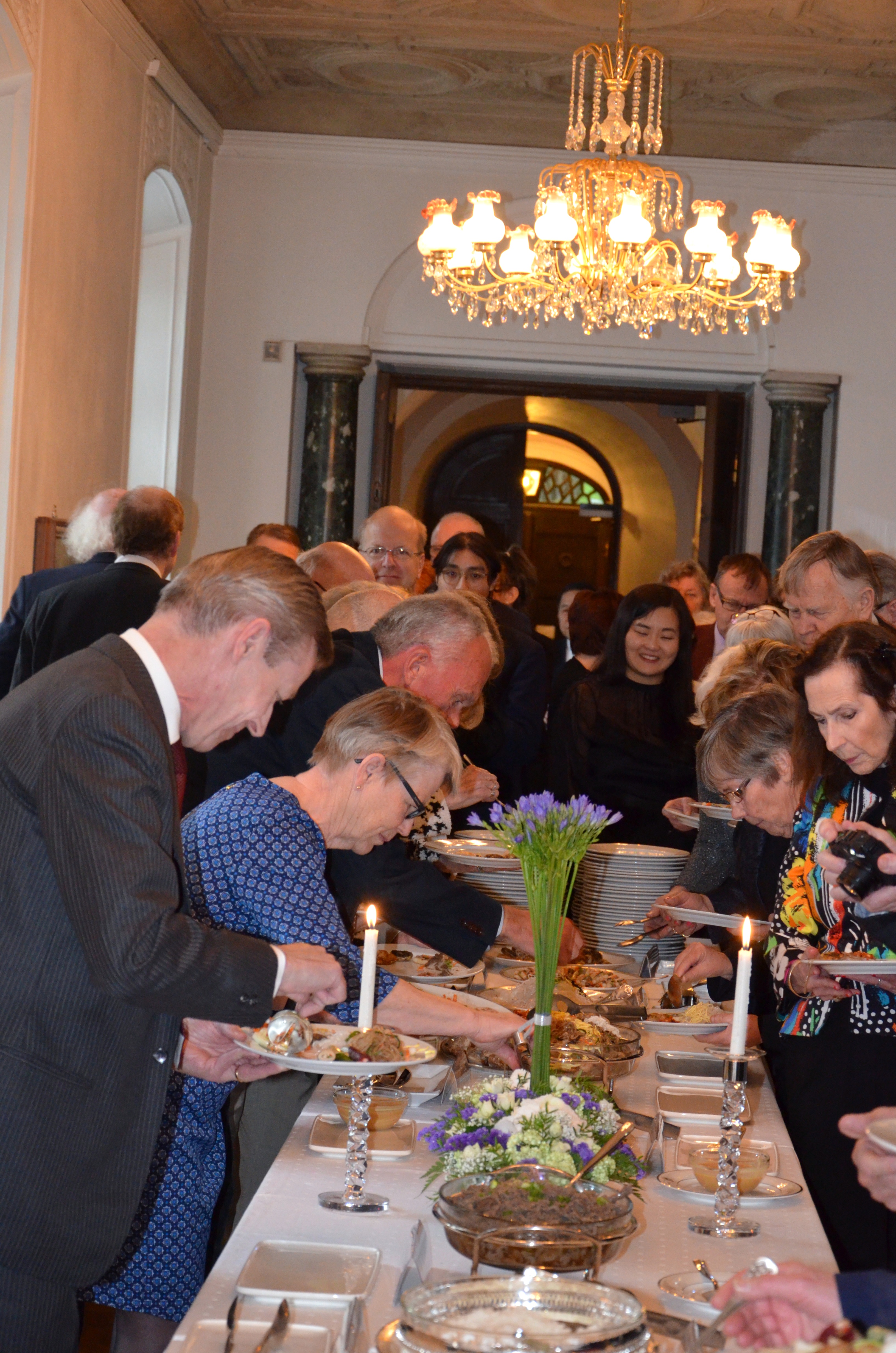
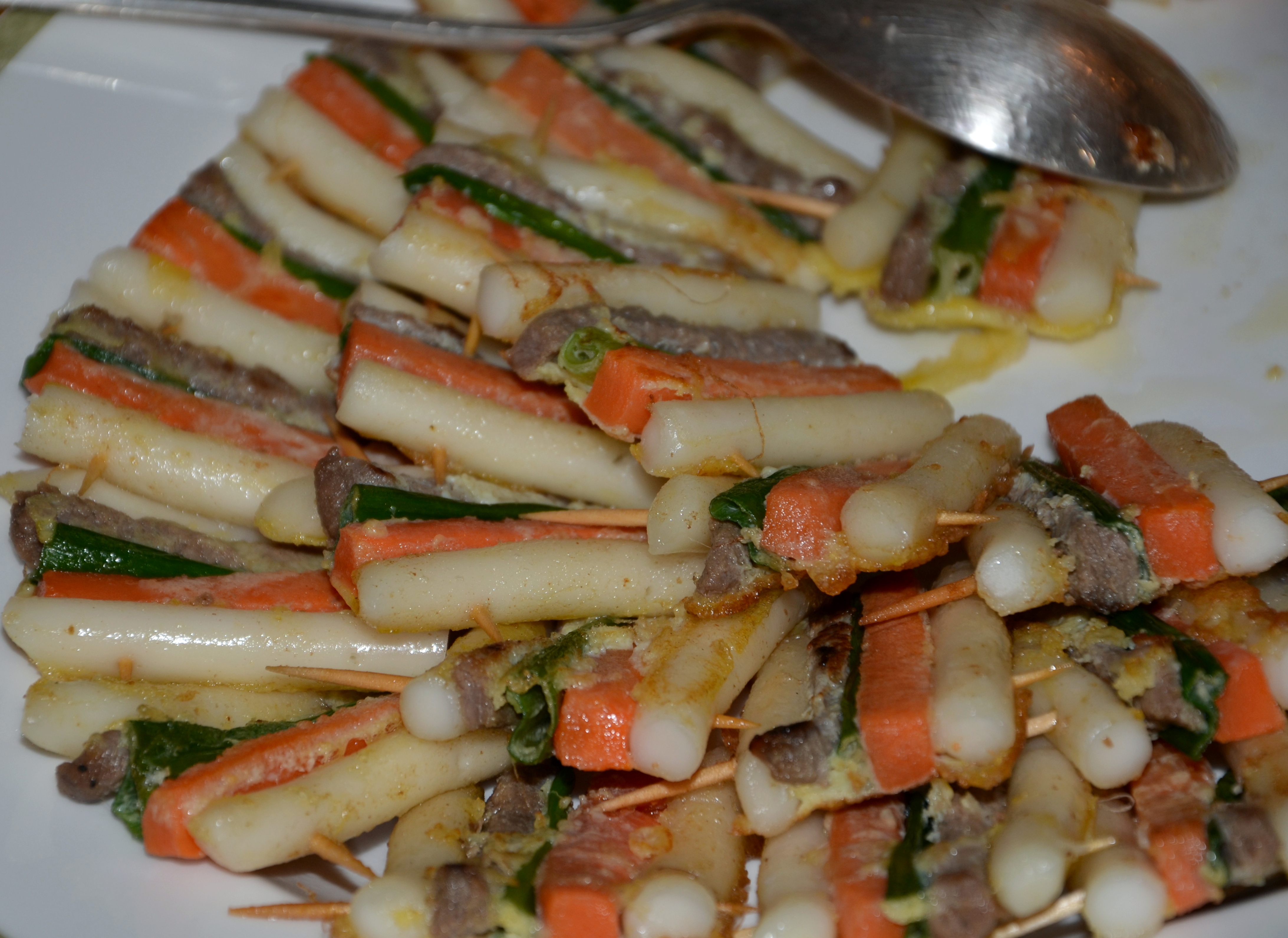
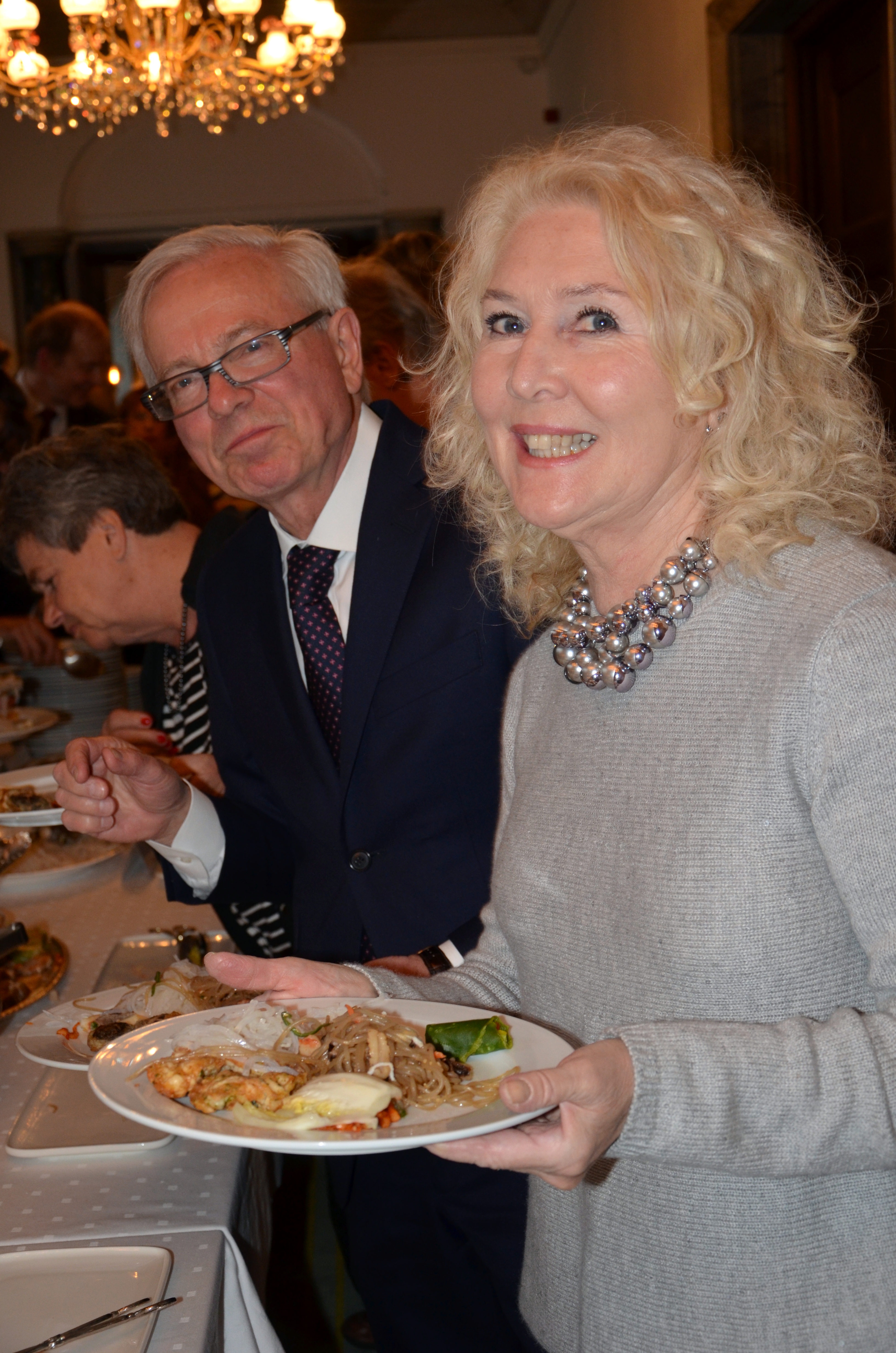
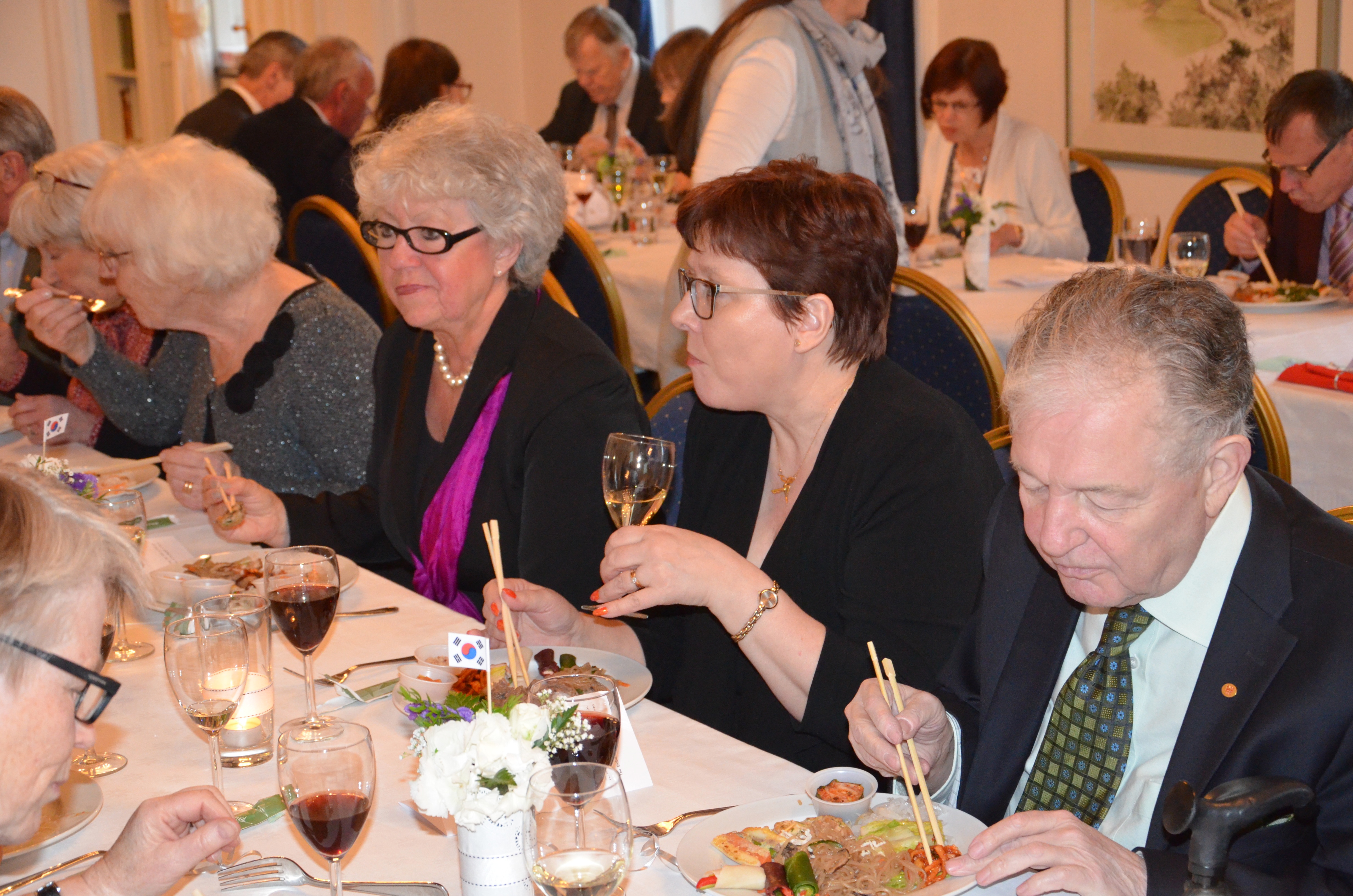
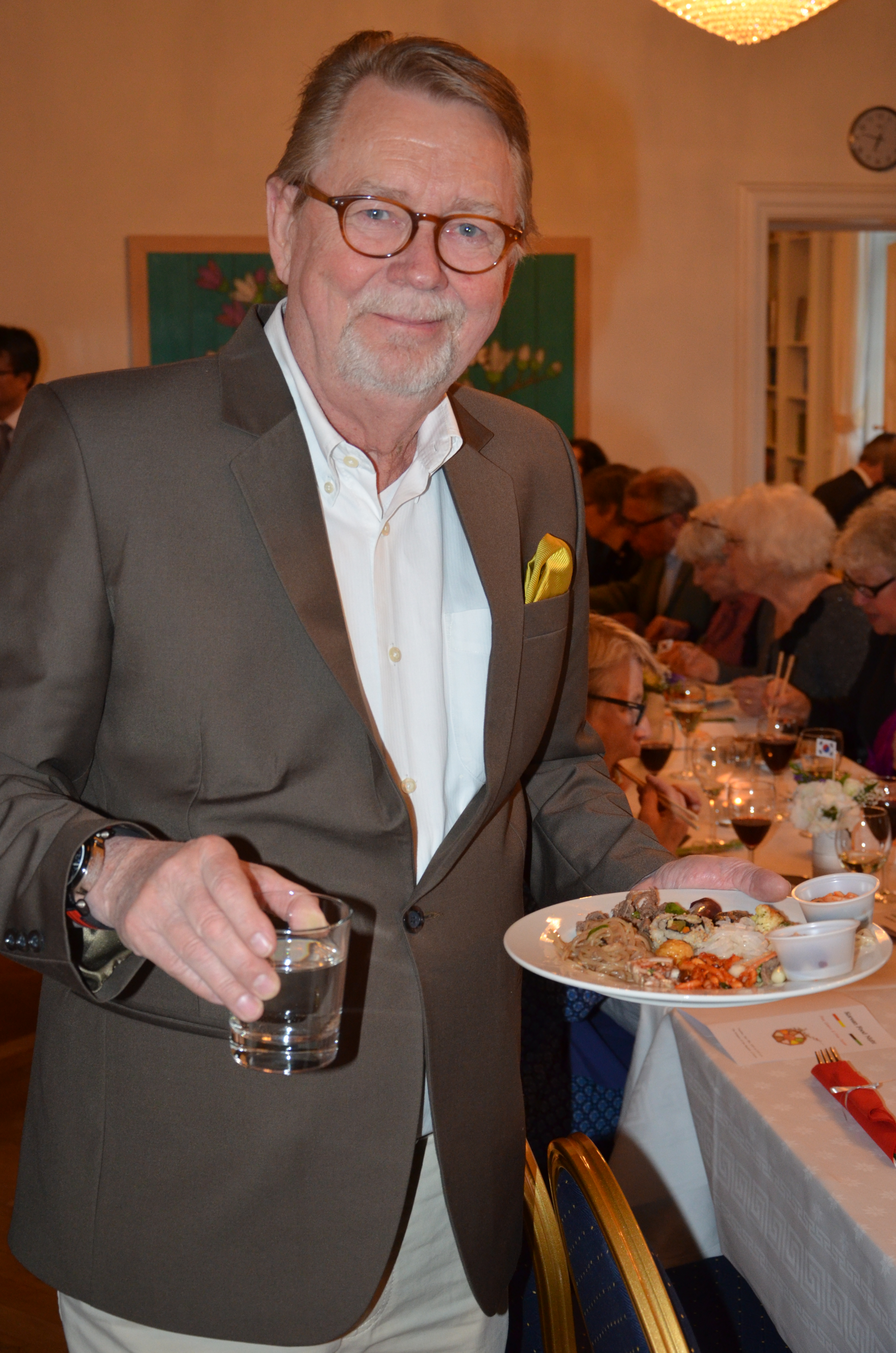
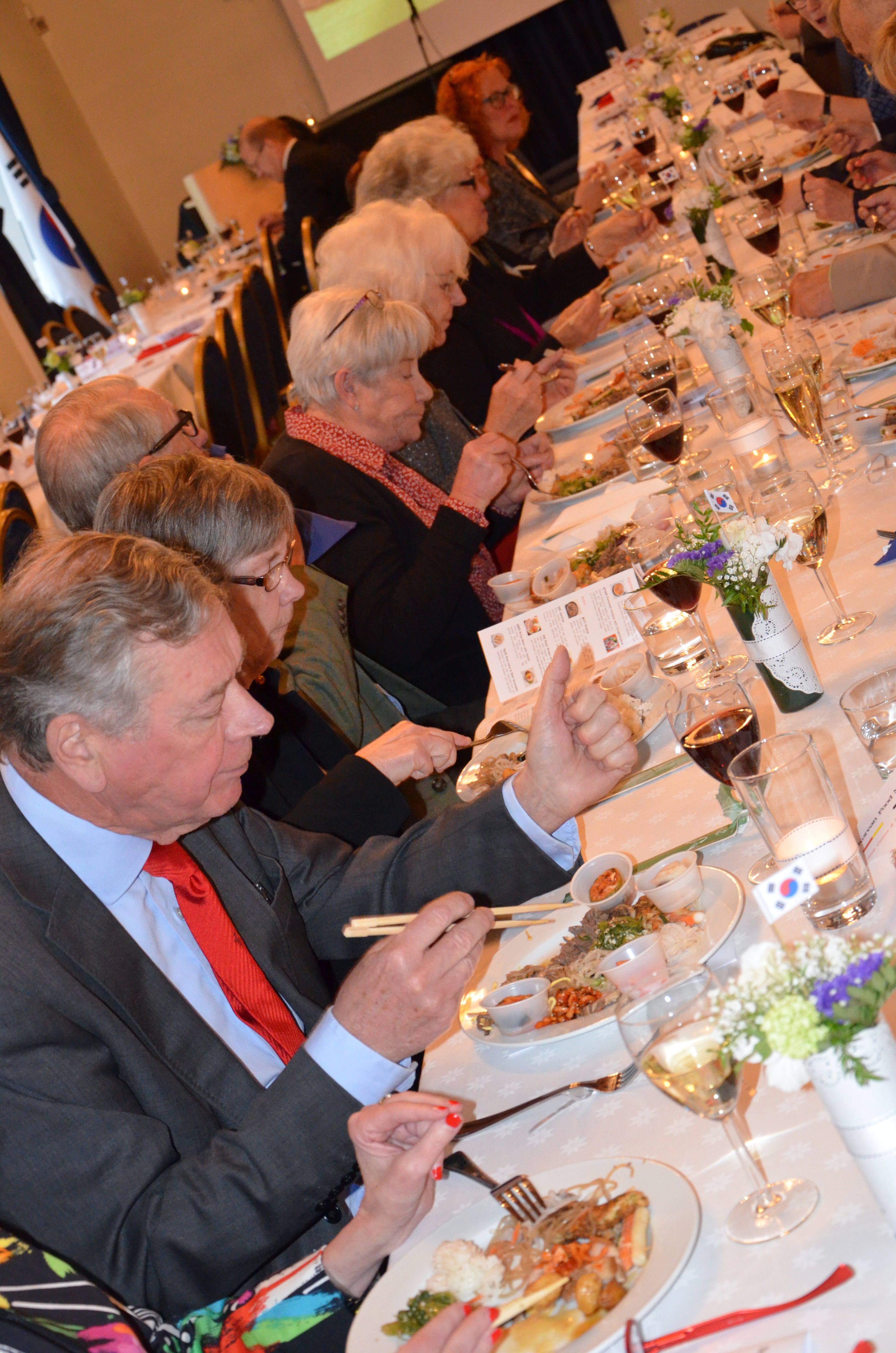
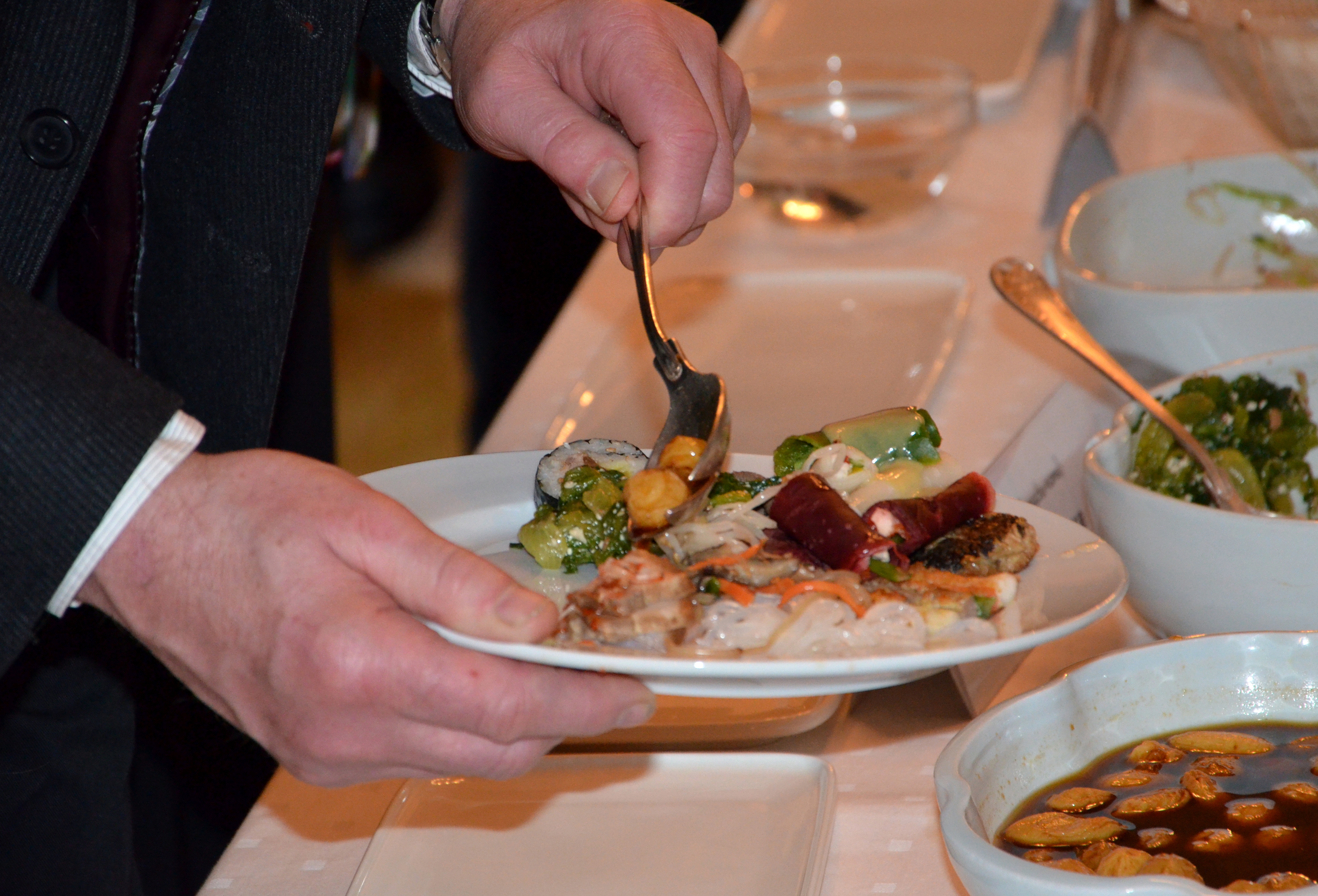
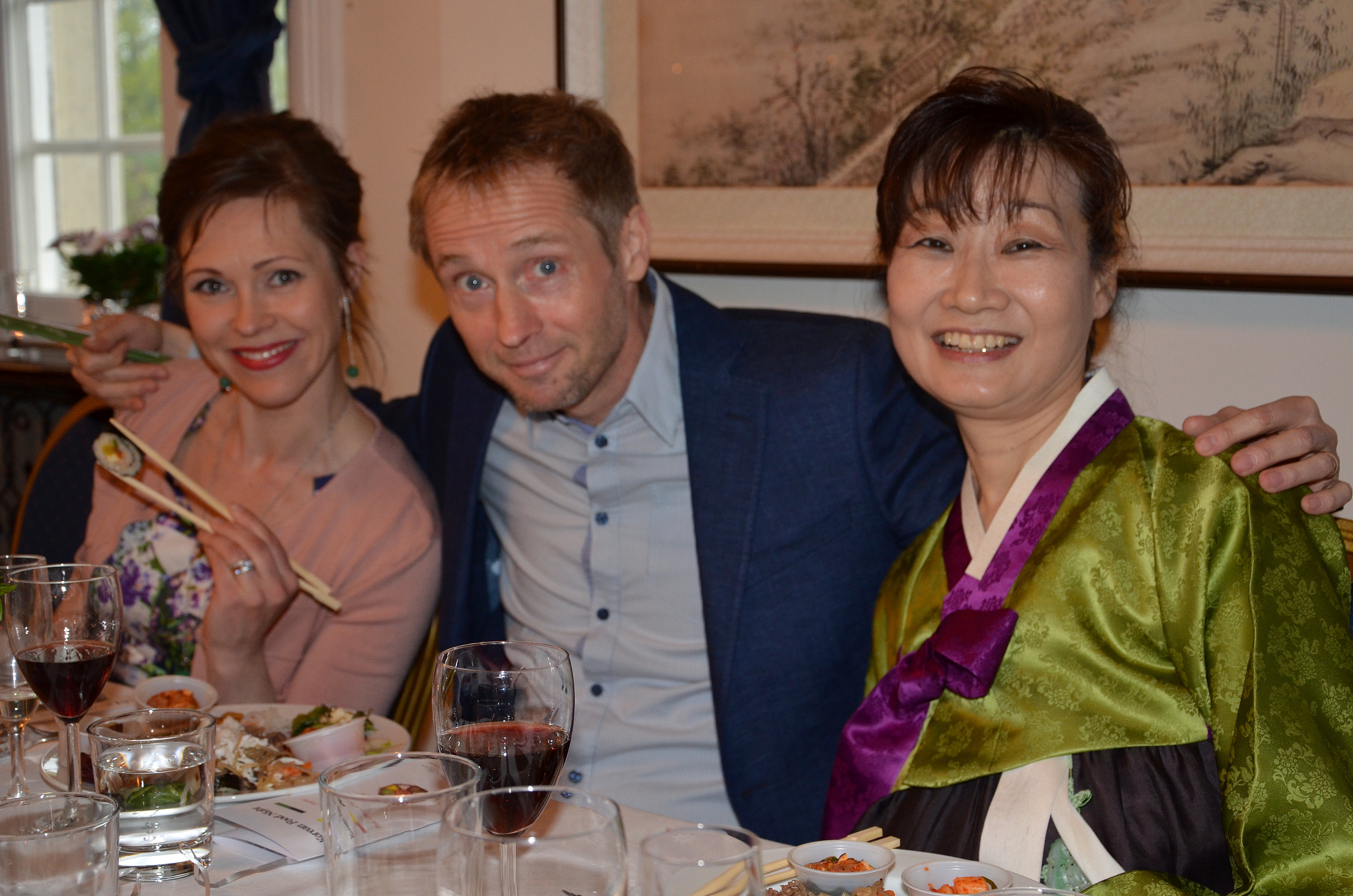
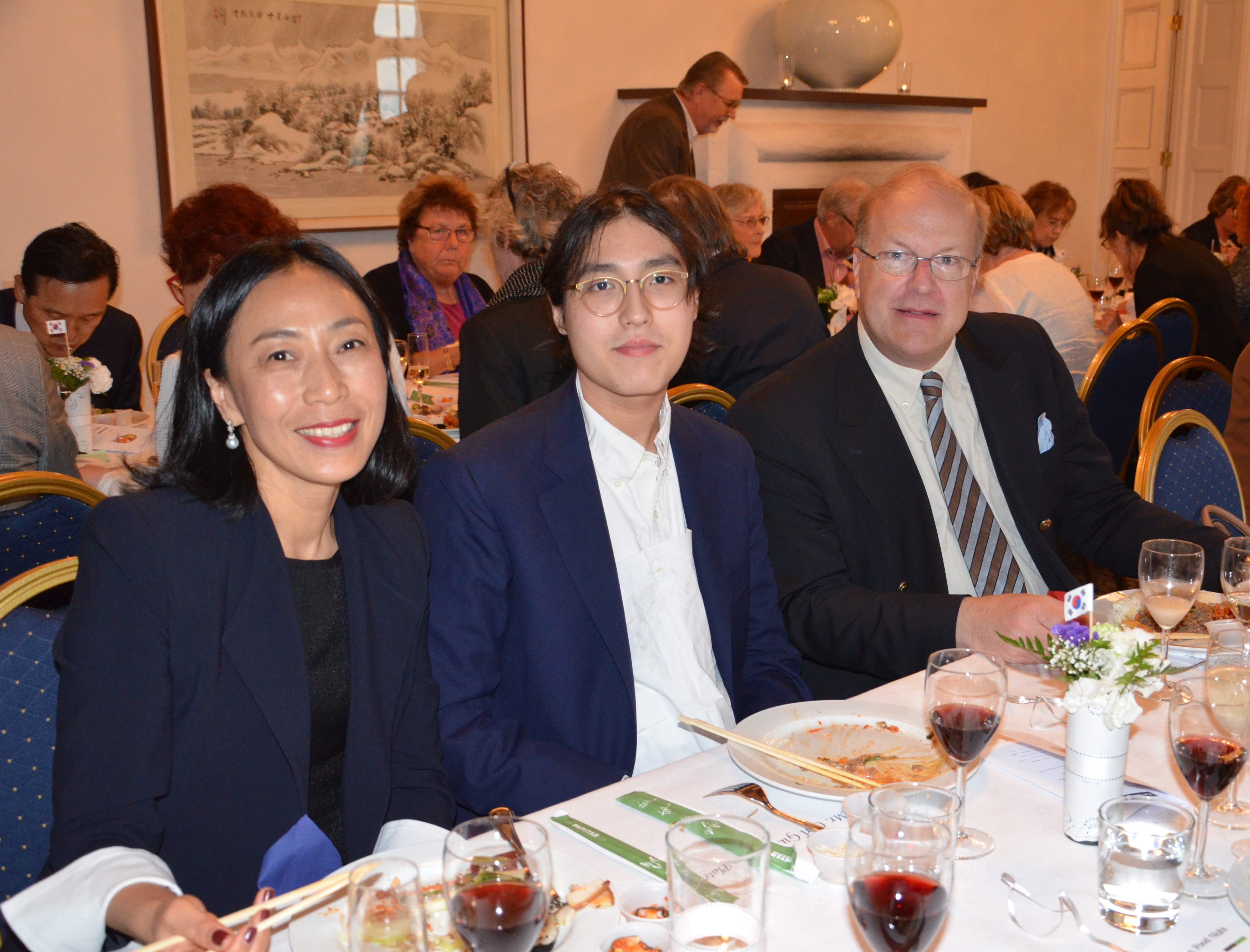
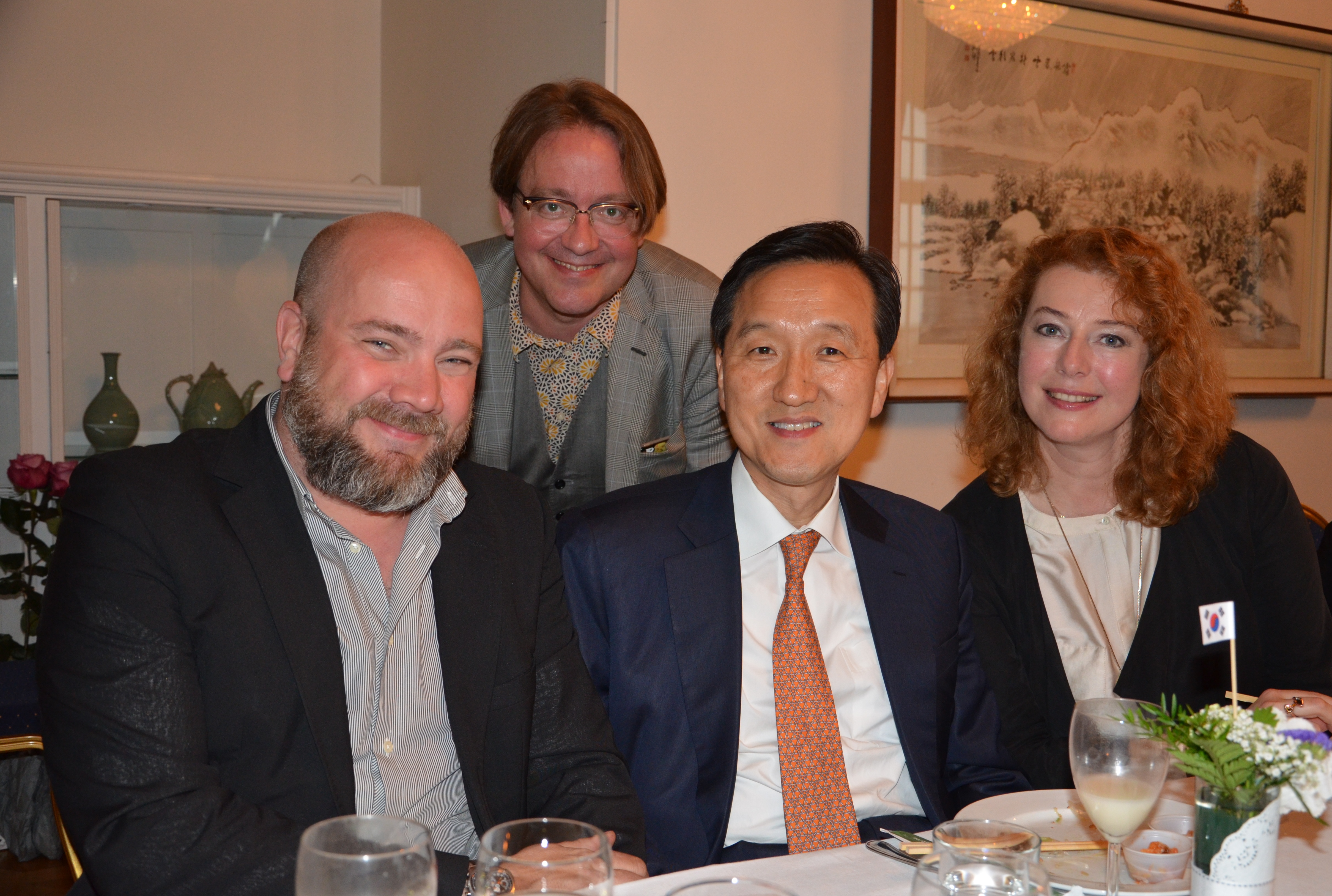
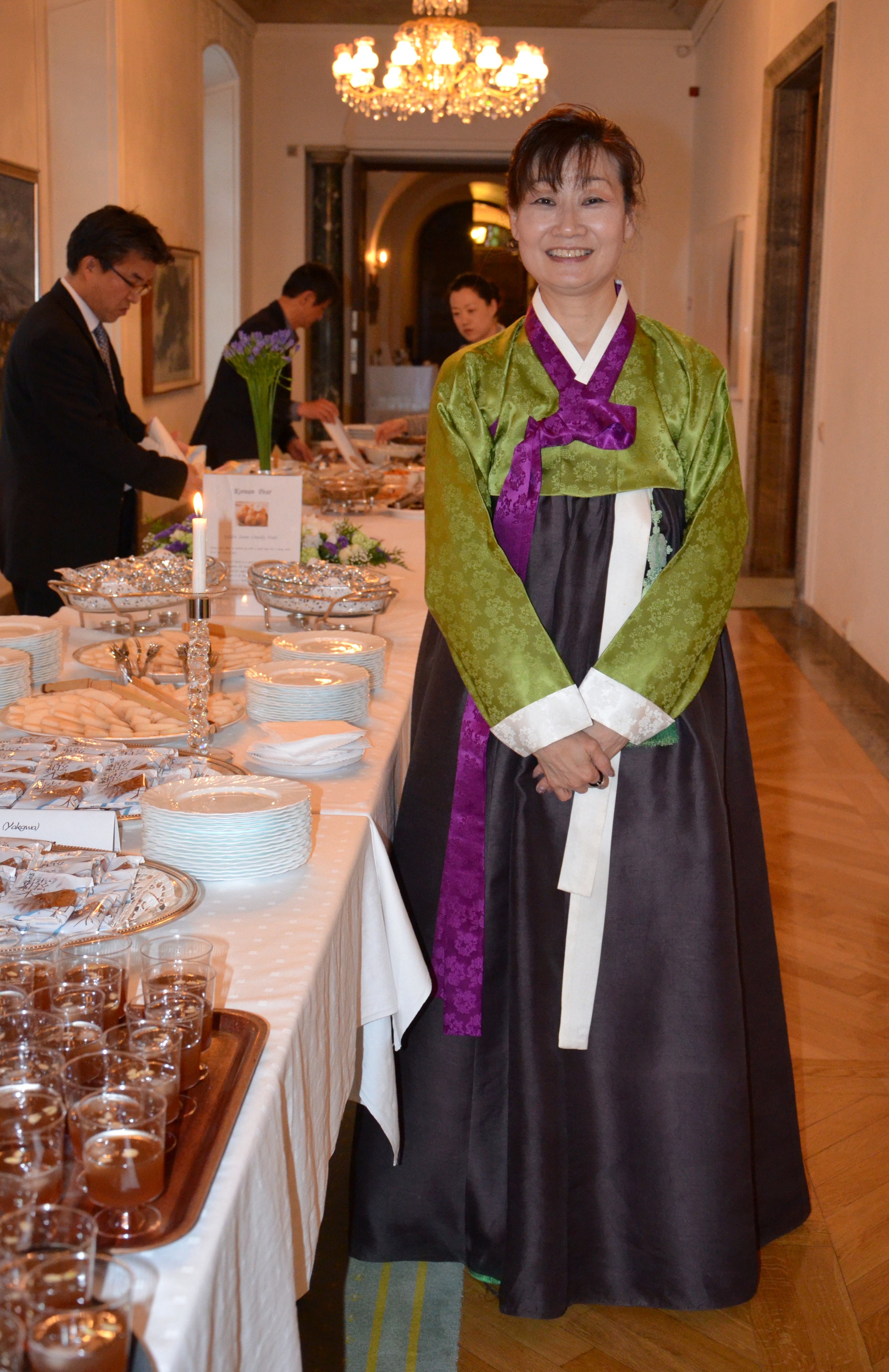
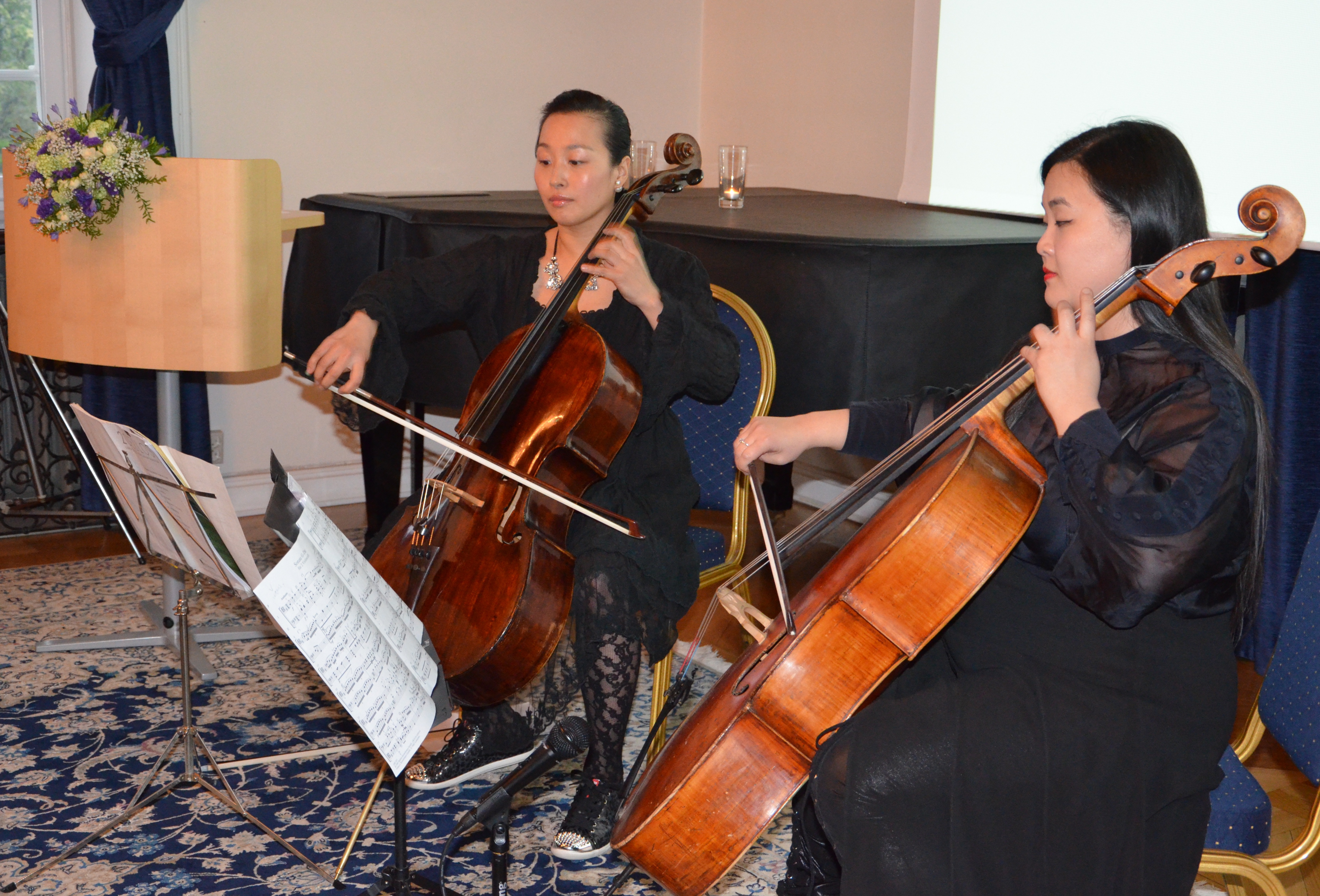
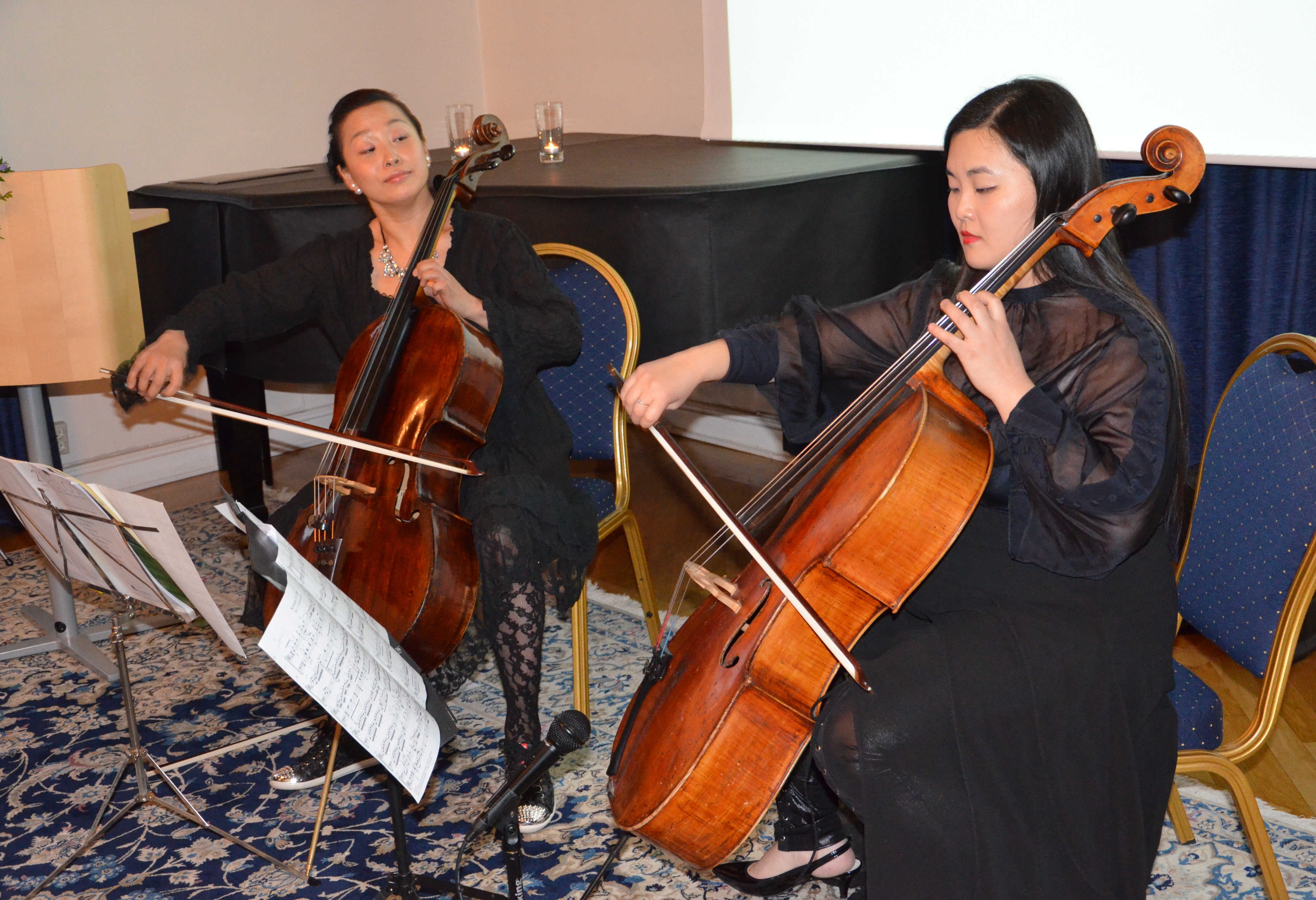
May 19, 2015 buffet dinner for a special Swedish Academy of Gastronomy group at the Korean Embassy in Stockholm. Cocktail Reception with Cooking Demonstration, in the Garden
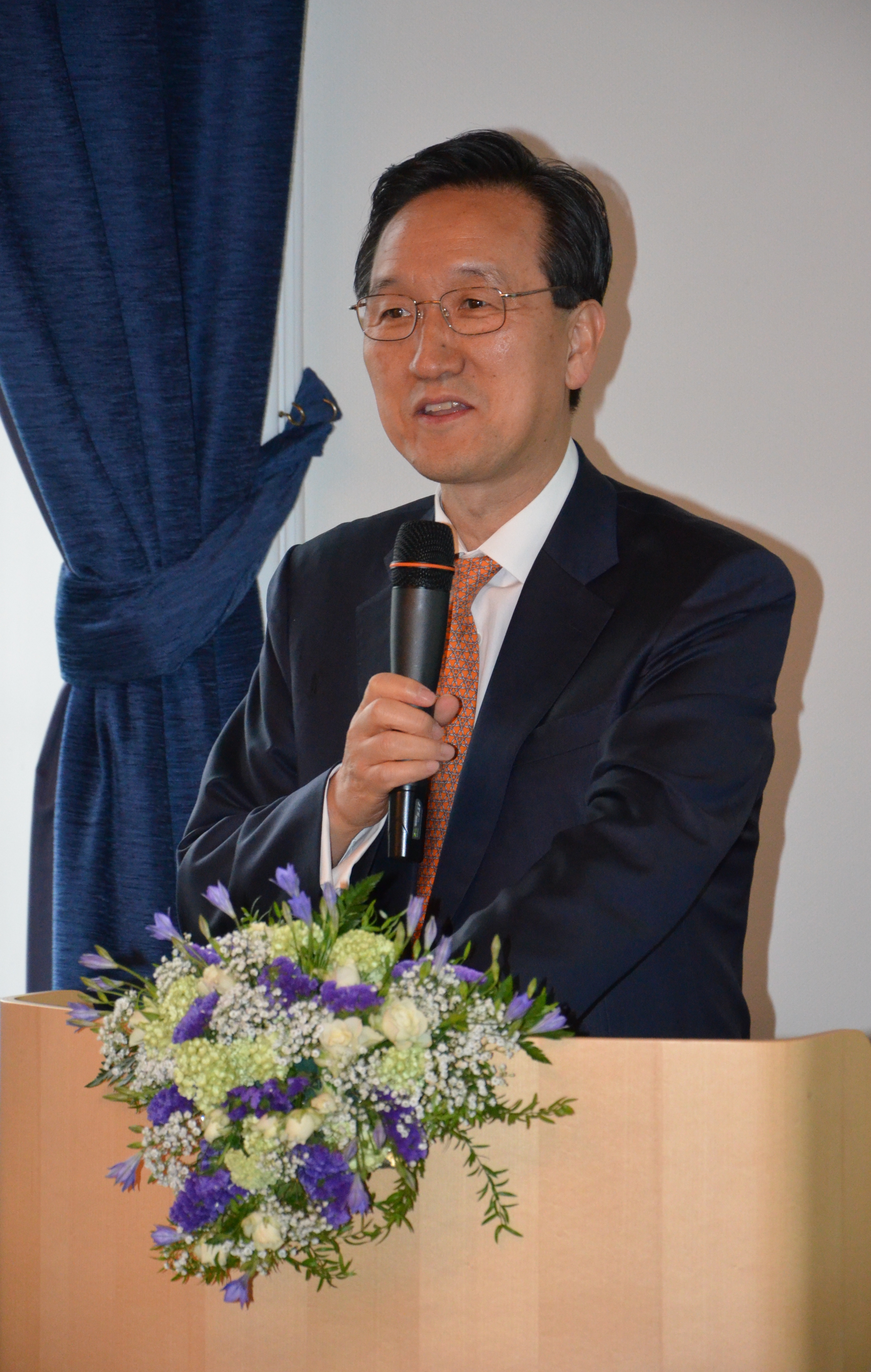
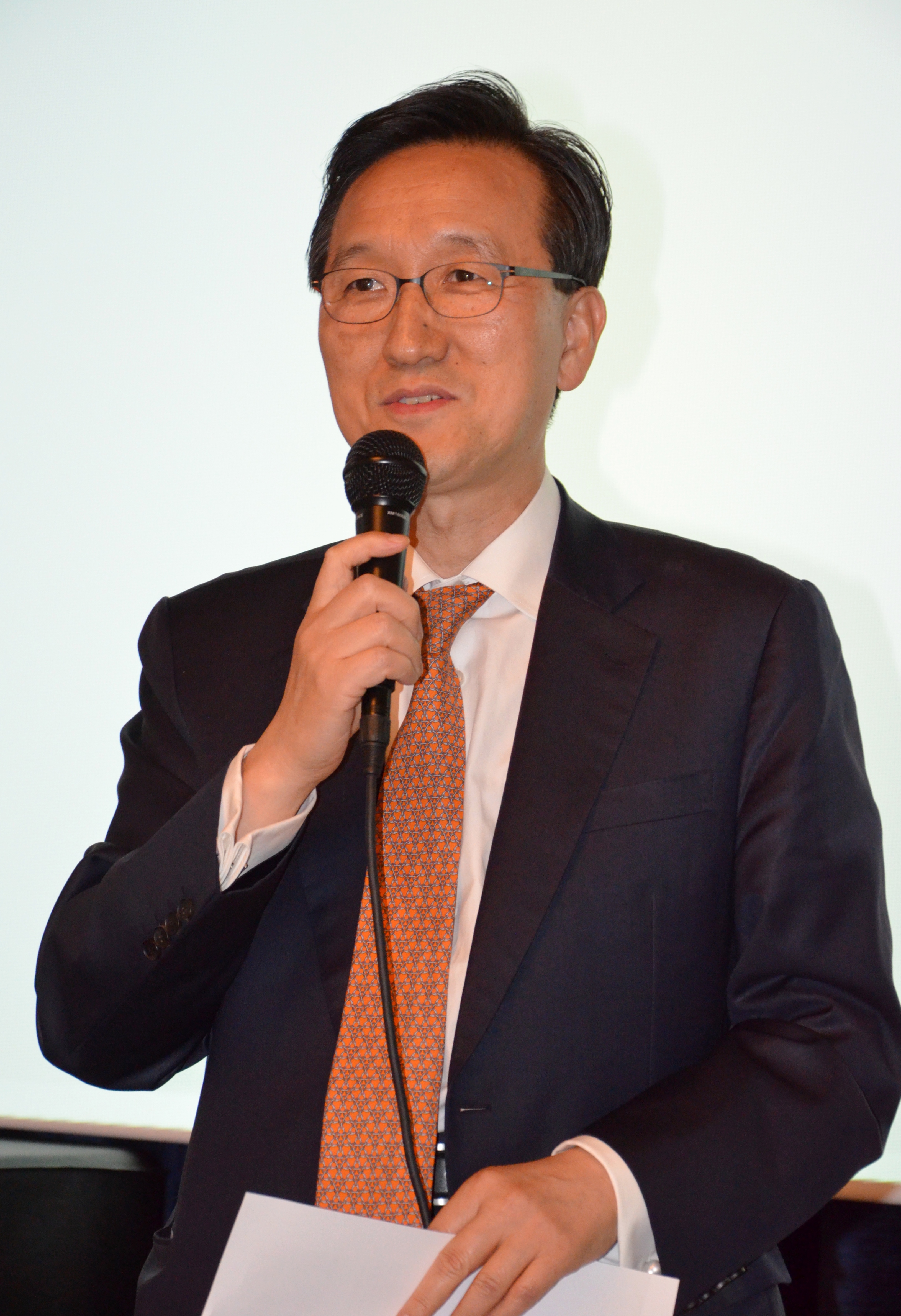
Welcoming Remarks by Son Sung-Hwan, Ambassador of the Republic of Korea
Congratulatory Remarks by Christina Möller, President of The Swedish Academy of Gastronomy
Lecture by Jens Linder, Food Journalist
Korean cuisine has evolved through centuries of social and political change. Originating from ancient agricultural and nomadic traditions in the Korean peninsula and southern Manchuria, Korean cuisine has evolved through a complex interaction of the natural environment and different cultural trends.[2][3]
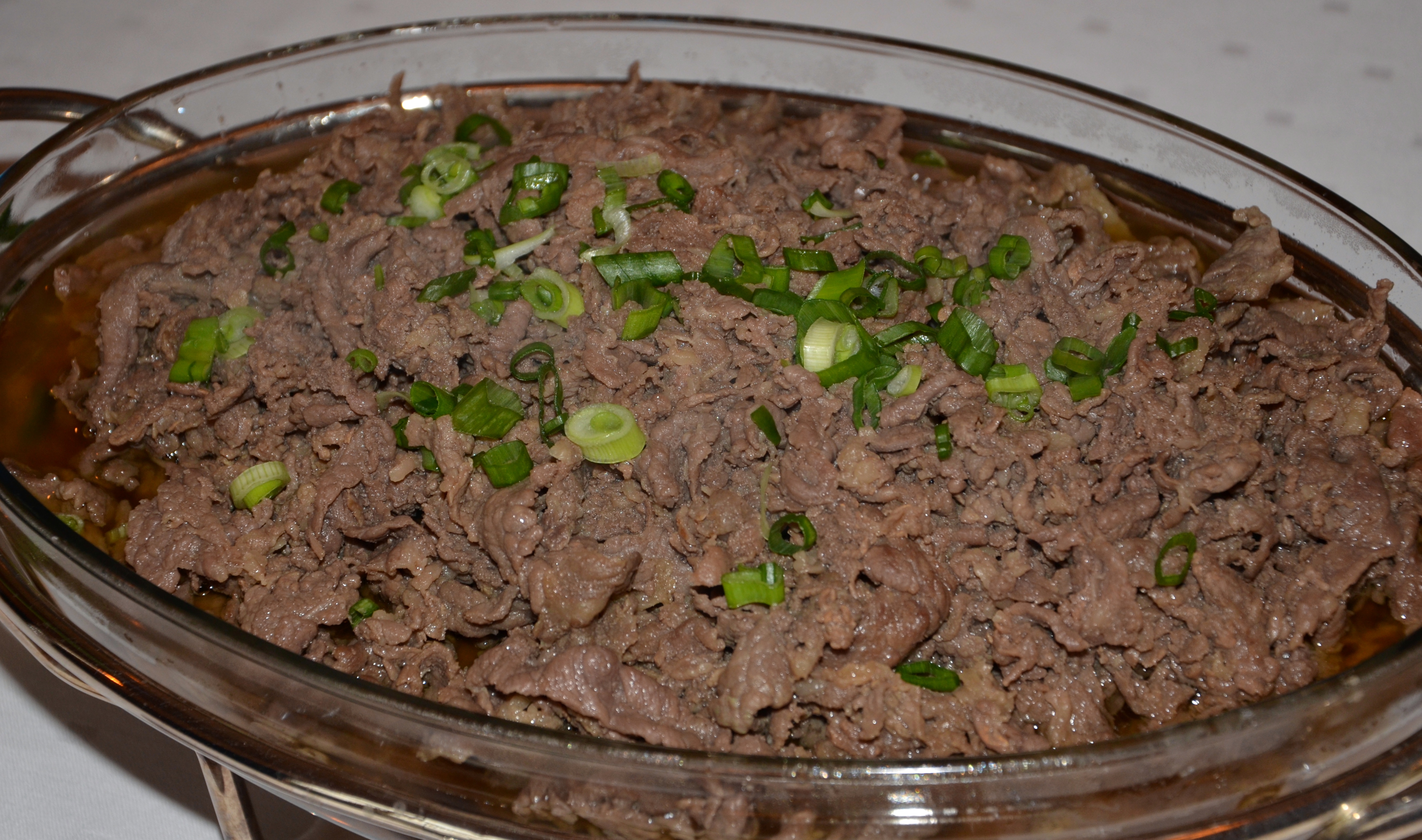
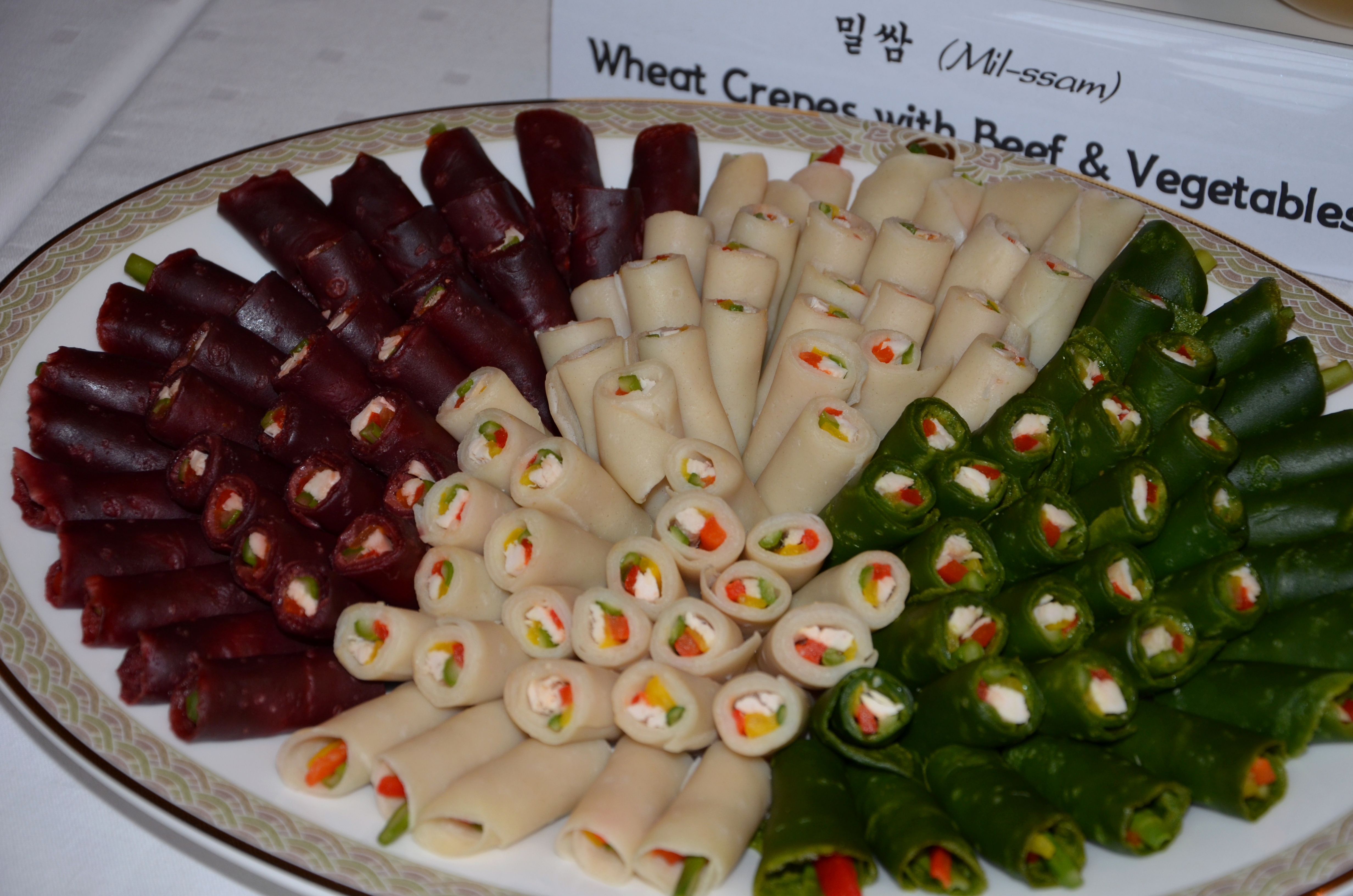
Korean cuisine is largely based upon rice, vegetables, and meats. Traditional Korean meals are noted for the number of side dishes(banchan) that accompany steam-cooked short-grain rice. Kimchi is served often, sometimes at every meal. Commonly used ingredients include sesame oil, doenjang (fermented bean paste), soy sauce, salt, garlic, ginger, pepper flakes and gochujang (fermented red chili paste).
Ingredients and dishes vary by province. Many regional dishes have become national, and dishes that were once regional have proliferated in different variations across the country. The Korean royal court cuisine once brought all of the unique regional specialties together for the royal family. Meals are regulated by Korean cultural etiquette.
Fire Heart Bitter
Earth Stomach Sweet
Metal Lung Spicy
Water Kidney Salty
Wood Liver Sour































Kategorier:Bilder, cawa media news, Events, foto, journalist, Lansering, Mat, press, Restaurant


 Cawa Media